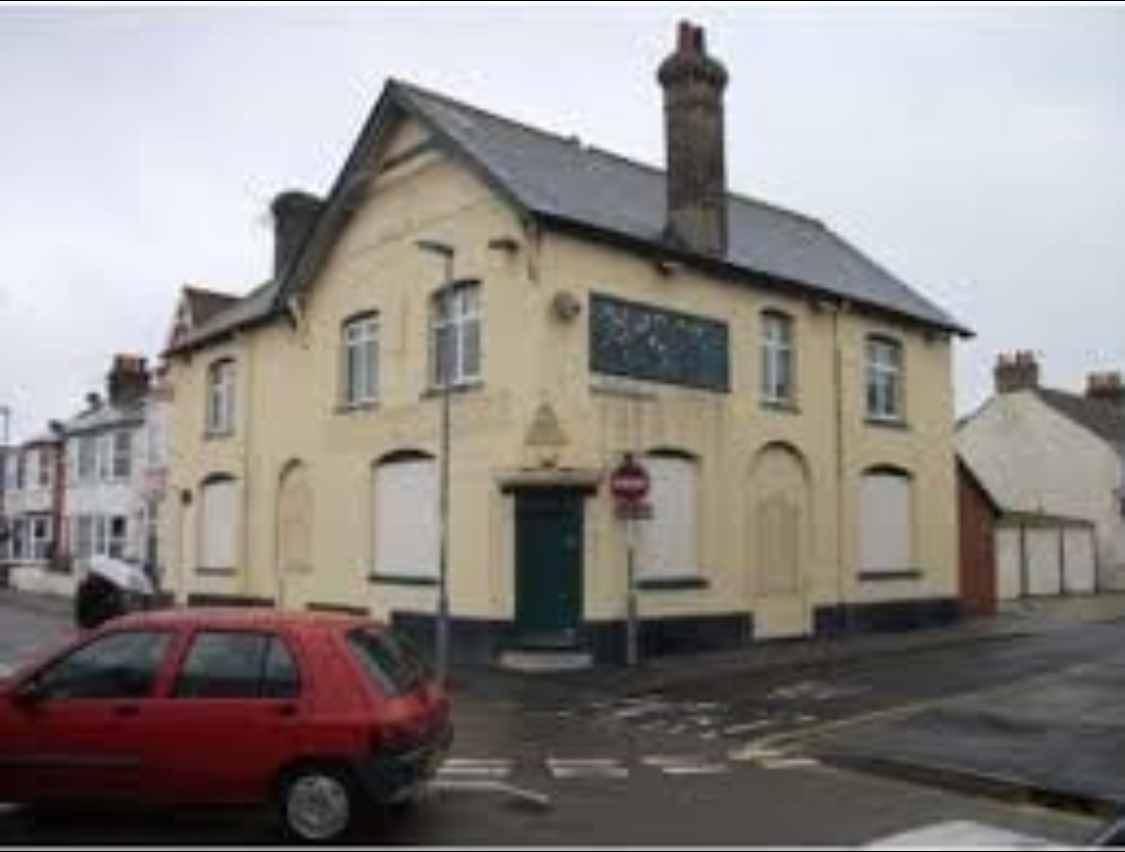
Following on from Lee Anderson’s misinformation in the House of Commons, data reveals that pubs are closing at a lower rate than when he was a Tory.
Lee Anderson wants to know why 500 pubs a year are closing under Labour. So pleased he decided not to ask them why an average of 700 pubs a year closed in the ten years before Labour came to power. 😀#PMQs pic.twitter.com/y3B0G0xWkG
— Parody Nigel Farage (@Parody_PM) January 28, 2026
A Decade Behind the Bar: Pub Closures in the UK
For centuries, the British pub has been a cornerstone of social life. It has served as a meeting place, a community hub and, in many towns and villages, the last shared space not organised around work or retail. Over the past decade, however, pubs have continued to disappear at a steady and troubling rate.
This decline has not been driven by a single shock but by a combination of long-term structural pressures, punctuated by the extraordinary impact of the Covid pandemic.
The National Picture: Pubs Lost Year by Year
At the beginning of the last decade, the UK had just over 52,000 pubs. By 2024, that number had fallen to around 46,800. The table below shows the estimated national trend.
Figures are rounded estimates based on industry, trade and licensing data. They illustrate scale and direction rather than exact counts.
Figures are rounded estimates based on trade bodies, licensing data and confirmed reporting. 2025 figures are confirmed for England and Wales, with UK totals estimated.
| Year | Estimated UK pubs | Approx. net change |
|---|---|---|
| 2014 | 52,000 | — |
| 2015 | 51,500 | −500 |
| 2016 | 51,100 | −400 |
| 2017 | 50,700 | −400 |
| 2018 | 50,200 | −500 |
| 2019 | 49,700 | −500 |
| 2020 | 49,000 | −700 |
| 2021 | 48,300 | −700 |
| 2022 | 47,600 | −700 |
| 2023 | 47,100 | −500 |
| 2024 | 46,800 | −300 |
| 2025 | ≈46,400 | −370 |
Across the decade, around 5,200 pubs have closed nationwide, averaging close to ten closures every week. While the pace varied, the direction never reversed.
Dorset: A Local Reflection of a National Trend
Dorset provides a clear example of how these national pressures play out at county level.
At the start of the 2010s, Dorset had around 335 pubs. By 2024, that number had fallen to approximately 295, a loss of around 12 per cent of the county’s pubs.
Dorset pubs: year by year
| Year | Estimated pubs in Dorset | Approx. net change |
|---|---|---|
| 2014 | 335 | — |
| 2015 | 330 | −5 |
| 2016 | 328 | −2 |
| 2017 | 325 | −3 |
| 2018 | 322 | −3 |
| 2019 | 318 | −4 |
| 2020 | 312 | −6 |
| 2021 | 307 | −5 |
| 2022 | 302 | −5 |
| 2023 | 298 | −4 |
| 2024 | 295 | −3 |
Closures in Dorset accelerated during the pandemic, particularly among rural village pubs and those reliant on winter trade. Coastal towns saw some recovery in summer seasons, but many pubs were unable to survive year-round cost pressures.
Why Pubs Are Closing
The causes of closure are cumulative.
Changing drinking habits
Alcohol consumption has declined, especially among younger adults. Drinking has shifted towards the home, supported by cheaper supermarket alcohol.
Rising operating costs
Business rates, rent, energy prices, insurance and staffing costs have risen faster than turnover. Many landlords report that even busy pubs struggle to remain profitable.
Property values and redevelopment
In towns and cities, pubs often sit on valuable land. Conversion to housing or retail frequently offers a quicker and safer return than continued operation.
The legacy of Covid
Although emergency support prevented mass collapse, many pubs reopened with debt, reduced staff and fewer regular customers. Some closed months or even years after restrictions ended.
The Impact on Communities
The closure of a pub is rarely just the loss of a business. Research consistently shows that pubs play a role in reducing isolation and loneliness, particularly among older residents.
In rural Dorset, as in many parts of the UK, the pub is often the last remaining communal space after the loss of shops, banks and post offices. Once closed and converted, that space is almost never replaced.
Economically, closures reduce local employment and weaken town centres, creating a cycle in which declining footfall makes further closures more likely.
Survival Through Adaptation
Despite the decline, not all pubs are disappearing. Some have survived by changing their role:
- Emphasising food, coffee and daytime trade
- Hosting community groups, live music and events
- Operating as mixed-use spaces
- Becoming community-owned
Several Dorset pubs have been saved through community buy-outs, demonstrating that where there is strong local attachment, pubs can still thrive.
A Fragile Future
The last decade has shown that pub closures are no longer confined to recessions or exceptional crises. They occur steadily unless policy actively supports the sector.
Britain will not lose all its pubs. But it is steadily losing the assumption that every community should have one. Each closure narrows the social life of a place, and once a pub is gone, it is almost always gone for good.