

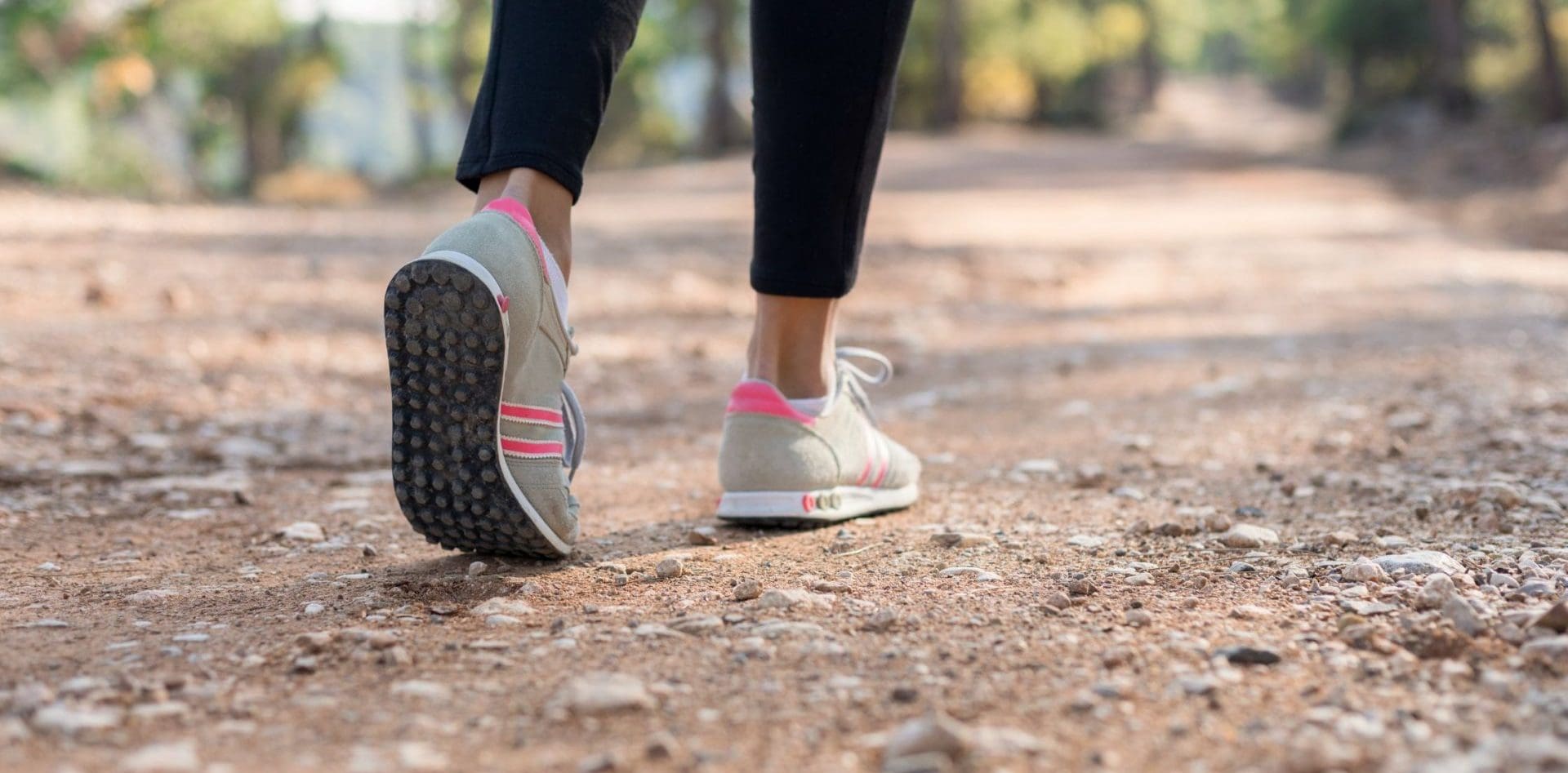
If 2025 taught us anything, it’s that the line between wellness trend and social satire is now so thin you could trip over it during a mindfulness retreat. Enter 2026’s most inevitable lifestyle phenomenon: the fart walk.
For the uninitiated, a fart walk is exactly what it sounds like. It’s a gentle stroll taken after a meal with the express purpose of aiding digestion and, crucially, letting off gas. What was once a private, shuffling wander round the kitchen or an awkward “just popping out for some air” is on the cusp of becoming a fully normalised, socially acceptable post-prandial ritual.
And honestly? It was only a matter of time.
The wellnessification of absolutely everything
Modern life has an extraordinary ability to take basic human functions and rebrand them as “intentional practices”. We no longer sleep; we practise sleep hygiene. We don’t breathe; we do breathwork. So it’s hardly surprising that farting — one of the last unmonetised frontiers of the human body — is getting its own glow-up.
Doctors have long recommended light movement after meals to reduce bloating, help digestion and manage blood sugar levels. Walking, it turns out, is good for you. Passing wind, meanwhile, is not only natural but necessary. Combine the two and you have a scientifically sound activity that simply suffers from unfortunate branding.
In 2026, that stigma will finally crack.
The post-pandemic body honesty era
We are living through an age of radical bodily honesty. From open conversations about menopause to viral videos about IBS, the days of pretending our bodies are silent, odourless machines are numbered. Fart walks fit neatly into this cultural shift: an unglamorous but authentic acknowledgement that humans are, in fact, digestive systems with opinions.
As more people prioritise gut health — probiotics, fermented foods, fibre supplements — the knock-on effect is, quite literally, more gas. Rather than suffering in silence on the sofa, the fart walk offers a dignified exit strategy.
“Just off for a walk” now carries a quiet subtext, and everyone is polite enough not to ask follow-up questions.
Urban life makes them inevitable
In dense cities, where small flats and thinner walls offer little privacy, fart walks are simply practical. A brisk wander round the block beats subjecting loved ones to an involuntary sound-and-smell installation piece. Councils may never officially endorse them, but local parks, towpaths and residential loops are already serving as unofficial decompression zones — in every sense.
Expect to see unspoken etiquette develop: looser spacing between walkers, strategic coughing, and the universal understanding that eye contact is optional.
From embarrassment to empowerment
What will truly cement fart walks as normal in 2026 is their rebranding as self-care. Influencers will talk earnestly about “post-meal mobility”. Wellness apps will suggest a “10-minute digestive stroll”. Someone, somewhere, will try to call it a gas release journey, and we will collectively ignore them.
But beneath the jokes is a genuine shift: choosing comfort over embarrassment, health over decorum. There is something quietly liberating about admitting you’re human, slightly bloated, and doing something about it.
The future smells… honest
By the end of 2026, fart walks won’t be something people snigger about — they’ll just be another part of daily life, like stretching or taking the bins out. No slogans. No merch (hopefully). Just people, walking it off, one step and one small release at a time.
And if nothing else, they offer a rare kind of social progress: a world where everyone understands why you’ve gone for a walk after dinner — and is kind enough not to mention it.







