The dismissal of long-serving Arsenal kit manager and Arsenal F.C. employee Mark Bonnick has ignited a heated debate about free speech, social media conduct, and the boundaries between political expression and professional responsibility.
At the heart of the controversy is a simple but highly charged question: Was Bonnick dismissed merely for criticising Israel, or did his employer act within its rights under established workplace policies?
A Long-Serving Backroom Figure
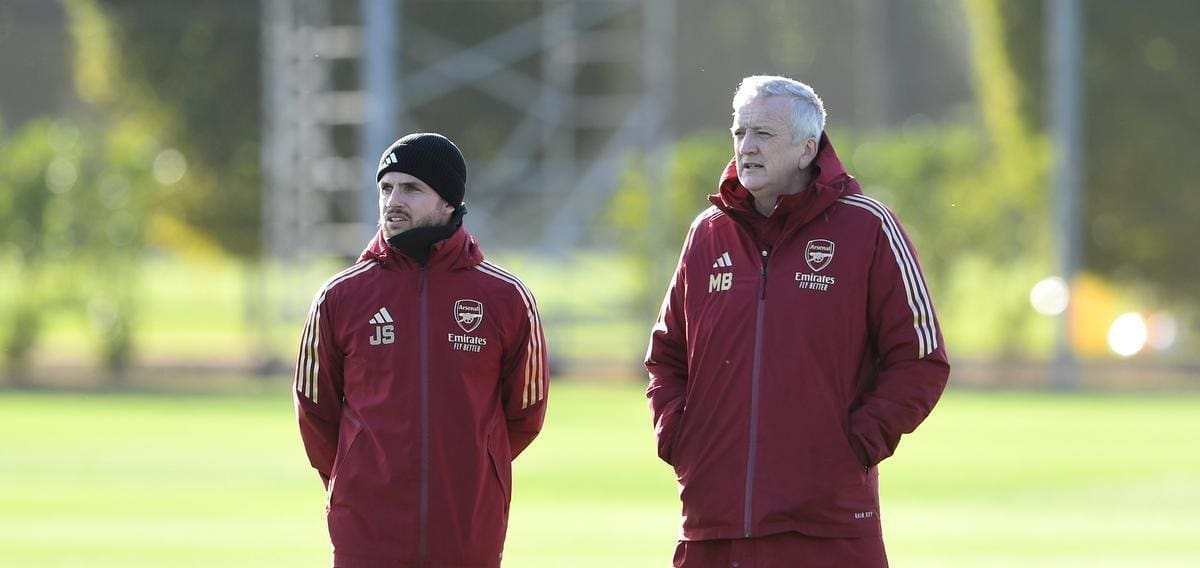
Mark Bonnick was not a high-profile player or executive, but within Arsenal he was a familiar and respected presence. Having worked at the club for more than two decades, he served as a kit manager, responsible for overseeing the preparation and management of team equipment, a role often described as vital but largely unseen by supporters.
By all accounts, Bonnick had built a lengthy career at the North London club without major incident. That changed in late 2024 when historical social media posts concerning the Israel-Gaza conflict were brought to the club’s attention.
The Posts That Triggered Action
In December 2024, Arsenal suspended Bonnick following scrutiny of his online comments about Israel and Gaza. The posts, which were shared on social media, expressed strong criticism of the Israeli government’s actions in Gaza. According to reports, Arsenal determined that the content could be perceived as inflammatory or offensive and potentially in breach of its internal policies governing staff conduct.
The club’s social media policy reportedly requires employees to avoid bringing the club into disrepute. Arsenal’s position, as reflected in reporting on the case, was that Bonnick’s posts risked damaging the club’s reputation and undermining its commitment to inclusivity and respect.
Crucially, Arsenal did not publicly frame the dismissal as being solely about “criticising Israel.” Instead, the emphasis appeared to be on the tone and nature of the posts and whether they breached employment standards.
After an internal process, Bonnick’s employment was terminated.
Bonnick’s Response: Denial and Legal Action
#England – Arsenal’s kit man Mark Bonnick, who was dismissed for criticizing Israel:
— Antifa_Ultras (@ultras_antifaa) February 16, 2026
❝Whenever we speak about Zionist Israel’s illegal occupation and apartheid regime, we are silenced.
Guardiola’s speech was great. Maybe one drop can lead to a torrent.❞ pic.twitter.com/m95Uf0sc6G
Bonnick has strongly denied that his posts were antisemitic. He has maintained that his comments were rooted in political opposition to the policies of the Israeli government rather than hostility toward Jewish people. He argues that his views fall within the realm of legitimate political expression.
In response to his dismissal, Bonnick has launched legal action against Arsenal in the UK, alleging unfair or discriminatory dismissal. Central to his case is the argument that his “philosophical anti-Zionist belief” constitutes a protected characteristic under UK equality law.
Under the Equality Act 2010, certain philosophical beliefs can receive legal protection if they meet specific criteria, including being genuinely held, relating to a weighty and substantial aspect of human life, and being worthy of respect in a democratic society. Bonnick’s legal claim is expected to test whether anti-Zionism, as he defines it, meets that threshold.
He is reportedly seeking compensation and reinstatement and has publicly criticised Arsenal’s handling of the matter, calling for an apology from the club.
Arsenal’s Position
Arsenal has not publicly engaged in a detailed media battle over the case, likely mindful of the ongoing legal proceedings. However, reporting suggests the club’s stance is grounded in internal policy enforcement rather than political censorship.
Large employers, particularly global brands such as Arsenal, routinely maintain social media policies designed to protect corporate reputation. These policies often extend to employees’ personal accounts where posts could reasonably be linked to the employer.
For football clubs operating on a global stage, reputational considerations are particularly acute. Arsenal has a large international fanbase, including significant support in the Middle East and Israel. Any perception of political alignment or hostility carries commercial and community implications.
From the club’s perspective, the issue appears to have been whether the content, regardless of political context, crossed a line into language that could be viewed as inflammatory, divisive, or discriminatory.
The Wider Context: Football and Politics
Football has increasingly become intertwined with political and social debates. From players taking the knee in anti-racism protests to clubs issuing statements on global events, the sport no longer operates in a purely apolitical vacuum.
However, the Bonnick case highlights the tension between individual expression and institutional neutrality. While players and clubs have publicly supported causes such as anti-racism campaigns, LGBTQ+ inclusion, and humanitarian appeals, political speech relating to international conflicts remains more contentious.
Employers face the difficult task of balancing:
- Freedom of expression
- Protection of employees from discrimination
- Corporate reputation
- Fan and sponsor sensitivities
The Israel-Gaza conflict is particularly sensitive, given its deep historical roots and global implications. Employers are often cautious about appearing to endorse any position that could alienate sections of their audience.
Was He Fired “For Criticising Israel”?
The simplified claim that Bonnick was dismissed merely for criticising Israel does not capture the full complexity of the situation.
Based on available reporting:
- He was dismissed following social media posts about Israel and Gaza.
- Arsenal judged the posts to potentially breach internal conduct policies.
- The club framed the issue in terms of reputational and policy concerns rather than explicitly stating he was fired for holding a political belief.
- Bonnick disputes this characterisation and argues his dismissal amounts to discrimination based on protected belief.
The precise legal framing and whether the dismissal was fair under UK employment law will ultimately be determined by an employment tribunal if the case proceeds to full hearing.
The Legal Questions Ahead
Employment tribunals in the UK have previously examined cases involving political beliefs. Courts assess whether the belief in question meets established legal criteria and whether the employer’s response was proportionate.
If Bonnick succeeds in establishing anti-Zionism as a protected philosophical belief in his case, it could have broader implications for how employers handle political expression.
However, even protected beliefs do not grant unlimited freedom to express them in ways that breach workplace policies. Employers are permitted to act where expression crosses into harassment, discrimination, or reputational damage — provided their response is proportionate and consistent.
The tribunal would likely examine:
- The exact wording and tone of the posts
- Whether they could reasonably be perceived as antisemitic
- Whether Arsenal applied its policies consistently
- Whether dismissal was a proportionate response
A Case Reflecting Wider Tensions
The controversy surrounding Mark Bonnick reflects broader societal tensions. Social media has blurred the boundaries between personal opinion and professional identity. Employees are increasingly visible online, and employers are increasingly sensitive to reputational risk.
At the same time, debates about Israel and Palestine remain deeply polarising. Accusations of antisemitism, Islamophobia, or political suppression frequently arise in discussions of the conflict.
For some observers, Bonnick’s dismissal represents corporate overreach and a chilling effect on political speech. For others, it underscores the responsibility employees have to avoid inflammatory rhetoric, particularly when associated with high-profile organisations.
Awaiting a Legal Verdict
Until the legal proceedings conclude, definitive claims about motive remain contested. What is clear is that Bonnick’s dismissal did not occur in a vacuum; it followed internal review of social media activity and was framed by Arsenal as a breach of policy rather than a punishment for holding a political opinion.
Whether that distinction holds up in law will be decided in court.
In the meantime, the case stands as a reminder that in modern professional life, especially within globally recognised institutions such as Arsenal, personal expression and professional consequences are often tightly intertwined.
The outcome could help clarify where UK employment law draws the line between protected belief and conduct deemed incompatible with an employer’s standards.
Until then, the debate continues, not only about one man’s dismissal but also about the evolving boundaries of free speech in the workplace.