The Bob Vylan Cancellation: How a Digital Mob Enforced a Punishment for a Crime That Didn’t Happen
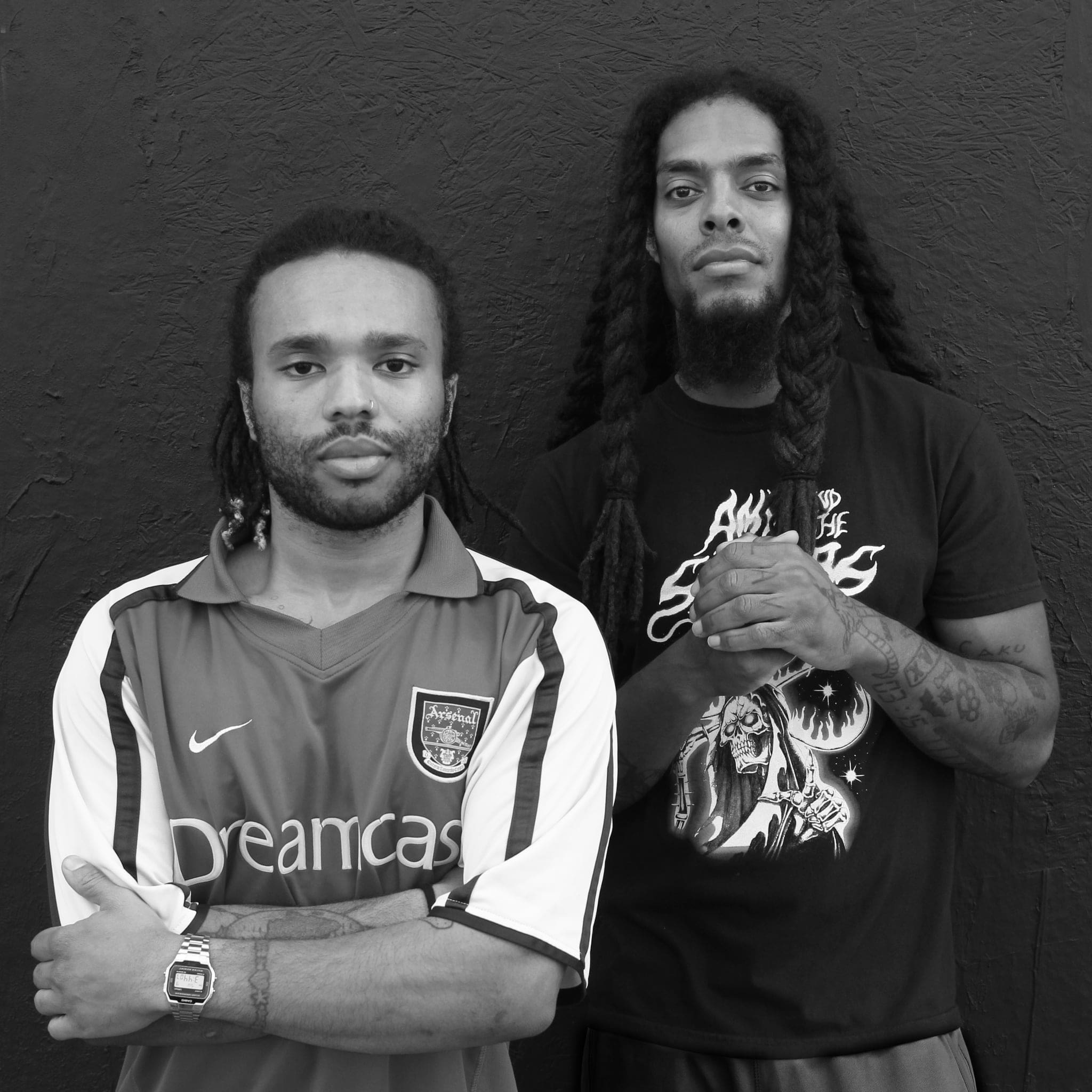
In the modern social media landscape, the truth is often the first casualty. The speed at which a narrative can be constructed, weaponised, and acted upon has created a dangerous new form of digital justice, where accusation frequently outweighs evidence. The recent cancellation of punk rap duo Bob Vylan’s gig in the Netherlands is a textbook case of this phenomenon: an artist being publicly punished not for what he did, but for what a viral mob claimed he did.
The incident began with a clip from the band’s performance in Amsterdam. Following the death of commentator Charlie Kirk, who was fatally shot while speaking at a university event, frontman Bobby Vylan addressed the event from the stage. The clip that spread online was presented with a specific, inflammatory narrative: that Bob Vylan was celebrating Kirk’s death.
The reaction was swift and severe. The outrage machine kicked into high gear, drawing condemnation from high-profile figures like Rudy Giuliani and creating enough pressure that the band’s next scheduled venue, the 013 in Tilburg, felt compelled to act. The gig was cancelled.
There’s just one problem: according to the artist himself, the central claim of the narrative is false.
In a video response, Bobby Vylan was unequivocal: “At no point during yesterday’s show was Charlie Kirk’s death celebrated. I did call him a piece of s*. That much is true. But at no point was his death celebrated.”** He directly challenged his accusers to find a quote proving otherwise, a challenge that remains largely unmet by evidence, though not by opinion.
This is the crux of the issue. Bob Vylan is not being cancelled for his actual, verifiable actions—which involved harsh criticism of a deceased individual—but for the imagined crime of celebration, a more heinous act that was effectively manufactured and amplified through social media.
The venue’s statement is telling. They admitted they were initially willing to host the band despite the controversy from their Glastonbury performance, understanding the context of “punk and activism” and the lack of nuance in reporting. However, they stated that these “new statements” (the ones Bobby Vylan insists he never made) “go too far” and “no longer fall within the scope of what we can offer a platform.”
This suggests the cancellation was a direct response to the perceived celebration of death, not the criticism. When the foundation of that perception is shaky, the punishment becomes unmoored from reality. The venue, fearing the backlash of a digital mob, acted on the narrative rather than the facts, effectively becoming an enforcer of a distorted truth.
This episode is a microcosm of a much larger crisis for free speech and intellectual honesty. Social media does not merely report on events; it actively constructs them. A short, out-of-context clip, paired with a provocative caption, is enough to create a definitive reality for millions. This reality then generates real-world consequences: lost income, cancelled contracts, and silenced voices.
The ability to engage in provocative, offensive, and challenging speech—a cornerstone of punk rock and political dissent—is being strangled not by state censorship, but by a crowd-sourced outrage culture that demands immediate capitulation. The nuance that the 013 venue mentioned is exactly what gets stripped away in the frantic retweet cycle. There is no room for “he criticised but did not celebrate”; the algorithm favours the simplest, most emotionally charged version of events.
The result is a chilling effect. Artists, writers, and commentators will increasingly self-censor, not because they are afraid of debate, but because they are afraid of a digital jury that has already decided its verdict based on a case it invented itself. The Bob Vylan case is not about whether you agree with their politics or find their comments distasteful. It is about whether we, as a society, will allow punishment to be meted out based on manufactured narratives, killing free speech not with a bang, but with a thousand viral lies.