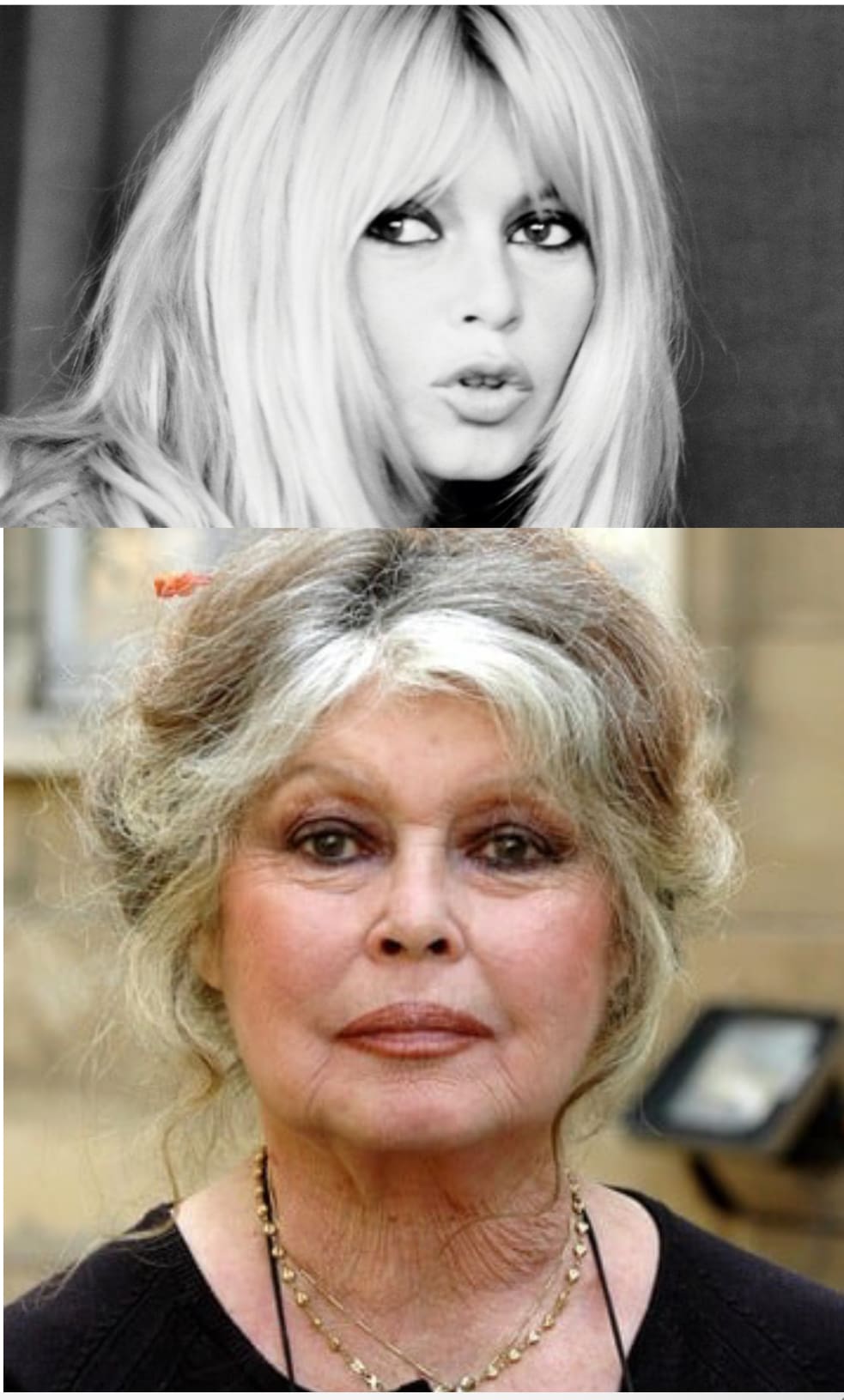
Brigitte Bardot remains one of the most recognisable figures of 20th-century cinema: an actor whose image came to symbolise post-war freedom, sexual autonomy and a rupture with conservative morality, yet whose later years have been marked by repeated controversy and public censure.
Born in Paris in 1934, Bardot rose to international fame in the 1950s, most notably through And God Created Woman (1956), a film that scandalised audiences and transformed her into a global icon. With her dishevelled hair, direct gaze and unapologetic sensuality, she represented a new kind of female presence on screen—less demure, less apologetic, and far less constrained by male expectation. In doing so, she influenced fashion, cinema and attitudes toward women in ways that continue to reverberate.
Her career flourished during the French New Wave era, even though she never fully aligned herself with its intellectual pretensions. Bardot appeared in more than 40 films, worked with directors such as Jean-Luc Godard, and became a symbol of French soft power abroad. By the age of 39, however, she abruptly withdrew from acting, citing exhaustion, invasive press attention and profound personal unhappiness.
In later life, Bardot reinvented herself as a passionate animal rights campaigner. Her foundation, established in 1986, has been influential in drawing attention to animal cruelty, factory farming and seal hunting. For supporters, this work represents her most meaningful contribution—an example of moral seriousness replacing celebrity frivolity.
Yet Bardot’s legacy has become deeply complicated by her own words and actions. In the decades following her retirement, she has been repeatedly criticised for making homophobic slurs and for statements targeting Muslims, immigrants and ethnic minorities. French courts have fined her multiple times for inciting racial hatred, particularly in connection with open letters and media interviews in which she framed immigration and Islam in inflammatory and dehumanising terms.
These remarks have placed Bardot firmly at odds with the progressive ideals many once associated with her youthful rebellion. Critics argue that her rhetoric has fed far-right narratives and legitimised intolerance under the guise of free expression. Defenders, meanwhile, have attempted—often unconvincingly—to separate her animal rights activism from her political views or to excuse her comments as those of an ageing provocateur resistant to social change.
Brigitte Bardot’s life, taken as a whole, resists easy summary. She helped liberate female representation on screen while later embracing views that many see as regressive and harmful. She rejected fame yet continued to wield it. She inspired generations while alienating many who once admired her.
Her story is a reminder that cultural icons are not moral monoliths and that influence does not guarantee wisdom. Bardot remains a figure of contradiction: a woman who reshaped modern celebrity—and then, through her own choices, fractured the legacy she created.