All those working- and middle-class people who voted for Trump, and then six months in, he did this. He actually did this.
Why did so many see this coming, and yet so many did not? That is where the real analysis is required.
Donald Trump’s Tax Breaks: A Blow to the Working and Middle Classes
Since Donald Trump’s rise to political prominence, tax reform has been a central pillar of his economic agenda. Promoted as a boon for all Americans, Trump’s tax breaks—particularly those introduced through the 2017 Tax Cuts and Jobs Act—were touted as mechanisms to stimulate economic growth, create jobs, and raise wages. However, a deeper examination reveals that his tax policies disproportionately favour the wealthy and large corporations, leaving the working and middle classes behind. The long-term implications for economic inequality and fiscal stability could be severe.
Disproportionate Benefits for the Wealthy
At the heart of Trump’s tax legislation was a significant reduction in the corporate tax rate—from 35% to 21%—alongside tax cuts for the highest earners. While these changes delivered considerable gains to the richest Americans and multinational corporations, the benefits to average households were modest and largely temporary.
According to independent analyses, the top 1% of earners received a far greater percentage of the total tax savings than the bottom 60%. Many of the individual tax cuts for middle- and lower-income earners are set to expire, whereas the corporate tax reductions are permanent. This means that over time, the relative tax burden will shift increasingly onto workers and small business owners.
Widening Income Inequality
Trump’s tax policy has accelerated the concentration of wealth among the richest segments of society. By lowering capital gains taxes and providing more opportunities for tax avoidance through loopholes and offshore havens, the reforms enabled the wealthy to further shield their income from taxation.
This growing disparity not only deepens social divisions but also undermines the economic mobility of working families. In a healthy economy, widespread prosperity supports consumer demand, drives productivity, and fosters innovation. When wealth is concentrated in the hands of a few, overall demand is suppressed, because the rich tend to save more of their income rather than spend it.
Increased National Debt and Reduced Public Investment
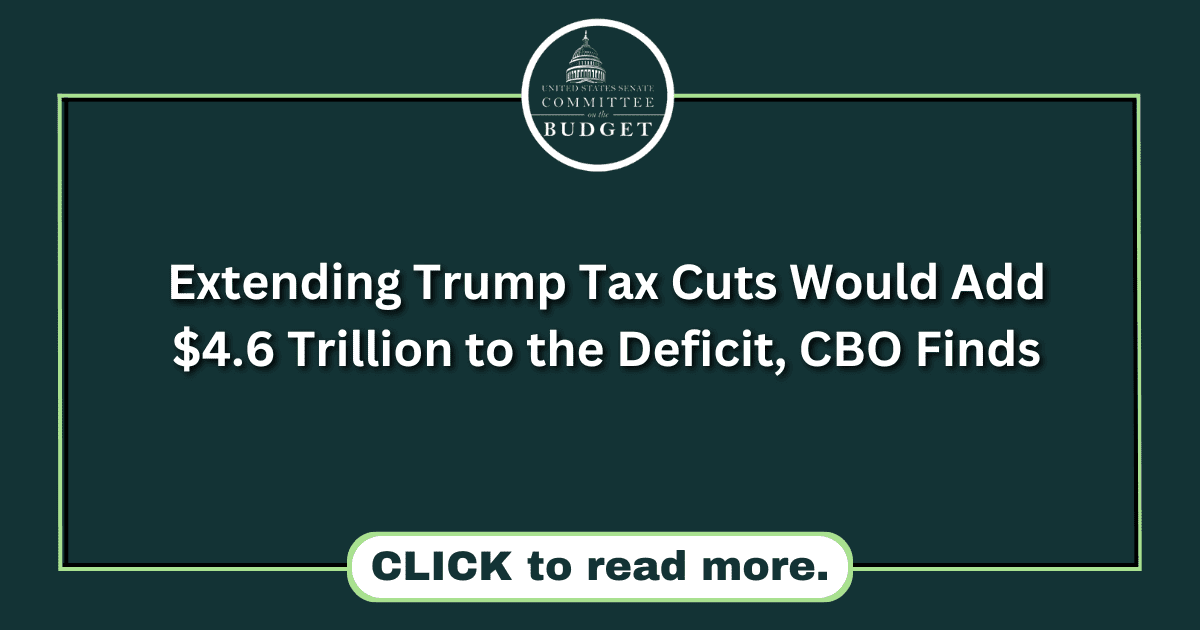
A less visible but equally damaging effect of Trump’s tax breaks is their contribution to the ballooning national deficit. The cuts have led to a significant reduction in federal revenue, with little evidence of offsetting economic growth. The U.S. national debt surged by trillions of dollars during Trump’s presidency, partly fuelled by these tax changes.
To balance the books, future governments may be forced to cut essential services such as healthcare, education, and infrastructure—services that disproportionately benefit working- and middle-class Americans. Alternatively, taxes may eventually have to be raised on those least able to afford it.
Trickle-Down Economics: A Flawed Premise
Trump’s economic vision rests heavily on the idea of “trickle-down economics”—the notion that benefits for the wealthy and big businesses will eventually trickle down to everyone else through job creation and wage growth. However, historical evidence overwhelmingly shows that this approach rarely delivers as promised.
Following the 2017 tax cuts and the predictions for the 2025 tax cuts, corporate profits soared, and stock buybacks reached record levels, but wage growth remained stagnant for most workers. Rather than investing in employee wages or expanding operations, many corporations used their windfalls to reward shareholders and executives.
A Costly Experiment for Ordinary Americans
While Trump’s tax breaks were marketed as a solution to economic stagnation, their real-world effects have primarily enriched the wealthy while undermining the financial security of the working and middle classes. By exacerbating inequality, increasing debt, and starving public services of funding, these policies represent a regressive shift in economic strategy.
For a truly inclusive economy, tax policy must be designed to uplift the majority, not just the elite few. In that regard, Trump’s tax reforms have failed and the consequences will be felt for generations to come.