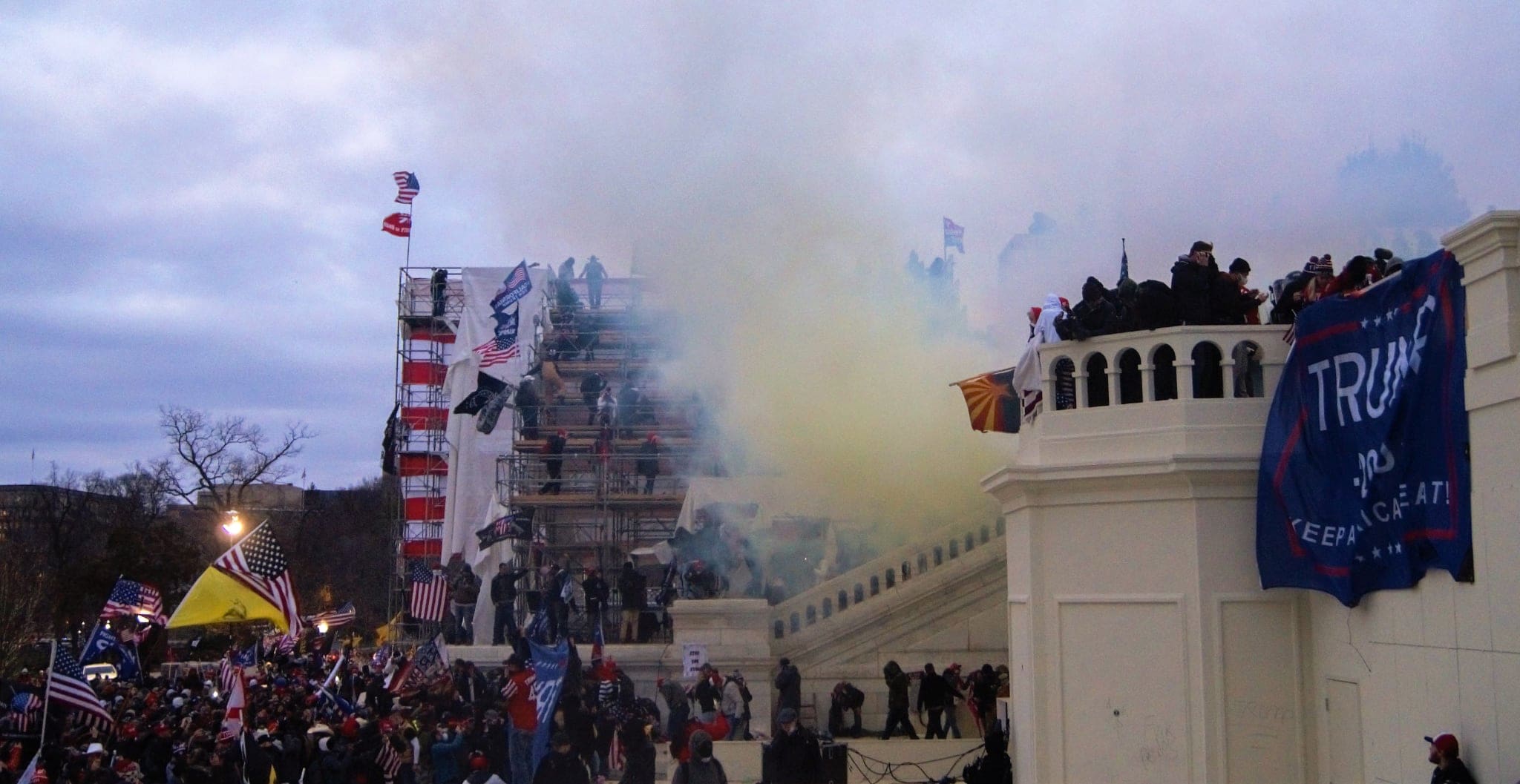
The BBC upper echelons may have decided to throw a couple to the wolves for a ‘doctored video’ by an independent production company, but any person who studies the facts knows that the BBC attempting to pacify a renowned criminal and a perpetual moral and financial bankrupt is merely for show. Trump’s complicity in the Capitol riots on January 6 in Washington, DC, is beyond doubt. Whether it meets legal thresholds is, of course, another matter entirely.
The 6th of January, 2021, remains a scar on American democracy. As a joint session of Congress met to certify Joe Biden’s presidential victory, a violent mob stormed the Capitol building. The ensuing chaos resulted in five deaths, numerous injuries, and a profound shock to the nation’s political conscience. In the years since, one question has dominated the aftermath: was the then-President, Donald Trump, complicit in the attack?
The Build-Up: A Litany of “Stolen Election” Claims
For months prior to 6th January, Donald Trump had relentlessly promoted the false claim that the 2020 election was “stolen” through widespread fraud. Despite dozens of court cases and audits failing to substantiate these allegations, he continued to stoke public anger. Crucially, he focused attention on 6th January as a pivotal date, tweeting to his supporters: “Be there, will be wild!”
This rhetoric set the stage. For many in the crowd that descended on Washington D.C., the day was not a spontaneous protest but a final stand to “stop the steal,” called for by the president himself.
The Day of the Riot: Rhetoric and Inaction
On the morning of the 6th, at a “Save America” rally near the White House, Donald Trump delivered a fiery speech. He told his supporters to “fight like hell” and that they would have to “show strength” to take back the country. He then instructed them to march to the Capitol, saying, “I’ll be there with you.” He was not.
As the mob breached the Capitol, overwhelming police and sending lawmakers fleeing for safety, the world watched for a forceful response from the president. It was notably absent.
For over three hours, as the violence unfolded live on television, Mr Trump was largely passive. His initial tweets and a video message were ambiguous; he told the rioters “we love you, you’re very special” while also asking them to go home. During this critical period, he reportedly resisted pleas from aides, family members, and Republican allies to issue a clear, unequivocal condemnation and to call in the National Guard. This delay has been widely interpreted by his critics as tacit approval, or at the very least, a profound dereliction of his duty to ensure the faithful execution of the law.
The Case for Complicity
The argument for Trump’s complicity rests on several pillars:
- Incitement: His months of false claims created the tinder, and his speech on the 6th provided the spark. The phrase “fight like hell” is seen not as mere political metaphor, but as a direct incitement to a crowd he knew was armed and angry.
- Condoning the Violence: His initial refusal to forcefully condemn the mob and his words of affection (“we love you”) are viewed as endorsing their actions.
- Dereliction of Duty: As President and Commander-in-Chief, his failure to act swiftly to protect the Capitol and the people inside is seen as a deliberate abdication of responsibility, allowing the crisis to prolong.
The findings of the U.S. House of Representatives Select Committee on the January 6 Attack heavily support this view. Their extensive investigation concluded that Mr Trump was at the centre of a “multi-part conspiracy” to overturn the election and failed to act to stop his supporters from assaulting the Capitol. The committee made a historic referral to the Department of Justice, recommending criminal charges against the former president for, amongst other things, inciting an insurrection and obstructing an official proceeding.
The Case Against Complicity
Mr Trump and his defenders reject these accusations entirely. They argue:
- His rhetoric to “fight like hell” was standard political speech about fighting for election integrity, not a literal call for violence.
- He did eventually tweet a call for peace and later released a video telling supporters to go home, albeit after a significant delay.
- They place the blame for the security failure squarely on the Capitol Police and intelligence agencies for being unprepared.
Ultimately, they frame the entire narrative of complicity as a politically motivated witch-hunt designed to derail his future political ambitions.
In conclusion, while Donald Trump was acquitted by the Senate in his subsequent impeachment trial and awaits trial on federal charges related to the events, the court of public opinion remains deeply divided.
The evidence, however, paints a damning picture. It suggests a president who, through his words and actions, cultivated a movement, directed its anger towards a specific target on a specific day, and then stood by as it turned to violence. Whether this meets the strict legal definition of incitement or conspiracy is for the courts to decide. But in the court of historical and political judgement, a strong case can be made that Donald Trump was, at the very least, morally and politically complicit in the storming of the Capitol—an event that shook the very foundations of the American republic.