Public urged to help highlight issues facing many beloved breeds
As Crufts 2026 prepares to open at Birmingham’s NEC, the RSPCA is urging dog lovers to look beyond the glamour of the show ring this year – and consider the health challenges linked to some exaggerated physical features.
Crufts celebrates some of the UK’s best-known pedigree dogs – many of whom were originally bred for working roles such as herding, guarding or retrieving.
Dogs in the show ring are judged against breed standards, with awards going to those who most closely match specific physical characteristics set by breed societies.
These standards aim to define a so-called “ideal” look for each breed, but the RSPCA is warning some of these traits can impair a dog’s welfare impacting their ability to breathe, move comfortably or behave normally. RSPCA welfare experts fear “too many” remain unaware of the significant welfare challenges many dog breeds can face, and is urging animal lovers to help spread this message throughout the Crufts show in the coming days,
Breeding to emphasise certain features considered eye-catching to humans has also reduced the variety in the gene pool in many breeds, increasing the likelihood of health conditions being passed down through generations.
Instead of celebrating potentially dangerous exaggerated features in dogs, the RSPCA is urging dog lovers to instead prioritise welfare, temperament and suitability for an owners’ lifestyle over appearance whenever considering a pet.
Ashleigh Brown, RSPCA Scientific and Policy Manager for Companion Animals, said: “We share the love people across the country have for dogs and the desire to celebrate them and we recognise the international platform that Crufts provides, highlighting the bond between dogs and humans.
“But we cannot celebrate dogs being deliberately bred with exaggerated physical features that can cause them discomfort, pain and even suffering.
“Too many people remain unaware of the significant welfare challenges linked to many of these breeds, so now – as Crufts begin – is an important time for animal lovers to help us raise awareness of this – particularly for prospective dog owners thinking of adding a pet to the family.”
The reality of many traits
Physical traits or behaviours that may seem cute or distinctive but can be linked to significant health problems include:
Flat faces
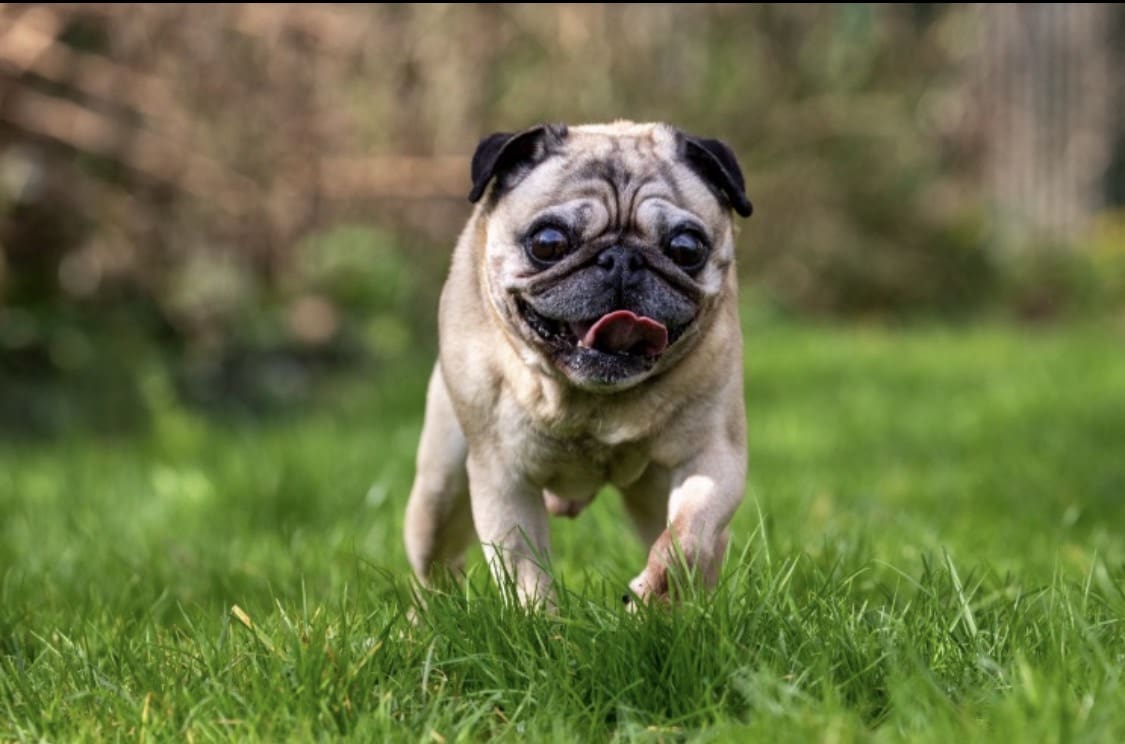
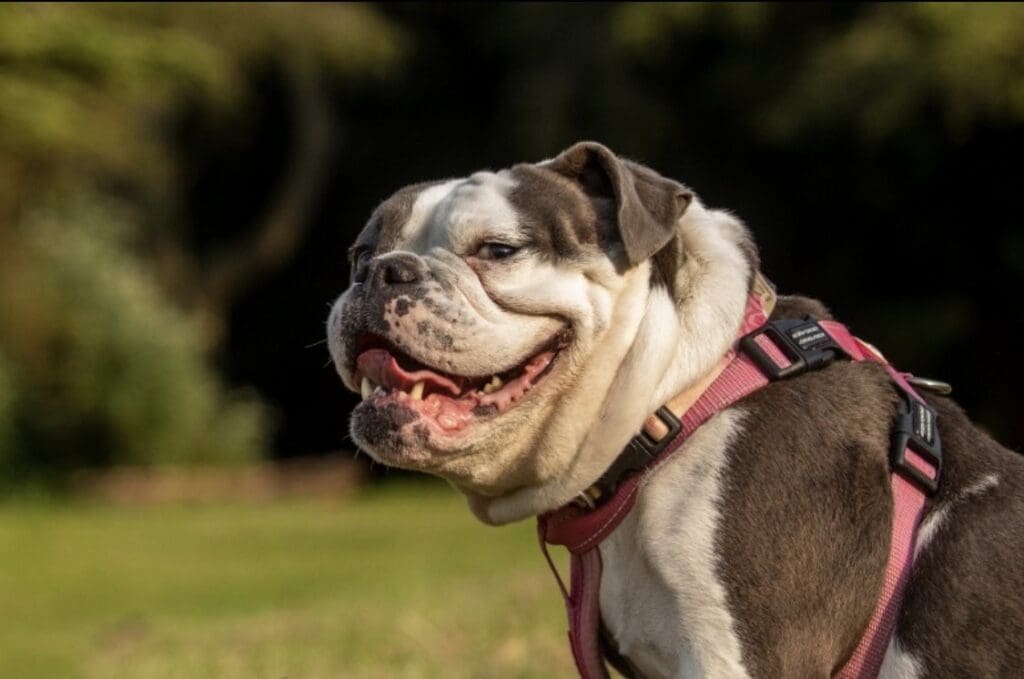
Dogs with shortened muzzles – known as brachycephalic breeds, such as pugs, French bulldogs and English bulldogs – often have narrowed nostrils and obstructed airways. This can lead to chronic breathing difficulties, problems keeping cool, disrupted sleep, and difficulty exercising or playing. Impacted breeds can also struggle to communicate with other dogs, potentially leading to aggressive behaviours. A large number of other breeds can be affected, to varying degrees, including the bullmastiff, Cavalier King Charles spaniel, Chihuahua and Pekingese, among others.
Long backs and short legs
Breeding for disproportionately short legs along with overly long backs, such as in dachshunds, basset hounds and corgis, can increase the risk of painful spinal problems and mobility issues.
Some breeds are also bred to have an abnormally sloped back, such as German shepherds and boxers. This can cause instability, mobility problems and joint issues, such as hip dysplasia – all of which may cause chronic pain.
Tightly curled or absent tails
Tightly curled tails, such as in the Boston terrier, French bulldog, and pug are linked to abnormalities in the spine and may be associated with pain or weakness. Some affected dogs are unable to flex their spine properly – and may not be able to curl around to touch their nose to the base of their tail, making behaviours such as grooming, scratching and resting uncomfortable, difficult or impossible.
Meanwhile, dogs without tails – either through tail docking or selective breeding, including some Boston terriers, pugs, and Welsh corgis – have a reduced ability to display their emotions, meaning neither humans or other dogs can properly recognise when they may be scared or stressed.
Excessive, or unusual coats
Very long coats, such as those seen in the Afghan hound and Maltese, or particularly dense coats, such as the Chow Chow and the Pekingese, can be prone to matting. Without intensive grooming, this can lead to skin, ear and eye irritation or infection.
Some breeds are intentionally corded, including the Komondor and the Hungarian Puli, while hairless breeds, such as the Chinese crested, may be at greater risk of skin infections.
Small, domed heads
Some toy breeds, such as Cavalier King Charles spaniels, Chihuahuas and pomeranians, can experience serious neurological disorders because of the abnormal shape of their skulls. In some cases, the brain can be compressed because the skull is too small to accommodate it. This can cause chronic pain, changes in behaviour and poor coordination.
Skin folds
Excessive skin folds, like the deep wrinkles commonly seen in shar peis, basset hounds,dogues de Bordeaux, and bullmastiffs, may contribute to chronic skin infections, difficulty regulating body temperature and irritation.

Droopy or bulging eyes
Breeds known for prominent, bulging eyes, including pugs and Chihuahuas, or for drooping eyelids, such as basset hounds, bloodhounds and St Bernards may be prone to eye problems, including deformed eyelids as well as an increased risk of injury and infection. This can cause irritation, discomfort and, in serious cases, impaired vision or eye loss.
Overbites and underbites
Breeds with protruding or misaligned jaws, such as boxers and English bulldogs, or those with crowded teeth due to shortened jaws, like Chihuahuas, can experience difficulties with eating and drinking. This can significantly affect their overall quality of life, and lead to painful dental problems or tooth loss.
Ashleigh added: “As Crufts gets underway, shining a spotlight on dogs of all shapes and sizes, we’re encouraging anyone thinking about adding a dog to their family – particularly those looking to buy from a breeder – to ensure they take the time to fully understand the potential welfare implications associated with certain physical features or breeds. We always encourage prospective pet owners to prioritise a dog’s health, welfare, temperament and abilities above appearance.
“Choosing pups bred with more moderate and natural features, or considering a mixed breed rather than a purebred or ‘designer’ crossbreed, can help give dogs the best chance of living long and happy lives. It can also reduce the devastating emotional and financial burden on owners that can occur when dogs develop serious genetic or conformational health problems.”
However, the RSPCA encourages people looking to add a dog to the family to consider adopting a rescue instead.
Ashleigh added: “Adopting one of our wonderful rescue dogs, who are waiting for another chance to find a happy home, is a brilliant option for any prospective dog owner. We have professional teams in our rescue centres who will help find a perfectly matched pet.”
The RSPCA recently welcomed the publication of the Innate Health Assessment (IHA) – a free online tool, launched by the All-Party Parliamentary Group for Animal Welfare (APGAW) that provides a visual checklist of 10 key physical traits that are sometimes exaggerated through selective breeding and may compromise welfare. It can be used by breeders, owners and prospective buyers to assess whether a dog displays features that could negatively affect their health or the health of future generations.
The charity hopes the tool will support a shift away from breeding for extreme appearance and toward dogs who can breathe, move, blink, sleep and play normally.
For more information on the RSPCA’s Healthier Breeds, Happier Dogs campaign, which aims to raise awareness of inherited health risks, visit the animal welfare charity’s website.