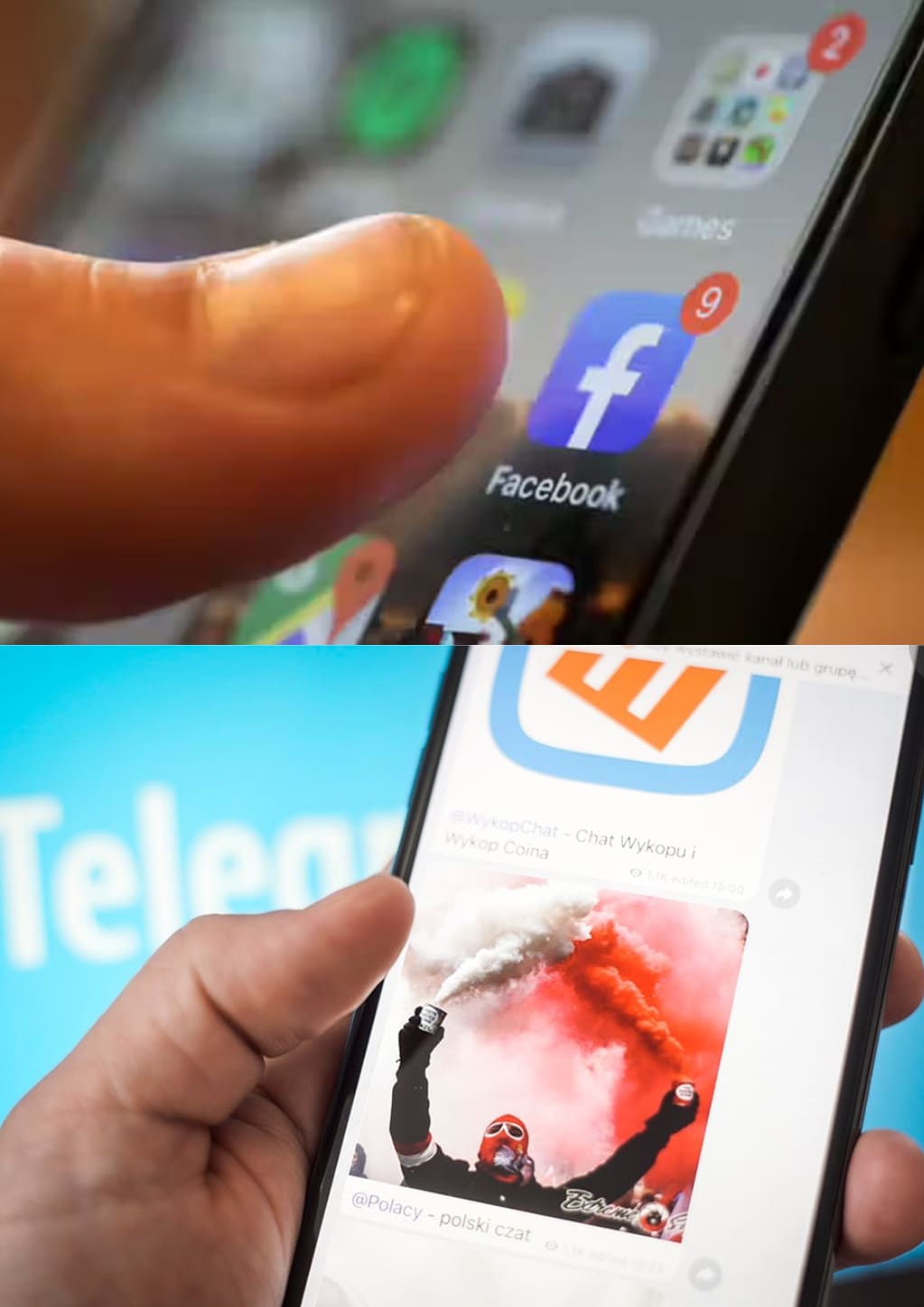
In the digital age, the image of the bully has evolved from the schoolyard thug to something far more insidious: the anonymous account, the meme-filled profile, and the coordinated hate mob. Nowhere is this more evident than in the tactics employed by the far right, who increasingly operate from the shadows of the internet, targeting the vulnerable with a venom that they would seldom dare express face-to-face. This behaviour is not random; it is a pattern of calculated cowardice, underpinned by distinct psychological and sociological forces.
At its core, this is bullying. And like all bullies, their actions are a performance of power designed to mask a profound insecurity.
The Psychology of the Digital Mob
The psychology behind this behaviour is a toxic cocktail of individual traits and the unique environment the internet provides.
- The Online Disinhibition Effect: The screen acts as a shield, creating a sense of anonymity and distance. People say and do things online they would never consider in a physical social setting. This “disinhibition” is a gift to the would-be bigot, allowing them to shed social norms and unleash their prejudice without immediate consequence. They don’t have to see the victim flinch or cry, making the act of cruelty feel abstract and therefore easier to commit.
- Deindividuation: In a large online group—such as a subforum or a Telegram channel—individual identity can dissolve into the collective. A person becomes part of a “mob,” losing their sense of personal responsibility and moral agency. The chant of the crowd replaces the conscience of the individual. This is why co-ordinated attacks, where dozens or hundreds pile onto a single person’s post, are so common. The individual coward feels empowered by the collective.
- A Quest for Significance and Status: For many adherents, these spaces offer a sense of belonging and purpose they lack in their offline lives. By participating in the harassment of a perceived “enemy” (e.g., a migrant, a transgender person, a political opponent), they gain validation and status within their in-group. The cruelty is the point; it’s the currency used to buy acceptance among fellow extremists.
- Projection and Scapegoating: Psychologically, it is often easier to project one’s own failures, frustrations, and self-loathing onto an external target than to confront them. The far-right narrative provides a ready-made list of scapegoats: “It’s not my life that’s unsatisfactory; it’s their fault.” Attacking a vulnerable group becomes a maladaptive way of dealing with personal inadequacy and social anxiety.
The Sociology of Targeting the Vulnerable
The choice of target is never accidental. It is a strategic decision that reveals the cynical sociology at play.
- The Power Imbalance: True bullying requires an imbalance of power. The far right deliberately targets individuals and groups with less power to fight back. This includes:
- Minorities and Migrants: Those who may have less command of the language, fear drawing attention due to their immigration status, or have a historical mistrust of authorities.
- Women and LGBTQ+ People: Particularly those in the public eye, who are subjected to misogynistic and homophobic/transphobic abuse designed to intimidate them out of public life.
- Journalists and Activists: Those who work to expose them are targeted with relentless campaigns of harassment, including doxing (publishing private addresses) and threats of violence, to silence criticism.
- The Mythology of Strength: Far-right ideology often fetishises a warped concept of “strength” – physical, cultural, and political. Attacking those they perceive as “weak” is a way to perform this strength to their audience. It’s a cheap, risk-free way to pose as a warrior while actually being a provocateur safe in their bedroom. They are LARPing as revolutionaries while engaging in the simplest form of cruelty.
- Examples in Practice:
- The Grooming Gang Narrative: Far-right groups have notoriously targeted British Pakistani communities with sweeping accusations. Instead of engaging with complex societal issues, they use online platforms to blanket-label entire communities, whipping up hatred against a minority group that often lacks the platform or social capital to effectively counter the narrative.
- Transphobic Hate Campaigns: Transgender individuals, an exceptionally vulnerable group, are subjected to relentless organised trolling. High-profile figures like journalist Owen Jones have been targeted with vile abuse for their support of trans rights. The trolls rarely engage in good-faith debate; instead, they spout memes, slurs, and threats, aiming to exhaust and demoralise.
- The Bullying of MPs: The murder of MP Jo Cox in 2016 was a tragic real-world consequence of this hate-filled rhetoric. Online, female MPs and those from ethnic minorities, like Diane Abbott, receive a disproportionate share of abusive, racist, and misogynistic messages designed to intimidate them and discourage others from entering public service.
The far-right online bully is indeed a coward. They hide behind avatars and usernames, weaponising anonymity to attack the most marginalised because it is easy, low-risk, and rewarded within their toxic echo chambers. Their psychology is one of inadequacy masked by performative hatred, and their sociology is one of preying on powerlessness to create a false sense of their own strength.
Understanding this is key to challenging it. We must recognise it not as political discourse but as anti-social behaviour—the digital equivalent of kicking a stray dog. By refusing to normalise it, by supporting the victims, and by holding platforms accountable, we can begin to dismantle the keyboard behind which the coward hides.