

To view the catastrophe in Gaza as a solely Israeli project is to misunderstand its fundamental mechanics. The relentless bombing, the expanding regional conflicts, and the staggering human toll—over 67,000 killed in Gaza alone—have one indispensable, common denominator: the financial, military, and diplomatic backing of the United States.
Twin reports from the authoritative Costs of War Project at Brown University lay bare the brutal arithmetic. Since October 2023, the US has backed Israel with more than $21 billion in military aid. A broader assessment, factoring in associated US military operations, puts the total American expenditure at a staggering $31–34 billion. This is not passive support; it is the active fuel for a war machine.
As Omar H Rahman, a fellow at the Middle East Council on Global Affairs, starkly told Al Jazeera, “Israel needs US arms in order to do what it is doing. It has dropped an excessive amount of ordnance on Gaza… it doesn’t manufacture the bombs, so without the US, it couldn’t drop those bombs.”
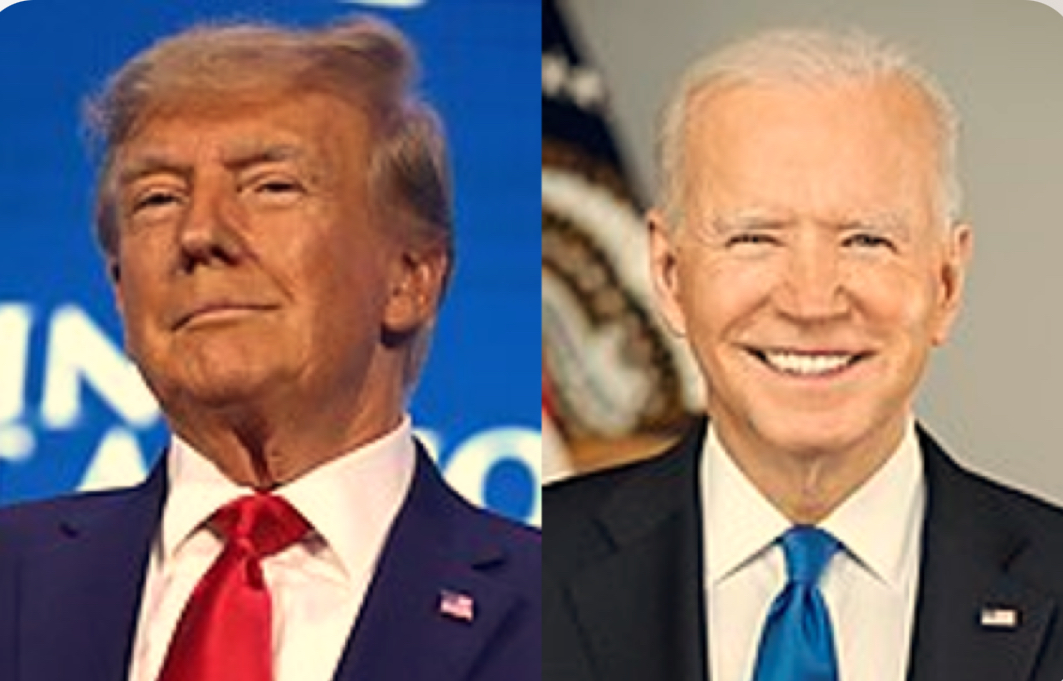
This reality exposes a bitter, bipartisan truth in American politics. The war has been prosecuted under both a Democratic and a Republican administration. President Joe Biden oversaw the initial, most intense phase of the bombardment, pushing through massive arms transfers with unwavering political support. His successor, Donald Trump, continued this legacy, with the reports noting the administrations jointly committed tens of billions in arms sales agreements that will be paid for years to come.
The consequence of this uninterrupted pipeline is clear. As William D Hartung, author of one of the reports, concluded, “Given the scale of current and future spending, it is clear the [Israeli army] could not have done the damage they have done in Gaza or escalated their military activities throughout the region without US financing, weapons, and political support.”
Israel’s war was not confined to Gaza. It involved increased violence in the West Bank, a devastating exchange with Hezbollah in Lebanon, the bombing of Iran’s consulate in Damascus, and a direct, 12-day war with Iran. This multi-front engagement would be unsustainable for any nation without a superpower patron. The US played that role, ensuring Israel faced no meaningful material constraints.
It is against this backdrop of two years of unyielding US support that any claim of a swift, brokered peace must be judged. For a leader to now step forward and present themselves as the architect of a solution, after their financial and political backing made the destruction possible, is a lie of epic proportions. It is a narrative that conveniently ignores the foundational role the US played in enabling the very violence it now claims to be stopping. This rewriting of history, which paints the chief enabler as the sole peacemaker, is a political fiction that critical observers see through instantly.
The American public is increasingly aware of this contradiction. As Matt Duss of the Center for International Policy noted, “Budgets are about priorities, but even though Americans have the thinnest social safety net of any modern country, somehow we always seem to find billions upon billions of dollars to assist Israel in its various wars.” This sentiment is growing, with polls showing a significant majority of American Jews now believe Israel has committed war crimes, and four in ten see its actions as genocide.
The war in Gaza, therefore, is as much a US construction as an Israeli one. The bombs were American, the financing was American, and the diplomatic cover was American. To acknowledge this is to understand that the path to peace requires more than a change of tactics in Jerusalem; it demands a fundamental reckoning in Washington. Until that happens, any claims of a broker’s triumph are not just premature—they are a profound insult to the tens of thousands buried beneath the ruins.







