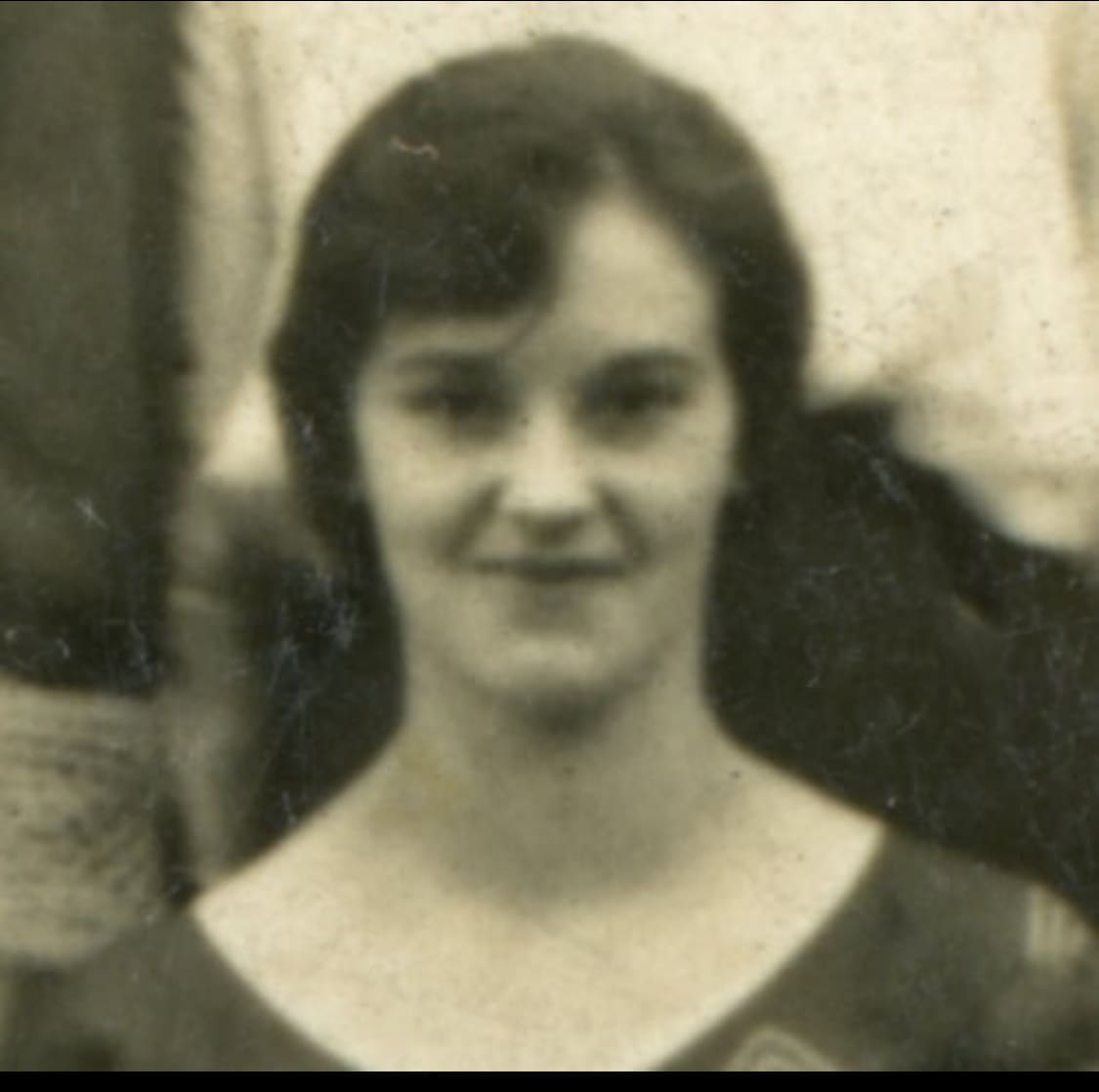
In the cold winter of January 1923, a 29-year-old woman named Edith Thompson was led to the gallows of Holloway Prison. She had been convicted of a crime she did not physically commit, the murder of her husband, Percy Thompson. Her lover, Frederick Bywaters, had confessed to the killing, but Edith was hanged too, her conviction resting not on action but on implication. Her death was not only a personal tragedy but also a chilling reflection of the prejudices, gender norms, and moral hypocrisy that gripped early 20th-century Britain.
The story of Edith Thompson is as heart-wrenching as it is complex. Born in 1893 in Dalston, East London, Edith grew up in a respectable working-class family and went on to secure employment at a London corset manufacturer, quickly rising to a position of responsibility. In 1916, she married Percy Thompson, a clerk at a shipping firm. The marriage, however, was deeply unhappy. Edith later described Percy as possessive, emotionally cold, and at times violent. Into this stifling domestic atmosphere entered Frederick Bywaters, eight years Edith’s junior, spirited, romantic, and idealistic. The two began an affair in 1921.
Their relationship was passionate and clandestine, fuelled by letters exchanged almost daily. In these letters, Edith poured out her frustrations, fantasies, and desires, some florid, some dark, all intensely emotional. She wrote of wishing Percy dead, of attempts to poison him (likely invented or exaggerated), and of dreams of escape with Frederick. Whether these writings reflected actual intent or were simply emotional outbursts, dramatic imaginings of a trapped woman, would become the focal point of a sensational trial.
On the night of 3 October 1922, Percy and Edith were walking home from the theatre in Ilford when Bywaters leapt from behind a bush and attacked Percy with a knife. Edith screamed, but Percy was fatally stabbed. Bywaters fled the scene but was later arrested. Initially, he claimed Edith had no knowledge of his plans. However, during interrogation, he changed his story under pressure, suggesting she had incited the act through her letters. This would prove fatal to her defence.
At the trial in December 1922, Edith Thompson’s private letters were read aloud to a packed courtroom. The prosecution did not accuse her of helping plan the murder in a conventional sense; she hadn’t bought a weapon, provided an alibi, or met with Bywaters to coordinate the attack. But her words were portrayed as incitement, a psychological manipulation of a younger man into committing murder. The fact that Bywaters himself repeatedly stated that he acted on impulse, not instruction, was largely ignored.
Much of the trial was conducted not in the realm of law, but of morality. Edith’s adultery was centre stage, her letters dissected not just for evidence but for signs of moral corruption. The fact that she was an educated, articulate woman, sexually expressive and intellectually confident, worked against her. She was portrayed as a manipulative seductress, a modern-day Delilah leading a good man astray. The courtroom, and the country at large, was not prepared to see a woman like Edith as a victim. They saw her instead as a threat to the sanctity of marriage and social order.
The jury took only two hours to find both Bywaters and Thompson guilty. Despite a huge public outcry, especially concerning Edith’s conviction, all appeals were rejected. Over 10,000 people signed a petition seeking clemency, including prominent figures of the time. Even several members of the jury reportedly sought leniency after the trial, but the Home Office stood firm.
Edith’s execution on 9 January 1923 was harrowing. Reports from prison staff suggest she collapsed repeatedly in her cell, hysterical with fear. On the morning of her death, she had to be carried, unconscious, to the scaffold. John Ellis, the executioner, was so traumatised by the experience that he resigned his post shortly afterwards.
Her death haunted the public imagination for years. It was clear to many that Edith Thompson had been convicted not for murder, but for being a woman who dared to speak too freely, love too passionately, and defy the role society had prescribed for her. The state could not accept that a woman’s words, however dark, could remain in the realm of thought and fantasy. Instead, they were treated as lethal weapons, more dangerous than the knife Bywaters had wielded.
In the years following her execution, legal experts and campaigners began to re-examine the case. Many concluded that the conviction had been driven more by misogyny and moral panic than by evidence. Edith’s letters were compared to fiction, akin to a kind of emotional journaling; disturbing at times, but hardly evidence of premeditated murder. Her trial is now widely seen as a cautionary tale, an example of how justice can be derailed when public sentiment and social conservatism cloud legal judgement.
In 2018, the Criminal Cases Review Commission announced a fresh look into Edith Thompson’s conviction, paving the way for a possible posthumous pardon. While such an act would come far too late to help Edith, it would at least serve as an acknowledgement that the justice system failed her.
Edith Thompson was not innocent in the moral sense expected by 1920s society; she committed adultery, expressed violent fantasies, and broke the mould of respectable womanhood. But these are not crimes. What happened to her was not justice. It was the state punishing a woman not for what she did, but for daring to imagine a different life and for writing it down.