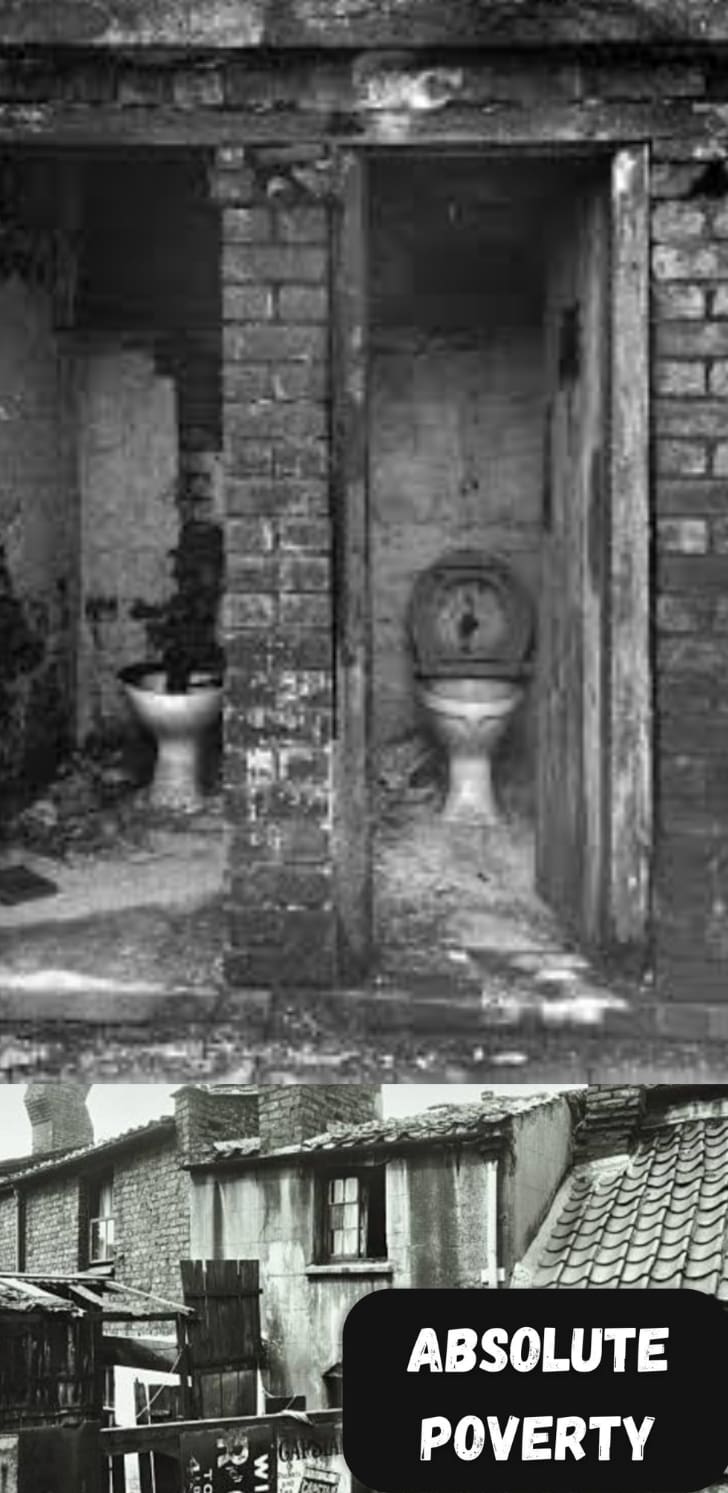
Great British values laid out for us by great British people.
With the far right wanting to return the UK back to the 1950s, let’s remember what that looked like:
| Category | 1950s UK | 2025 UK |
|---|---|---|
| 1. Social Structure & Class | Highly stratified class system; accents and background dictated opportunity; working-class mobility extremely limited; rigid expectations of “knowing your place.” | Class still exists but with far greater fluidity; more opportunities for upward mobility; social attitudes less hierarchical; regional accents far more accepted in professional life. |
| 2. Race & Ethnicity | Racial discrimination legal and normal; “colour bars” in pubs, housing and employment; hostile reaction to early Commonwealth migrants, including the Windrush generation. | Anti-racism legislation in force; discrimination illegal; multicultural population; continued challenges but greater visibility, rights and representation. |
| 3. Gender Roles | Women expected to marry young, run the household, and give up work after childbirth; men expected to be sole earners; careers for women discouraged. | Greater gender equality; dual-income households common; women represented across professions and leadership; societal acceptance of varied family roles. |
| 4. Women’s Legal Rights | Unequal pay; restricted access to certain jobs; limited reproductive rights; contraception not widely available; divorce difficult and stigmatised. | Equal Pay legislation; full career access; contraception widely available; easier, less-stigmatised divorce; legal protection against harassment and discrimination. |
| 5. LGBTQ+ Rights | Homosexuality illegal; arrests, imprisonment and chemical castration; heavy social stigma; no public representation. | Legal recognition of same-sex relationships and marriage; protected from discrimination; wide cultural visibility; ongoing social challenges but vastly improved rights. |
| 6. Disability Rights & Accessibility | Minimal support; poor accessibility; disabled people often institutionalised; no legal protection. | Equality Act protections; accessible public spaces; financial support schemes; greater visibility and advocacy. |
| 7. Healthcare & the NHS | NHS only recently created (1948), underfunded and overstretched; outdated equipment; high infant mortality; shorter life expectancy; widespread smoking; limited mental health care. | Mature, complex NHS with advanced diagnostics and treatments; digital services; longer life expectancy; better survival rates; greater focus on mental health (though services stretched). |
| 8. Public Health & Safety | Smoking widely accepted indoors; asbestos and leaded petrol common; dangerous workplaces with little regulation; poor food safety standards. | Strict smoke-free laws; banned toxic materials; robust health-and-safety legislation; regulated food industry; improved awareness of public health risks. |
| 9. Environment & Climate | Heavy coal use; severe smogs (e.g., 1952 London); hardly any environmental regulation; widespread industrial pollution; no concept of climate change. | Clean air legislation; environmental protections; shift to renewables; climate policy central to national strategy; higher awareness of conservation and sustainability. |
| 10. Housing & Living Standards | Post-war shortages; bomb-damaged cities; overcrowded terraces; limited central heating; cold, damp homes; rationing until 1954; few labour-saving appliances. | Modern insulated homes; central heating standard; smart appliances; consumer choice; housing affordability issues persist but overall quality far higher. |
| 11. Work, Employment & Labour Rights | Manual industries dominant (mining, steel, manufacturing); dangerous work; few rights; no equality laws; limited job flexibility; strong trade unions beginning to grow. | Diverse economy with digital, service and creative sectors; worker protections; minimum wage; flexible and hybrid working; anti-discrimination protections. |
| 12. Economy & Wealth | Slow post-war recovery; austerity; limited financial services; cash-based economy; little consumer credit; few people owned cars or major appliances. | Digital banking; contactless payments; widespread credit access; higher overall wealth; consumer economy; financial technology widespread. |
| 13. Education & Opportunities | 11-plus exam divided children at age 11; grammar schools for academic, secondary moderns for most; very low university attendance; girls’ education limited by expectations. | Comprehensive schools widely adopted; higher university participation; student loans available; expanded further education; broader curriculum and support needs considered. |
| 14. Family Life & Expectations | Traditional nuclear family idealised; stigma around single parents; marital roles strictly defined; corporal punishment common in homes and schools. | Diverse family structures accepted; single parents and blended families common; parenting more child-centred; corporal punishment banned in schools. |
| 15. Technology & Communication | No computers; no internet; radios common but TVs limited; landline telephones scarce; mechanical household appliances basic or absent. | Smartphones, broadband, streaming services; social media; cloud computing; AI-integrated devices; home automation. |
| 16. Transport & Mobility | Few cars; public transport relied upon; steam trains still used; limited motorway system; international travel expensive and rare. | High car ownership; electrification of transport; extensive motorway network; budget airlines; international travel common (though environmentally debated). |
| 17. Consumer Culture | Limited goods; small number of brands; many items expensive or unavailable; hire-purchase emerging; shopping mostly local. | Consumer choice abundant; global brands; online shopping; next-day delivery; subscription services; digital marketplaces. |
| 18. Media, Culture & Entertainment | Strict censorship of theatre and film; only two TV channels; radio central to home entertainment; conservative cultural norms; taboo subjects off-limits. | Wide freedom of expression; diverse TV and film; global entertainment via streaming; open discussion of mental health, sexuality, politics and identity. |
| 19. Policing & Justice | Outdated forensic science; police prejudice common; homosexuality and many moral offences criminalised; death penalty still in use. | Modern forensic techniques; stronger oversight and accountability; decriminalisation of private adult relationships; death penalty abolished. |
| 20. Foreign Policy & Global Role | Managing the decline of empire; colonial uprisings (Kenya, Malaya, Cyprus); key NATO member during Cold War; limited European involvement. | Post-Brexit foreign policy adapting; active role in NATO; focus on security, climate, technology standards, and migration policy; redefined global identity. |
| 21. National Identity & Cultural Attitudes | Strongly traditional; patriotic narratives emphasised empire and wartime victory; conformity expected. | More pluralistic identity; debates on multiculturalism, devolution, and regional identity; broader cultural inclusivity. |
| 22. Scientific Research & Innovation | Limited funding; early nuclear research; medical science relatively basic; computing experimental and inaccessible. | Major investment in biotech, AI, renewable energy, quantum technologies; advanced medical research; globally competitive universities. |
| 23. Food & Diet | Limited choice due to rationing; traditional British dishes dominant; imported goods expensive; low awareness of nutrition. | Global cuisines common; supermarkets stocked year-round; improved nutrition knowledge; dietary diversity (vegan, gluten-free, etc.). |
| 24. Privacy & Surveillance | High personal privacy simply due to low technology; limited government data collection; small-scale record-keeping. | Digital footprints from devices and internet use; CCTV widespread; government and corporate data collection debated; privacy laws exist but questioned. |
| 25. Public Attitudes & Values | Conservative and conformist; deference to authority; stigma around mental illness, divorce, sexuality, class mobility. | More individualistic; socially liberal in many areas; growing mental-health awareness; broader acceptance of diversity; more questioning of institutions. |
If they were intelligent, they would be less dangerous.
To report this post you need to login first.