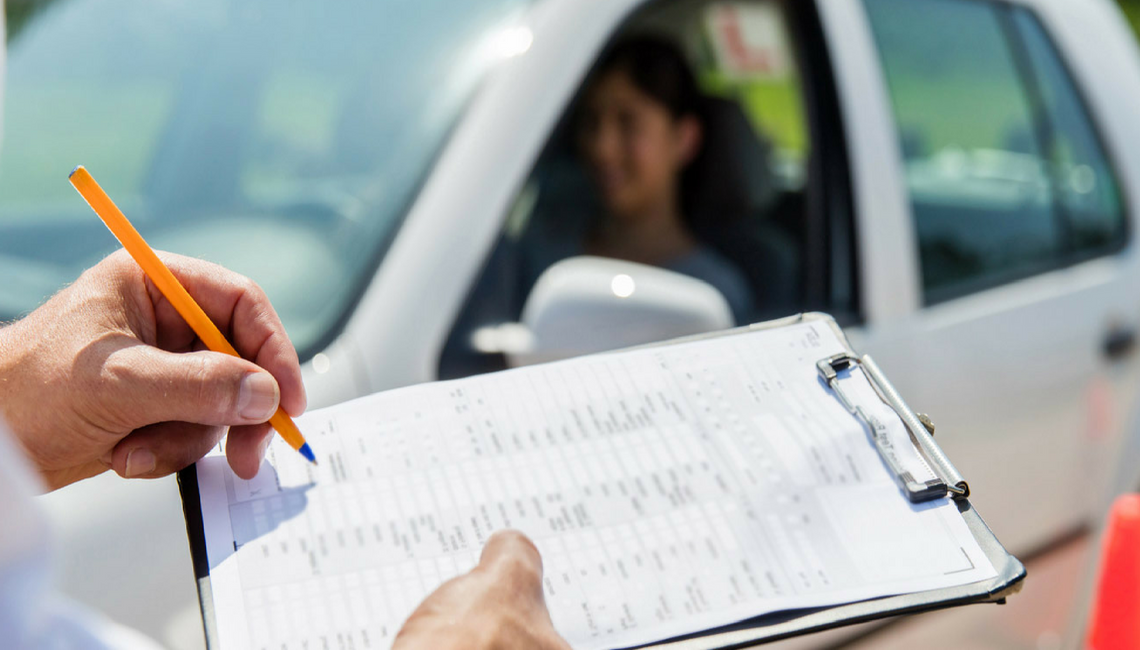
Learner drivers in Britain will see a significant change to the practical test from next week, with a reduced emphasis on emergency stops and a greater focus on driving at higher speeds on rural routes.
The Driver and Vehicle Standards Agency (DVSA) is introducing the changes from 24th November, following a successful five-month trial at 20 test centres.
The move is designed to better prepare new drivers for the roads where they are most at risk. According to a House of Commons Library briefing, nearly half (48%) of crashes that killed or seriously injured drivers aged 17-24 between 2019 and 2023 occurred on rural roads.
What’s Changing in the Test?
The key alteration is to the “manoeuvres” section of the test. Currently, learners are required to perform four manoeuvres, one of which is the emergency stop. Under the new rules:
- The number of manoeuvres will be reduced from four to three.
- The emergency stop will become less frequent, now appearing in only one in seven tests, down from one in three.
The DVSA stated that the previous requirement to find suitable low-speed areas for emergency stops often limited the variety and length of roads that could be used on a test route. By scaling back the stops, examiners will have “greater flexibility” to plan routes that include more time on faster rural and dual carriageway roads.
The agency confirmed that the overall length of the test and the number of tests available will not change.
Tackling the Backlog and Young Driver Risk
The update is the latest effort by the government to tackle the massive driving test backlog, which currently stands at over 600,000 learners with a booking.
Roads Minister Simon Lightwood said the change would improve safety for young motorists. “By focusing more tests on higher speed roads, we are tackling one of the biggest risks for young drivers, which will help reduce collisions and save lives,” he said.
Amanda Lane, DVSA head of driver testing policy, added: “To keep all road users safe, it’s crucial that the practical driving test assesses learners on the skills required to drive in the real world.”
The test changes come alongside other measures to address the waiting list. Last week, Transport Secretary Heidi Alexander announced that only learners – not their instructors – will be able to book test slots to combat bots and block-booking.
Additionally, in a move reminiscent of pandemic support, 36 military driving examiners will be mobilised to conduct public tests one day a week for the next 12 months. The Department for Transport estimates this will create up to 6,500 extra tests at the busiest locations.
These changes arrive amid renewed calls from safety campaigners for the introduction of graduated driving licences (GDLs), which would place restrictions on new drivers, such as limiting night-time driving or the number of passengers they can carry.