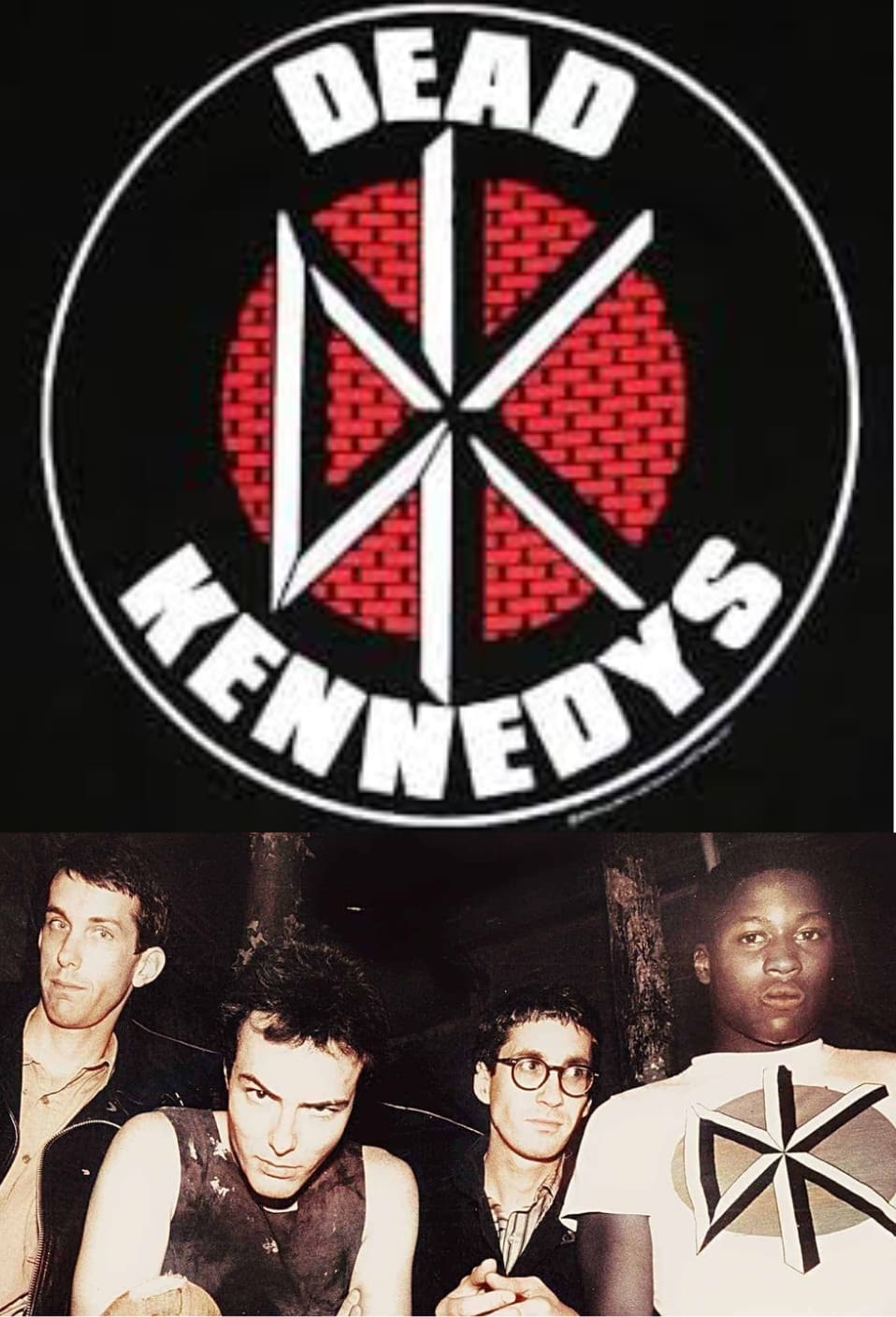
To categorise the Dead Kennedys merely as a punk band is to profoundly underestimate their project. Emerging from the sulphurous fog of late-1970s San Francisco, they were a potent synthesis of artist, satirist, political commentator, and moral philosopher, all amplified through a blistering wall of sound. Their importance transcends the punk genre; they stand as a foundational pillar of intelligent, oppositional art in modern music, a band whose work remains a compulsory masterclass in critical listening and cultural dissent.
The Name as a Manifesto: A Prelude to Critical Thought
Before a note was ever heard, the name “Dead Kennedys” served as their first and most brilliant piece of satire. In an era of blunt monikers like The Clash or The Sex Pistols, theirs was a complex, multi-layered joke. It was not, as often misconstrued, a celebration of violence. Instead, it was a stark, ironic obituary for the “Camelot” myth of the American Dream. It signalled that the optimistic, progressive promise of the Kennedy era was not just deceased, but its corpse was now being puppeteered by the very forces it purported to oppose. This name set the tone for everything that followed: provocative, intellectually rigorous, and designed to dismantle comfortable illusions.
The Lyrical Lancet: Jello Biafra’s Theatre of Absurdity and Outrage
The band’s primary weapon was the lyrical genius of frontman Jello Biafra (Eric Boucher). A voracious reader and political obsessive, Biafra didn’t write protest songs; he composed dense, allusive, and savagely witty audio plays that eviscerated their targets with surgical precision. His technique was a masterful blend of:
- Satirical Persona: Biafra often sang from the perspective of the villain, adopting the voice of the oppressor to expose their grotesque logic. This forced the listener into a position of complicit understanding, making the critique far more powerful than mere condemnation.
- Absurdist Reduction: He would take a political or social policy to its most terrifyingly logical, yet absurd, conclusion, holding it up like a distorted funhouse mirror for the audience to recoil from.
- Cultural and Historical Allusion: His lyrics were peppered with references that rewarded the engaged listener, from political figures (Jerry Brown, Ronald Reagan) to historical events (the Khmer Rouge, the Jonestown massacre) and philosophical concepts.
Deconstructing the Anthems:
- ‘Holiday in Cambodia’ (1980): Often mistaken for a straightforward anti-authoritarian anthem, the song is, in fact, a scathing attack on Western privilege and performative activism. The subject is a “well-dressed college student” dabbling in radical chic, complaining about their “squalid” existence. Biafra contrasts this with the unimaginable horror of Pol Pot’s Killing Fields:“Well, you’ll work harder with a gun in your back / For a bowl of rice a day / Slave for soldiers till you starve / Then your head is skewered on a stake.”
The song is a brutal lesson in perspective, mocking the faux-enlightenment of the elite and forcing the comfortable listener to confront true, systemic suffering. - ‘California Über Alles’ (1979) & ‘We’ve Got a Bigger Problem Now’ (1981): The original track targeted the “soft fascism” of Governor Jerry Brown’s brand of hippie-dippie authoritarianism, imagining a regime enforcing mindfulness and tofu at gunpoint (“Zen fascists will control you / Hundred percent natural”). Later updated to target Ronald Reagan (‘We’ve Got a Bigger Problem Now’), it showcased their adaptability. The genius was in identifying that tyranny isn’t always clad in jackboots; it can wear a smiley face and preach about your well-being, a concept chillingly relevant today.
- ‘Kill the Poor’ (1980): A masterpiece of deadpan, dystopian satire. The song proposes the “neutron bomb” – designed to eliminate people while leaving infrastructure intact – as the ultimate, efficient solution to poverty. It’s a vicious parody of the cold, dehumanising logic of technocracy and Reaganomics, where human life becomes a mere variable in a cost-benefit analysis. The cheerful, almost pop-like delivery of the chorus (“Kill the poor, tonight!”) makes its message all the more unsettling.
- ‘Pull My Strings’ (1980): Perhaps the purest punk act ever committed to tape. Written for and performed at a music industry awards show, this merciless takedown of label hypocrisy and artist commodification was the ultimate act of biting the hand that might have fed them. Lines like “I’m a messiah / Where’s my share?” laid bare the cynical machinery of fame. It was a lesson in maintaining ideological purity against co-option.
The Sonic Architecture: Beyond Three Chords
To attribute their power solely to the lyrics is to ignore the sophisticated musical chaos engineered by guitarist East Bay Ray. The band’s sound was a unique and calculated assault:
- East Bay Ray’s Guitar: Ray’s playing was nothing like the standard punk riffage. He infused the music with a haunting, reverb-drenched surf-rock aesthetic, spy movie themes, and psychedelic flourishes. His solos were often dissonant and chaotic, like the sound of a society unravelling. Listen to the almost spaghetti-western twang in ‘The Prey’ or the eerie, melodic intro to ‘Moon Over Marin’.
- Rhythmic Precision: The rhythm section of Klaus Flouride (bass) and D.H. Peligro (drums) was arguably the most technically proficient in punk. Flouride’s basslines were complex and melodic, often acting as a lead instrument, while Peligro’s jazz-influenced, powerhouse drumming provided a frenetic yet rock-solid foundation. This musical competence allowed them to execute complex tempo changes and arrangements (e.g., ‘Police Truck’, ‘Bleed for Me’) that gave their political fury a dynamic and compelling vehicle.
The Enlightenment: Teaching a Generation How to Listen
The fundamental importance of the Dead Kennedys to intelligent music listening is their demand for active engagement. They never spoon-fed their audience. Their records, particularly on the Alternative Tentacles label (co-founded by Biafra to ensure artistic control), were events. The gatefold sleeves of albums like ‘Frankenchrist’ (1985) were dense with footnotes, reading lists, and artwork (most notoriously H.R. Giger’s ‘Penis Landscape’) designed to provoke thought and, crucially, further research.
They treated their listeners as intellectual equals, capable of understanding satire, historical context, and complex economic critique. To appreciate a Dead Kennedys song fully, one had to:
- Decode the satire.
- Understand the historical/political context.
- Appreciate the musical craftsmanship beneath the aggression.
- Question their own position in the narrative.
This was a complete rejection of passive consumption. They were not background music; they were a call to intellectual arms.
Enduring Legacy: The Uncomfortable Mirror
The Dead Kennedys’ legacy is immense. They proved that punk could be intellectually formidable without losing its visceral power. They paved the way for the success of later political and alternative bands who valued lyrical depth, from Rage Against the Machine to System of a Down.
More importantly, their work remains terrifyingly relevant. Their critiques of media manipulation, corporate greed, political hypocrisy, and the sanitisation of dissent are perhaps more pertinent now than in the 1980s. They serve as an enduring, uncomfortable mirror, reflecting the absurdities and injustices of each new generation back at itself.
The Dead Kennedys were architects of a sonic and intellectual insurrection. They taught a generation that the most radical act is not just to scream against the machine, but to understand how it works, to laugh at its absurdity, and to use that knowledge to forge a sharper, more intelligent resistance. They remain the ultimate testament to the power of a well-informed, critical mind—the most dangerous weapon of all.
The Dead Kennedys’ Message That Transcends the Decades