Britain faces the lowest risk of winter power blackouts in six years, according to a reassuring new assessment from the National Energy System Operator (NESO). The grid operator states that the country’s energy security hasn’t been this robust since the winter of 2019-2020, before the pandemic.
This enhanced stability is credited to two key developments: a significant increase in the UK’s battery storage capacity, which can store excess power from wind farms for when it’s needed, and a new subsea electricity cable connecting to Ireland that became operational in April. NESO reports that the cushion between expected electricity demand and supply is now substantially greater—equivalent to roughly three gas-fired power stations more than last year.
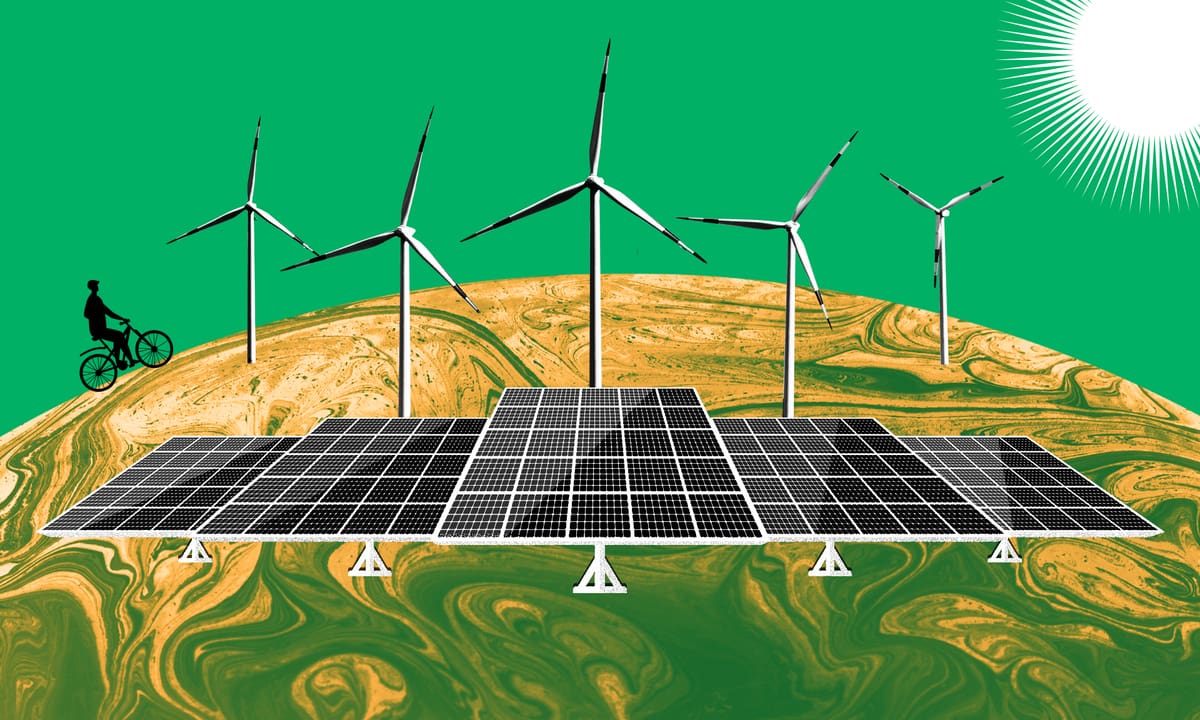
This positive news coincides with a landmark period for renewable energy, both in Britain and globally. In a world first, renewable sources generated more electricity than coal during the first half of 2025. Closer to home, Britain set its own record, with renewables like solar and wind power providing a remarkable 54.5% of the nation’s electricity in the second quarter of the year.
The Compounding Benefits of Green Power
The shift towards renewables is delivering tangible benefits beyond just keeping the lights on. A primary advantage is the potential for lower energy bills for households and businesses.
This is because greater renewable capacity reduces reliance on volatile international oil and gas markets. These markets have remained turbulent since the invasion of Ukraine and subsequent efforts by Western nations to move away from Russian fossil fuels. By generating more power domestically from sun and wind, the UK becomes less exposed to these price shocks.
“Renewables are lowering wholesale electricity prices by up to a quarter,” confirmed Jess Ralston, an energy analyst at the Energy and Climate Intelligence Unit (ECIU) thinktank.
The situation marks a significant improvement from recent winters. In one previous cold snap, the grid was forced to fire up ageing coal plants to meet demand during a period of still weather, which hampered wind power generation. Those coal plants have since been decommissioned, underscoring the progress made.
A Note of Caution for the Winter Ahead
Despite the optimistic outlook, NESO has cautioned that it may not be entirely “plain sailing.” The operator anticipates some “tight” days, particularly in early December or mid-January. On these occasions, NESO will issue instructions to electricity suppliers to increase their output to ensure the grid remains balanced.
The National Energy System Operator, which was acquired by the government for £630m in 2023 after being owned by the publicly-listed National Grid, continues to monitor the system closely. The combination of strategic infrastructure investment and the relentless growth of cheap, home-grown renewable energy, however, means Britain is entering the winter in its most secure power position for years.