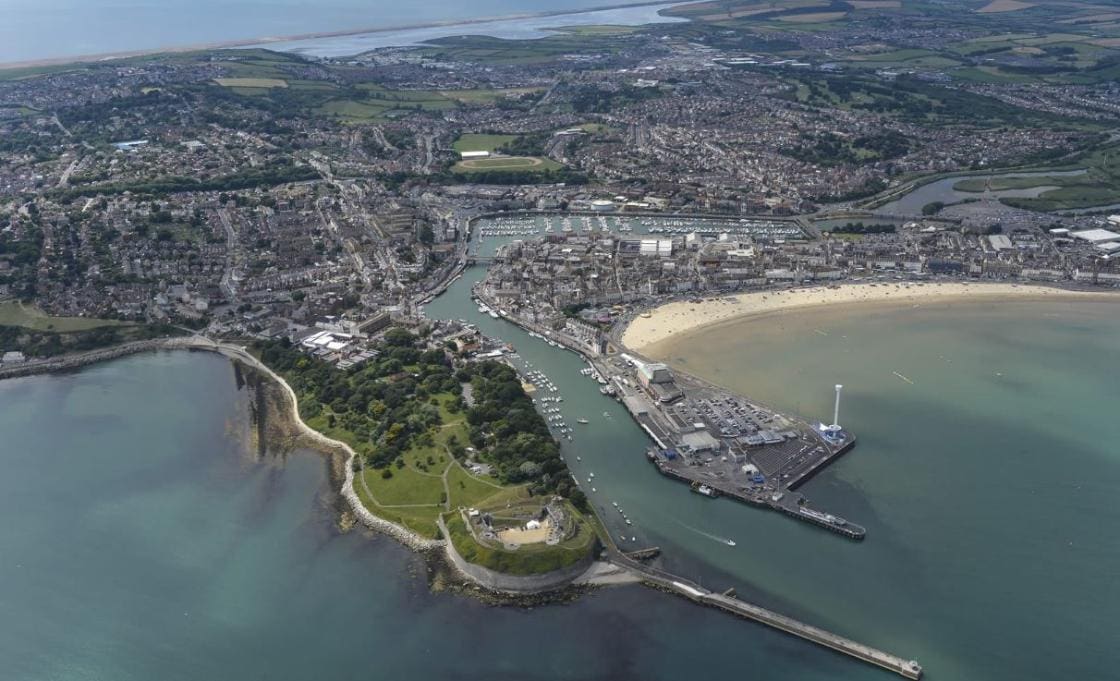
A Harbour Revision Order (HRO) covering Bridport (West Bay), Lyme Regis, and Weymouth Harbours has been agreed by the Marine Management Organisation. The new order came into effect on 20 February 2026.
HROs are legal instruments made under the Harbours Act 1964, allowing outdated or fragmented harbour legislation to be updated so that ports can operate more efficiently, safely and in line with modern requirements.
For Weymouth Harbour, the new Order focuses on modernising its Open Port Duty, which required the port to maintain infrastructure suitable for vessels over 24 metres; facilities no longer required since the end of ferry services in 2015.
Updating this duty allows the harbour to focus on smaller commercial and leisure vessels, reduce maintenance costs, and support future regeneration of the Peninsula site.
Cllr Rob Hughes, Chair of the Harbours Advisory Committee, said:
“This Harbour Revision Order means we now have the option to free up space for leisure, residential and commercial development at the Peninsula in line with the Harbour Business Plan and our regeneration ambitions for the town. It also allows us to invest in small scale marine industries and improved public spaces around the harbour, as well as removing costly, underused infrastructure.
“The Harbour Revision Order will help shape Weymouth Harbour’s long-term future by modernising harbour operations and supporting local economic growth through regeneration of the Peninsula.”
For Bridport and Lyme Regis, the HRO replaces a patchwork of older legislation, including laws dating back to the 1584 Act governing the Cobb at Lyme Regis, with a single, modern regulatory framework. This update reflects how the two small community harbours operate today and provides Dorset Council with clearer, more practical powers to manage them.
The Order also formally defines the harbour limits at Lyme Regis for the first time. It introduces modernised powers covering navigation, safety, mooring management, dredging, the handling of unserviceable vessels, environmental considerations and the recovery of charges, all essential for the safe and efficient operation of the two harbours.
In addition, the HRO updates financial provisions, including arrangements for harbour charges, borrowing and reserve funds, making it easier to plan long‑term maintenance and reinvest in essential infrastructure. These changes will help support the local fishing fleet, leisure users and visiting vessels, ensuring both harbours remain safe, sustainable and resilient for the communities they serve.