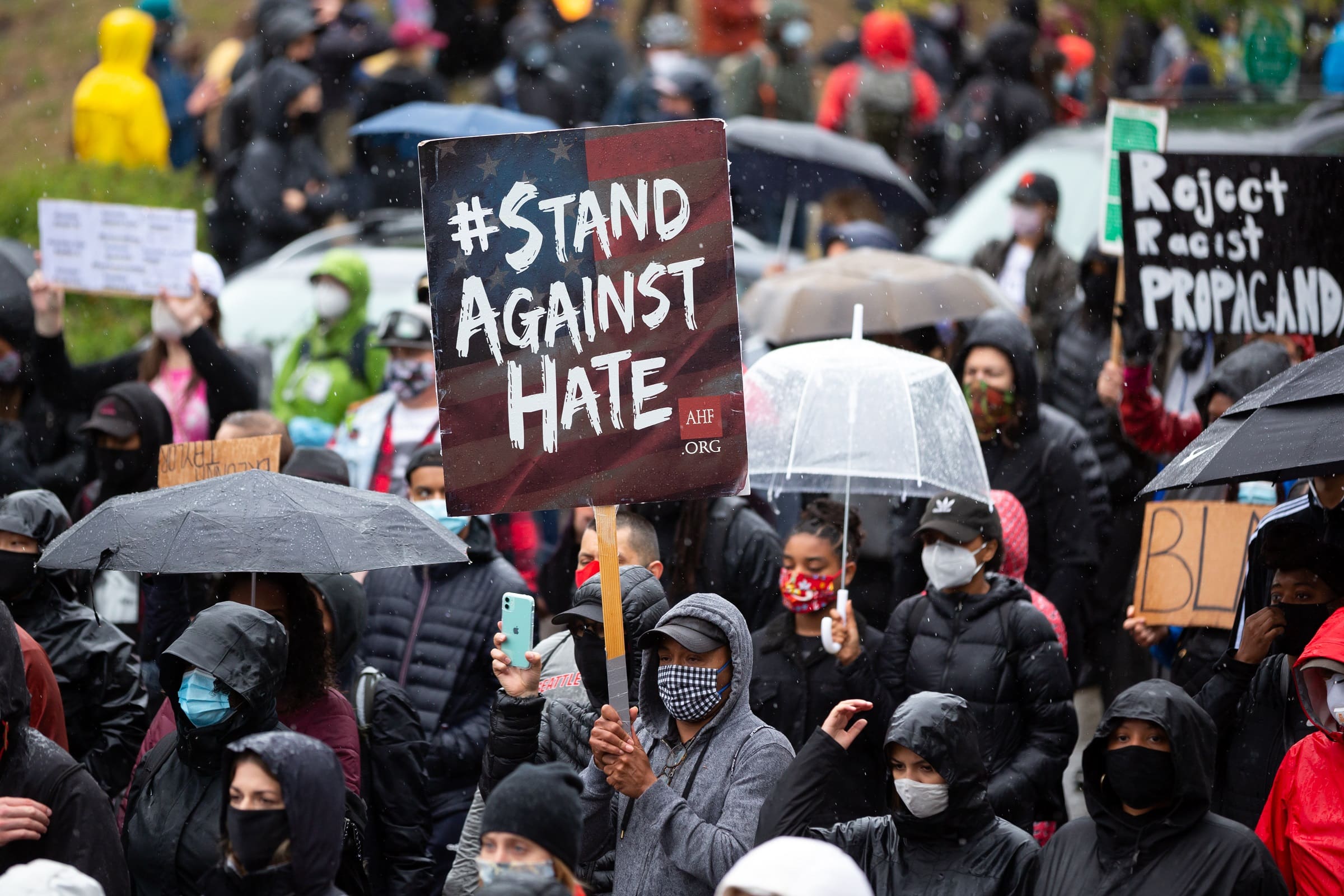
Hate crimes have become one of the most pressing social issues facing modern Britain. Despite decades of equality legislation and public awareness campaigns, the number of recorded hate crimes continues to rise, exposing deep divisions and the vulnerability of minority communities. From religious hostility to racist abuse and attacks on LGBTQ+ people, thousands of incidents occur every year across England and Wales. Understanding the scale of the problem and how to tackle it requires confronting uncomfortable truths about prejudice, political rhetoric and the spread of hate both online and offline.
Official figures from the Home Office show that hate crime has increased significantly over the past decade. Police recorded more than 140,000 hate crimes in England and Wales in recent reporting years, covering offences motivated by race, religion, sexual orientation, disability or transgender identity. While improved reporting may explain some of the increase, experts agree that hostility toward minorities remains a persistent and serious problem.
Religious hate crime is a particularly stark example. In the year ending March 2025, police recorded 3,199 anti-Muslim hate crimes, representing a rise of almost 20% on the previous year. These incidents range from verbal harassment and threats to vandalism, assault and intimidation. In response to the growing problem, the government has introduced a working definition of anti-Muslim hostility designed to help authorities better recognise and address such incidents.
Communities Secretary Steve Reed said the definition would act as a practical tool to help institutions measure and prevent prejudice. Importantly, the definition is non-statutory and does not create new criminal offences. Protections against discrimination remain rooted in the Equality Act 2010, which already makes discrimination on the basis of religion or belief unlawful.
However, the statistics reveal that Muslims are not the only group affected. According to government figures, Jewish communities experience the highest rate of religious hate crime in Britain, with approximately 106 incidents per 10,000 people, compared with roughly 12 incidents per 10,000 Muslims. These figures highlight how different minority groups can face disproportionate levels of hostility.
The causes of hate crimes are complex and interconnected. Far-right extremism remains a major driver of anti-Muslim hatred, often spreading narratives that portray Muslims as a threat to national identity or security. At the same time, antisemitic conspiracy theories circulate across right-wing extremist networks and some online communities. Both forms of hatred feed on misinformation, historical prejudice and political polarisation.
Geopolitical events frequently trigger spikes in hate crimes within the UK. Conflicts in the ‘Middle East’, terrorist attacks, or heated debates about immigration and national identity often lead to increases in harassment directed at minority communities who have no connection to those events. Individuals become scapegoats for wider anger or fear.
Social media has further intensified the problem. Online platforms can rapidly spread inflammatory narratives, conspiracy theories and dehumanising language. When such rhetoric becomes normalised in digital spaces, it can spill into real-world behaviour. Studies consistently show that online hate speech correlates with increased harassment and violence offline.
Political discourse also plays a role. When politicians or public figures use inflammatory language about migrants, minorities or religion, it can legitimise prejudice among those already inclined to hold hostile views. Responsible leadership therefore matters greatly in shaping the tone of national debate.
Prime Minister Keir Starmer has recently emphasised the need to maintain unity between communities, warning that international conflicts must not be allowed to divide people within Britain. Community organisations have echoed that sentiment, arguing that strong leadership and practical policies are both needed to prevent further escalation of hate.
Yet recognising the problem is only the first step. Tackling hate crime effectively requires a comprehensive strategy that addresses both immediate threats and the deeper social forces that produce prejudice. A four-step programme could provide a practical framework for doing so.
1. Strengthening reporting and policing
Many hate crimes still go unreported because victims fear retaliation or believe authorities will not act. Expanding specialist police training and improving reporting mechanisms, particularly through community organisations, would help ensure incidents are properly documented and investigated. Dedicated hate crime units within police forces should also receive adequate resources so cases are pursued consistently.
2. Tackling online hate and misinformation
Social media platforms must be held accountable for the content they host. Stronger enforcement of moderation rules, faster removal of hate speech and greater transparency about algorithms are essential. Governments should also invest in digital literacy programmes that help people recognise misinformation and resist extremist narratives online.
3. Education and community engagement
Long-term change begins with education. Schools and universities should expand programmes that teach the history of racism, antisemitism and Islamophobia while encouraging critical thinking and empathy. Community initiatives that bring people from different backgrounds together, through cultural events, dialogue projects and local partnerships, can help break down stereotypes before they take root.
4. Responsible political leadership
Finally, political leaders must recognise the power of their words. Clear condemnation of hate crimes, careful language in public debate and consistent defence of minority rights are essential in shaping a culture of respect. When leaders normalise tolerance rather than division, they reduce the space in which extremists operate.
Hate crime is not simply a policing issue; it is a reflection of broader social tensions and inequalities. The rising numbers show that Britain cannot afford complacency. Combating prejudice requires sustained effort from government, civil society, educators, technology companies and ordinary citizens alike.
Britain’s strength has long been its diversity. Protecting that diversity means confronting hate wherever it appears, whether in the streets, in politics or online and ensuring that every community can live without fear of intimidation or violence.