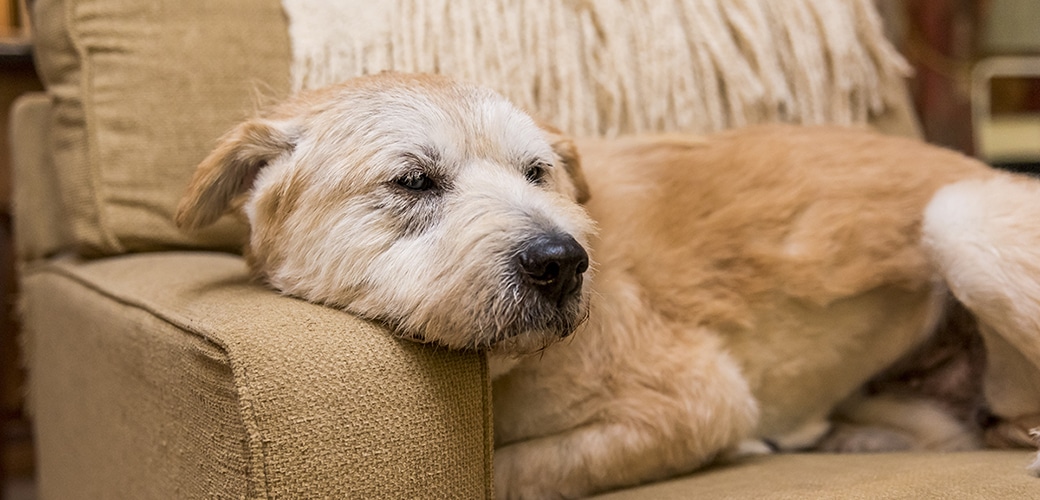
For every dog owner, their four-legged friend is a cherished member of the family. It’s a relationship we wish could last forever, but sadly, the lives of our canine companions are often far too short. While we can’t stop the passage of time, understanding the factors that influence a dog’s lifespan—and what we can do to positively affect them—is one of the most profound ways we can express our love and care.
Why Lifespan Varies So Dramatically by Breed
The most significant factor in a dog’s expected lifespan is its breed. A glance at any park will show you the staggering diversity in size and shape, and this directly correlates to longevity. As a general rule, smaller breeds tend to live longer than their larger counterparts.
The table below provides a general guide to the average lifespan of some common breeds. It’s important to remember these are averages; individual dogs may live shorter or longer lives based on their specific genetics and care.
| Breed | Typical Average Lifespan (Years) | Size Category |
|---|---|---|
| Chihuahua | 14 – 17 | Small |
| Jack Russell Terrier | 13 – 16 | Small |
| Dachshund | 12 – 16 | Small |
| Yorkshire Terrier | 13 – 16 | Small |
| Toy Poodle | 12 – 15 | Small |
| Cocker Spaniel | 12 – 14 | Medium |
| Border Collie | 12 – 15 | Medium |
| Staffordshire Bull Terrier | 12 – 14 | Medium |
| Springer Spaniel | 12 – 14 | Medium |
| Labrador Retriever | 10 – 12 | Large |
| Golden Retriever | 10 – 12 | Large |
| German Shepherd Dog | 9 – 13 | Large |
| Boxer | 10 – 12 | Large |
| Rottweiler | 9 – 10 | Large |
| Great Dane | 7 – 10 | Giant |
| St. Bernard | 8 – 10 | Giant |
| Irish Wolfhound | 7 – 9 | Giant |
The reasons for this size-longevity link are complex but are thought to be linked to the rapid growth in larger breeds, which puts increased strain on their bodies and makes them more susceptible to conditions like cancer and heart disease.
Beyond size, breeding has a profound impact. Breeds with extreme physical traits, such as the flattened faces (brachycephaly) of Pugs and Bulldogs or the elongated backs of Dachshunds, often face specific health challenges that can shorten their lives. Responsible breeding practices that prioritise health over exaggerated looks are crucial for improving the future wellbeing of these breeds.
What You Can Do: A Blueprint for a Longer, Healthier Life
While genetics set the stage, your care as an owner plays the leading role in your dog’s health story. Here’s how you can make every one of their years a good one.
1. Nutrition: The Foundation of Health
You truly are what you eat, and this is just as true for dogs. A high-quality, balanced diet appropriate for their age, size, and activity level is paramount.
- Avoid Overfeeding: Keeping your dog at a healthy weight is one of the single most important things you can do. Obesity puts strain on joints, the heart, and other organs, and can significantly shorten a dog’s life. Follow feeding guidelines, limit treats, and don’t give in to those pleading eyes.
- Be Treat-Wise: Use healthy alternatives like small pieces of carrot, apple (without seeds), or green beans.
2. Consistent, Preventative Veterinary Care
Don’t just visit the vet when something is wrong. Regular check-ups—at least once a year, or twice for older dogs—are essential.
- Vaccinations and Parasite Control: Keep their vaccinations up to date and maintain a regular schedule for flea, tick, and worming treatments. These parasites are more than a nuisance; they can transmit serious diseases.
- Dental Health: Dental disease is a common, often overlooked problem. Bacteria from infected gums can enter the bloodstream and damage the heart, liver, and kidneys. Regular teeth brushing and professional cleans when advised are vital.
3. Keep Them Moving, But Appropriately
Regular exercise helps maintain a healthy weight, keeps joints supple, and provides essential mental stimulation.
- Tailor the Activity: A young Border Collie will need miles of running, while an elderly Pug will be content with a gentle stroll around the block. Match the exercise to your dog’s breed and fitness level to avoid injury.
4. Mental Stimulation: Exercise the Mind
A bored dog can become a stressed or destructive dog. Mental exercise is just as tiring as a long walk.
- Training: Continue teaching new tricks or practising old ones throughout their life.
- Puzzle Toys: Use food-dispensing toys or puzzle games to challenge their problem-solving skills.
- Novelty: Change your walking routes to provide new smells and sights.
5. The Importance of Neutering
Neutering (spaying females or castrating males) can have significant health benefits. For females, it largely eliminates the risk of pyometra (a life-threatening womb infection) and dramatically reduces the chance of mammary cancer. For males, it prevents testicular cancer and can reduce the risk of prostate problems. Discuss the optimal timing with your vet.
6. Know Your Breed, Know What to Watch For
If you have a purebred dog, research the health conditions they may be predisposed to. For instance, King Charles Spaniels are prone to heart conditions, while German Shepherds often have hip issues. Knowing the early warning signs means you can seek veterinary advice promptly.
7. Safety and Security
A safe environment is a must. Ensure your garden is securely fenced, keep toxic foods (like chocolate, grapes, and xylitol) out of reach, and be vigilant on walks, especially near roads.
Our dogs give us a lifetime of loyalty and love in the short years they have. While we cannot dictate the number of years we have with them, we have immense power over the quality of those years. By being an attentive, proactive, and loving owner, you can help ensure your faithful companion lives not just a longer life, but a happier, healthier, and more vibrant one. It is, after all, the very least they deserve.