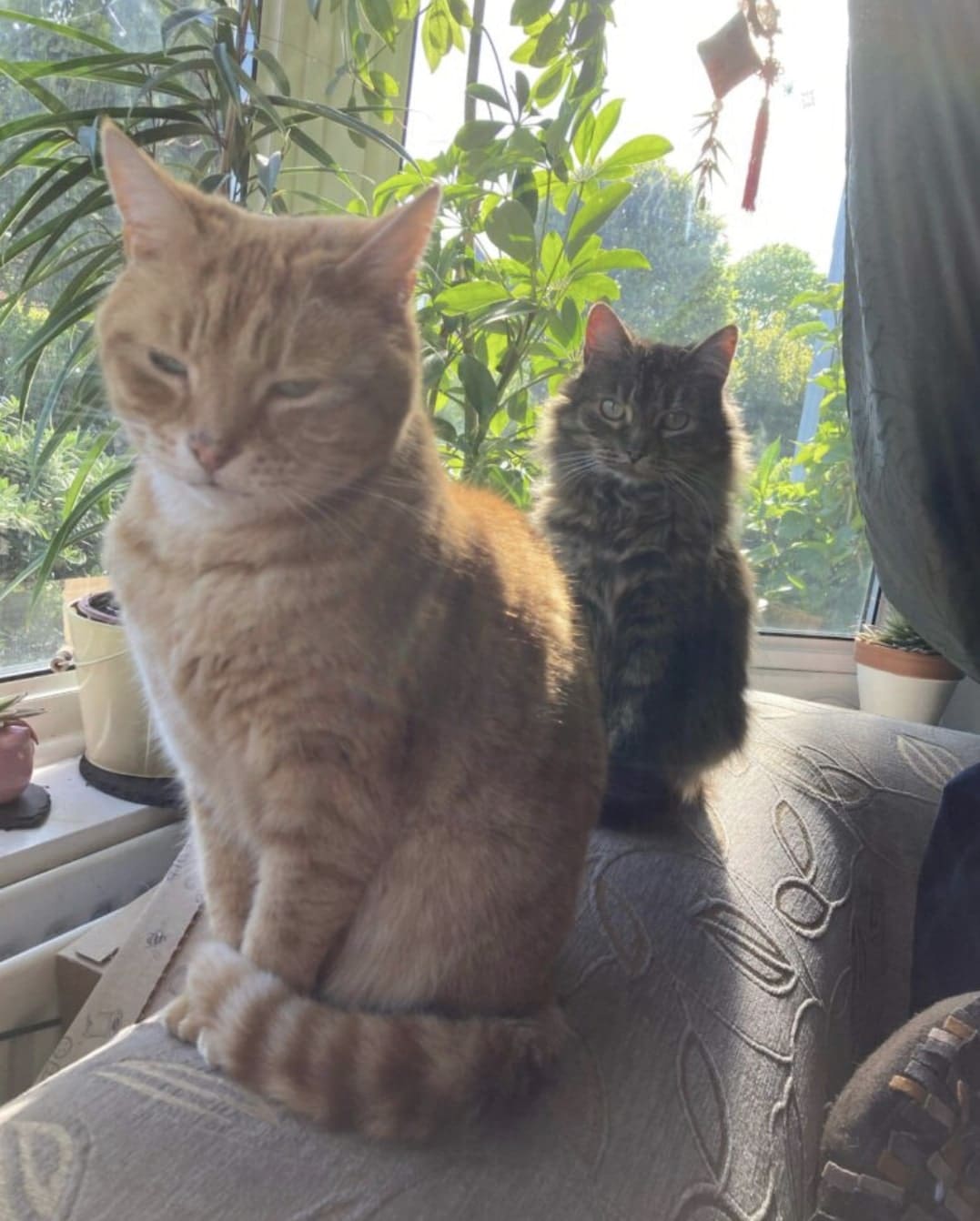
Maximising your cat’s lifespan is about proactive, preventative care and understanding their unique needs as both a predator and a creature of comfort.
1. Prioritise Preventative Veterinary Care
This is the single most important factor.
- Vaccinations: Keep their inoculations up to date to protect against serious diseases like feline enteritis and cat flu.
- Parasite Control: Use regular, vet-recommended flea, worm, and tick treatments. Even indoor cats are not immune.
- Health Checks: An annual check-up is essential for younger cats, shifting to twice-yearly for seniors (11+). These can catch issues like dental disease, kidney problems, or hypertension early.
2. Provide a Species-Appropriate Diet
Cats are obligate carnivores; they need a diet based on meat.
- High-Quality Food: Choose a complete, high-quality commercial food that is appropriate for their age (kitten, adult, senior). Look for a high meat content.
- Hydration is Key: Encourage water intake. Many cats prefer running water, so a cat water fountain can be a great investment. Wet food also helps contribute to their fluid intake.
- Avoid Obesity: Overweight cats are at high risk for diabetes, arthritis, and heart disease. Measure their food portions and avoid excessive treats.
3. Encourage Mental & Physical Stimulation
A bored cat can become stressed, overweight, or develop behavioural issues.
- Play as Predation: Daily play sessions that mimic hunting (using wand toys, laser pointers—never shone in the eyes) are crucial for their mind and body.
- Environmental Enrichment: Provide scratching posts, climbing trees, and window perches. For indoor cats, this is non-negotiable for their wellbeing.
- Puzzle Feeders: These make mealtime a challenge, stimulating their natural problem-solving instincts.
4. Maintain Meticulous Dental Hygiene
Dental disease is incredibly common and can lead to pain and systemic infections.
- Tooth Brushing: The gold standard. Introduce brushing gradually with cat-specific toothpaste (never human toothpaste).
- Dental Diets & Treats: Specially designed kibble or treats can help reduce tartar build-up as a supplement to brushing.
5. Ensure a Safe and Secure Environment
- Indoor vs. Outdoor: This is a personal choice, but statistically, keeping a cat indoors protects them from many dangers. If they do go out, ensure they are microchipped, neutered, and have a safe way to access the garden if possible (e.g., a secure cat run).
- Stress Reduction: Cats are creatures of habit. Provide hiding places, vertical space, and multiple resources (litter trays, food/water bowls) in a quiet location, especially in multi-cat households.
6. The Power of Love and Attention
Pay attention to your cat. Regular gentle grooming, quiet companionship, and learning their normal behaviour means you will be the first to spot subtle changes in appetite, thirst, or habits that can be the first sign of illness.
By combining dedicated care with regular veterinary input, you can significantly increase the chances of your beloved cat sharing your life for many happy, healthy years to come.