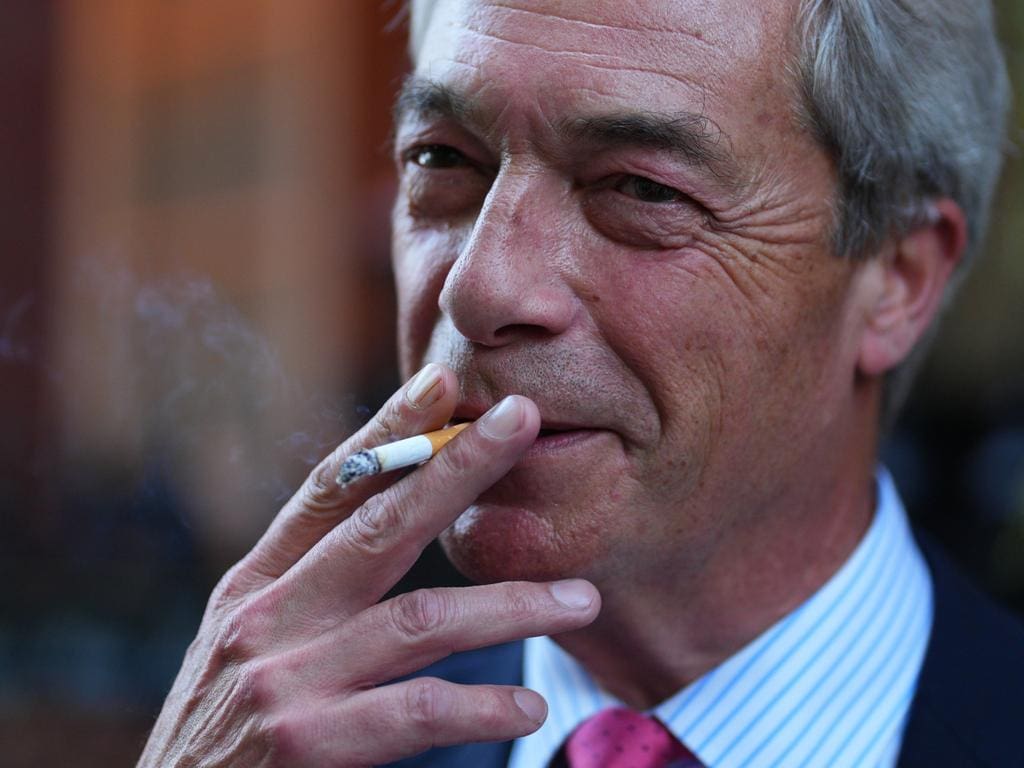
Reform UK’s pledge to scrap Britain’s generational smoking ban is not just reckless; it is a gift to one of the deadliest industries on earth. At a time when the UK stands on the brink of creating a “smoke-free generation”, Reform’s position aligns disturbingly closely with the long-documented playbook of Big Tobacco: delay, dilute, and derail.
The proposed ban, embedded in the Tobacco and Vapes Bill, would make it illegal for anyone born after 2009 to ever legally purchase cigarettes, an historic public health measure designed to reduce addiction, disease, and premature death. Yet Reform UK, led by Nigel Farage, has vowed to dismantle it, parroting familiar industry talking points about “choice”, enforcement difficulties, and illicit trade.
This is not happening in a vacuum. Evidence already points to an uncomfortable proximity between Reform UK and tobacco-linked interests. At the party’s 2025 conference, representatives connected to major tobacco firms and pro-smoking lobby groups were not just present; they were embedded in discussions and sponsorship structures. One fringe event was backed by Japan Tobacco, while another platformed FOREST, a group funded by tobacco companies and dedicated to opposing regulation.
This ecosystem of influence is not accidental. It reflects a broader strategy that has been repeatedly exposed: the tobacco industry funds think tanks, cultivates political allies, and weaponises libertarian rhetoric to weaken life-saving legislation. Groups like the Adam Smith Institute, which has received tobacco funding, have long argued against regulation under the guise of free markets. Meanwhile, front organisations such as FOREST present themselves as grassroots defenders of “freedom” while quietly advancing corporate interests.
The consequences of this lobbying are not abstract. Tobacco remains the leading cause of preventable death in the UK, responsible for tens of thousands of deaths each year and billions in NHS costs. Health experts have repeatedly warned that industry interference is designed to “undermine democracy” by drowning out public health voices with vast corporate resources. England’s Chief Medical Officer has explicitly urged politicians to ignore these “paid lobbyists” whose profits depend on addiction and disease.
Reform UK’s stance fits this pattern with alarming precision. By opposing the generational ban, the party is not offering a credible alternative; it is reopening the door to a product that kills up to half of its long-term users when used as intended. The claim that there are “better ways” to stop young people smoking rings hollow when the most effective measure, preventing uptake entirely, is being actively dismantled.
Even more troubling is the intersection with private healthcare ideology. Weakening tobacco regulation does not just benefit cigarette manufacturers; it entrenches a system where preventable illness becomes a profitable market. The more people smoke, the greater the burden on public services and the louder the calls from the right to privatise, outsource, or cut the NHS. In this sense, Reform’s policy is not just about smoking; it is about reshaping the very foundations of public health in Britain.
There is a grim irony at the heart of this debate. The same political forces that rail against “nanny state” interventions are quietly enabling one of the most exploitative industries in history, an industry that has spent decades manipulating science, targeting young people, and obscuring the lethal consequences of its products.
Reform UK can dress this up as a defence of personal freedom. But the reality is far starker. Scrapping the generational smoking ban would not empower individuals; it would empower corporations whose business model depends on addiction, illness, and early death.
In siding against one of the most ambitious public health measures in modern British history, Reform UK is not challenging the establishment. It is serving it, specifically, the well-funded, deeply entrenched interests of Big Tobacco.