

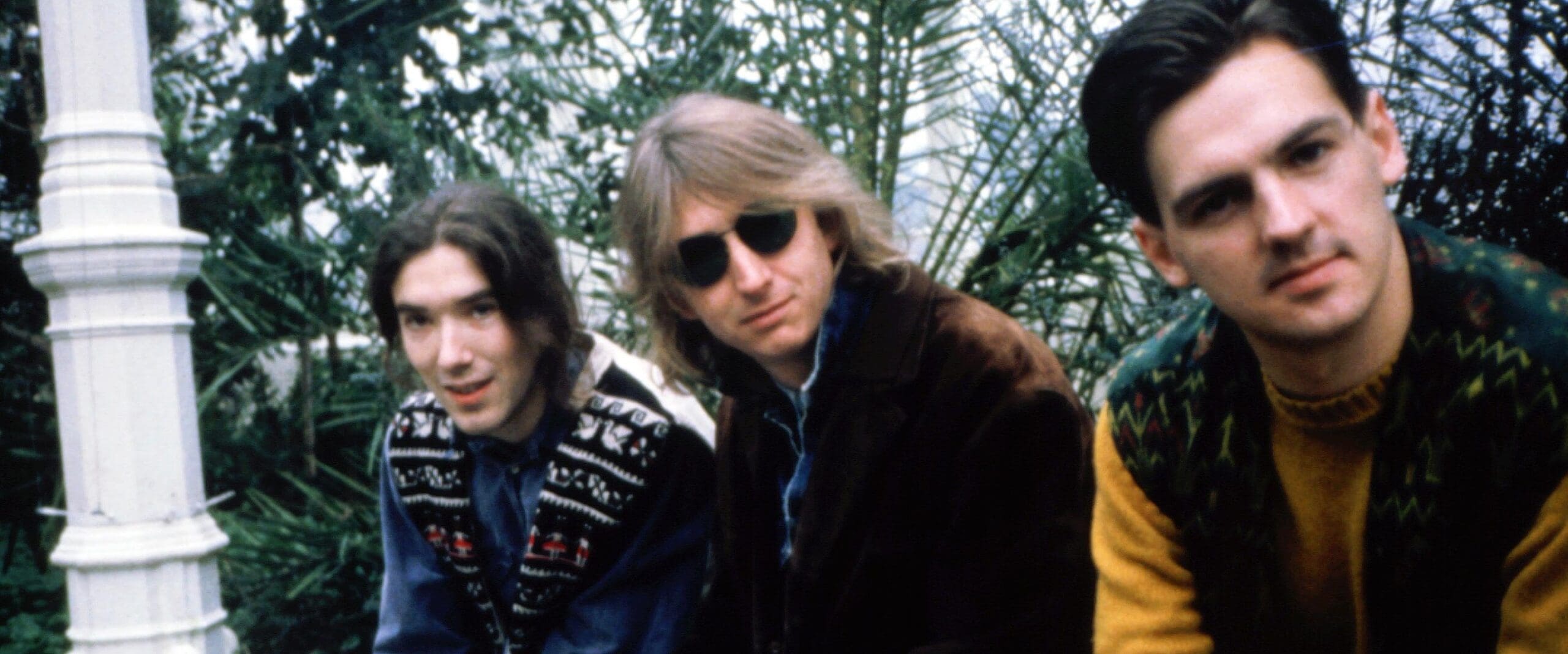
Mark Hollis died in February 2019 at the age of 64; his passing marked quietly, much like the life he had chosen to live. There were no grand public statements, no industry retrospectives orchestrated for effect, just an outpouring of genuine respect from musicians and listeners who understood what he had given and what he had withheld. His death did not close a chapter so much as seal it: a life lived in deliberate resistance to noise, fame and excess. Hollis left behind a body of work defined by moral seriousness, humility and an almost radical attentiveness to silence; music that continues to breathe, precisely because he knew when to stop.
The modern music industry loves a myth: that success is measured in visibility, productivity and relentless self-promotion. Mark Hollis spent his career quietly dismantling that idea, then walked away from it altogether. For that alone, he should be celebrated. For the music he made along the way, he should be revered.
Talk Talk began life as a synth-pop band in the early 1980s, often lazily lumped in with the New Romantic scene. They delivered hits — It’s My Life, Such a Shame, Life’s What You Make It — and by any conventional industry metric they had “made it”. But rather than cashing in, Hollis did something profoundly unfashionable: he lost interest in success.
What followed was one of the most extraordinary acts of artistic refusal in popular music.
Walking Away From the Hit Machine
By the time of Spirit of Eden (1988) and Laughing Stock (1991), Talk Talk had ceased to function as a pop band at all. These records rejected hooks, choruses and commercial logic. They were slow, sparse, improvised, often recorded in near darkness. Silence mattered as much as sound. Musicians were brought in and sent away. Takes were abandoned. The process was expensive, painstaking and wilfully indifferent to chart placement.
The record industry hated it.
EMI famously tried to sue the band for delivering something unmarketable. Radio stations didn’t know what to do with the music. Critics were initially baffled. But Hollis did not blink. He wasn’t interested in explaining himself, smoothing the edges, or compromising for an audience he no longer wished to be courted by.
In an era increasingly defined by marketing departments, Hollis treated art as something private, fragile and resistant to intrusion.
The Radical Act of Disappearing
Then he did the unthinkable: he stopped.
After Talk Talk dissolved, Hollis released one self-titled solo album in 1998, an even quieter, more austere work and then withdrew almost entirely from public life. No tours. No interviews. No comeback albums. No nostalgia circuit. No brand partnerships. No monetised legacy.
In today’s attention economy, this feels almost subversive.
We are encouraged to believe that artists owe us constant output, constant access, constant explanation. Hollis rejected that premise entirely. He did not treat his career as a content stream. He did not turn himself into a personality. He did not trade mystery for relevance.
Instead, he chose domestic life, anonymity and silence.
That choice, to stop speaking when the world demands noise, is one of the most powerful artistic statements of the last half-century.
Why This Matters Now More Than Ever
In a time when musicians are algorithmically nudged towards sameness, when touring schedules are brutal, when “engagement” trumps integrity, Hollis stands as a reminder that art does not exist to feed a machine.
Talk Talk’s later work laid the foundations for what would later be called post-rock, influencing bands like Radiohead, Bark Psychosis, Sigur Rós and Mogwai. Yet Hollis never chased legacy or credit. The influence arrived despite him, not because he sought it.
His belief was simple and quietly devastating: music should be made because it needs to exist, not because it needs to sell.
That philosophy now feels almost utopian.
Celebrating the Refusal
We should celebrate Mark Hollis not just for the beauty of Spirit of Eden or Laughing Stock, but for the courage it took to make them and then to walk away.
He showed that success does not have to end in self-exploitation. That an artist’s greatest act may be knowing when to stop. That silence, carefully chosen, can be louder than any anthem.
In a culture addicted to more—more content, more output, more noise—Hollis offered less. And in doing so, he gave us something rare: music that feels untouched by commerce, time, or ego.
Life’s what you make it, Talk Talk once sang.
Mark Hollis made his life and his art on his own terms. That is not a footnote in music history. It is a lesson.







