The deadliest small-boat disaster ever recorded in the English Channel did not happen in a vacuum. It happened on the Conservative Party’s watch, after years of warnings, underinvestment and political posturing and an inquiry has now confirmed that many of the deaths could have been prevented.
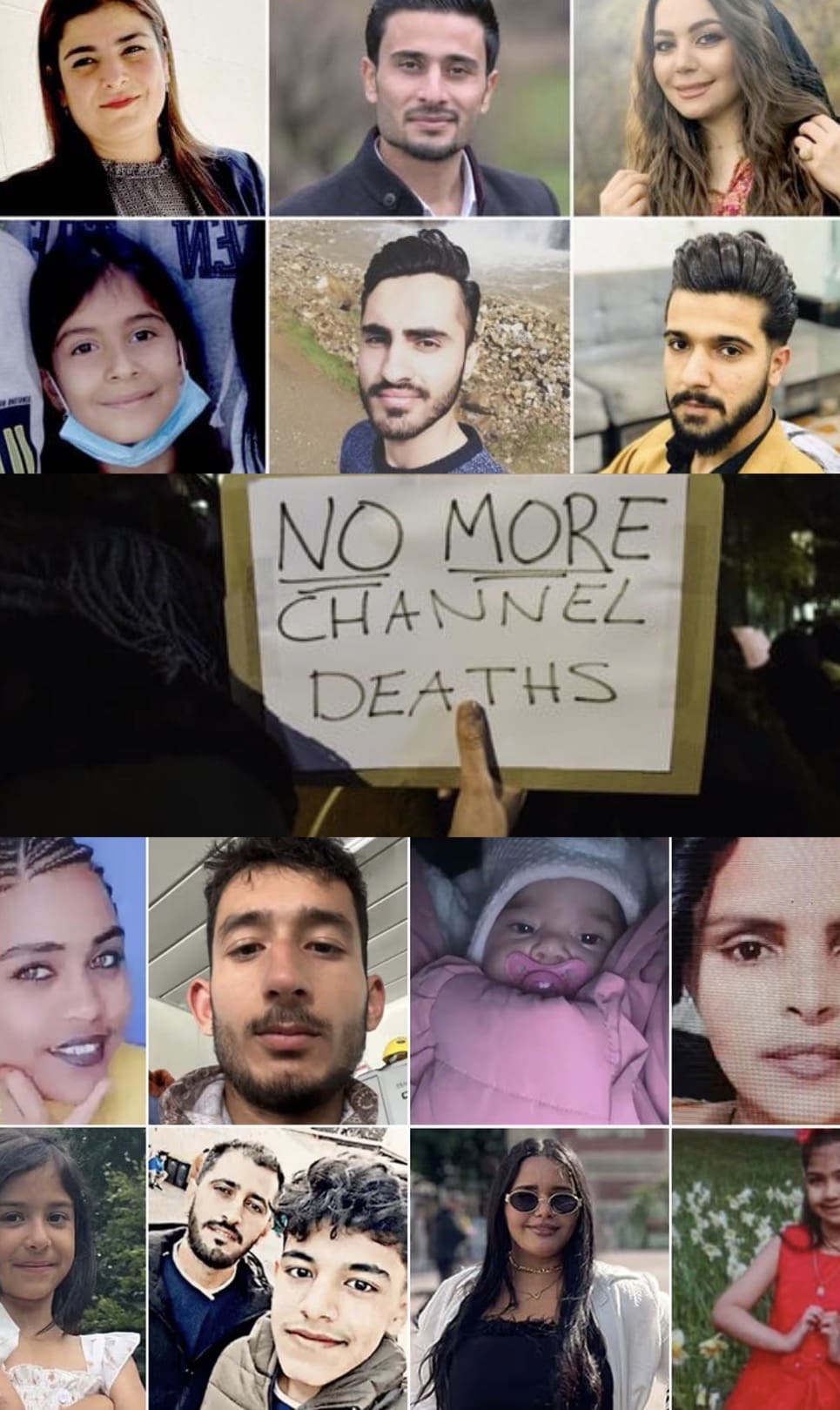
More than 30 people died in the early hours of 24 November 2021 when an overcrowded inflatable boat capsized while attempting to cross from France to the UK. Only two people survived. Twenty-seven bodies were recovered and four others are presumed dead. According to the public inquiry chaired by Sir Ross Cranston, the loss of life was “avoidable” and marked by “systemic failure on the part of government”.
At the time, the UK was led by Boris Johnson’s Conservative government, which had spent years framing Channel crossings primarily as a political problem rather than a humanitarian and safety one. The inquiry found that long-standing and well-known failings within HM Coastguard, particularly chronic staff shortages at Dover, were left unaddressed, even as crossings increased and rescue demands intensified.
Sir Ross concluded that HM Coastguard staff were placed in an “intolerable position”, overwhelmed and under-resourced on one of the busiest nights on record. These deficiencies directly contributed to the failure to rescue people in the water. The problems were not new, the report stressed; they had been known about “for some time”, yet no meaningful action had been taken. That inaction, the inquiry said, amounted to a significant failure of government.
The tragedy was compounded by missed opportunities. A French warship, Flamant, was just 15 minutes away when a Mayday was broadcast, at a point when the boat was still intact. While the reasons for the vessel’s failure to respond remain subject to a French criminal investigation, the inquiry was blunt: had it attended, “many more and possibly all lives would have been saved”.
Within the UK response, the inquiry exposed a deeply troubling mindset. A widely held belief that people on small boats exaggerated their distress negatively influenced rescue decisions. As a result, after the final distress call was made at 3.11am, the possibility that everyone on board had already entered the water was not seriously considered. The search effort was scaled back, and critical hours were lost.
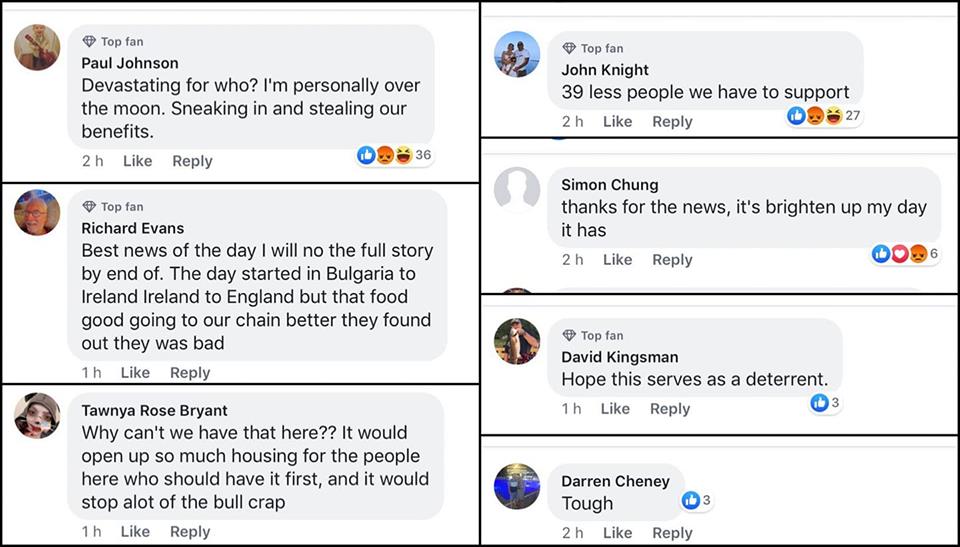
How some Daily Mail readers and Jacob Rees-Mogg supporters responded:
One survivor, Issa Mohamed Omar, told the inquiry he clung to the wreckage through the night, hearing people scream in the darkness. As dawn broke, he believed around 10 people were still alive. “If rescue would come quickly, half of those would still be alive today,” he said. His testimony cut through the statistics to reveal the human cost of delay, doubt and neglect.
Yet the inquiry does not end with condemnation alone. Sir Ross acknowledged that much has improved since 2021. Search and rescue coordination has been strengthened, resourcing has increased, and operational practices have changed. Eighteen recommendations have been made to further improve safety, not just for small-boat crossings but for maritime rescue more broadly.
That progress, however, only sharpens the central indictment. If improvements were possible after the disaster, they were possible before it. The deaths in the Channel were not inevitable; they were the consequence of political choices, priorities and failures made under Conservative leadership.
The lesson of November 2021 is not simply that small-boat crossings are dangerous, that much was already obvious. It is that when government treats human lives as a problem to be managed rather than people to be protected, the cost is measured in bodies recovered from cold water. The fact that things are better now is welcome. The fact that it took a preventable mass death to force change is not.