Proponents argue that nationalising water companies offers significant public benefits. By removing the obligation to generate shareholder profits, a state-run system could reinvest all revenue directly into infrastructure, potentially leading to lower customer bills and accelerated spending on fixing leaks and upgrading sewage systems. Furthermore, nationalisation could foster a greater emphasis on long-term environmental sustainability and water security, as the primary motive shifts from commercial gain to public service. This model, it is argued, would create a more unified and accountable water network, prioritising universal access and quality over financial returns.
South West Set for Steepest Water Bill Hikes After Regulator Ruling
Households and businesses across Dorset and the wider South West are facing the largest increases in their water bills after a watchdog granted several companies permission to charge more than originally planned.
The Competition and Markets Authority (CMA) was brought in to settle a dispute between five water firms—Anglian Water, Northumbrian Water, South East Water, Southern Water, and Wessex Water—and the industry regulator, Ofwat. The companies had argued that Ofwat’s initial limits on what they could charge customers between 2025 and 2030 were too low.
In a provisional decision announced on Thursday, the CMA agreed to allow the firms to recover an extra £556 million in revenue. This is expected to result in an average bill increase of 3% on top of the already significant 24% rise previously approved by Ofwat.
Wessex Water Customers Hit Hardest
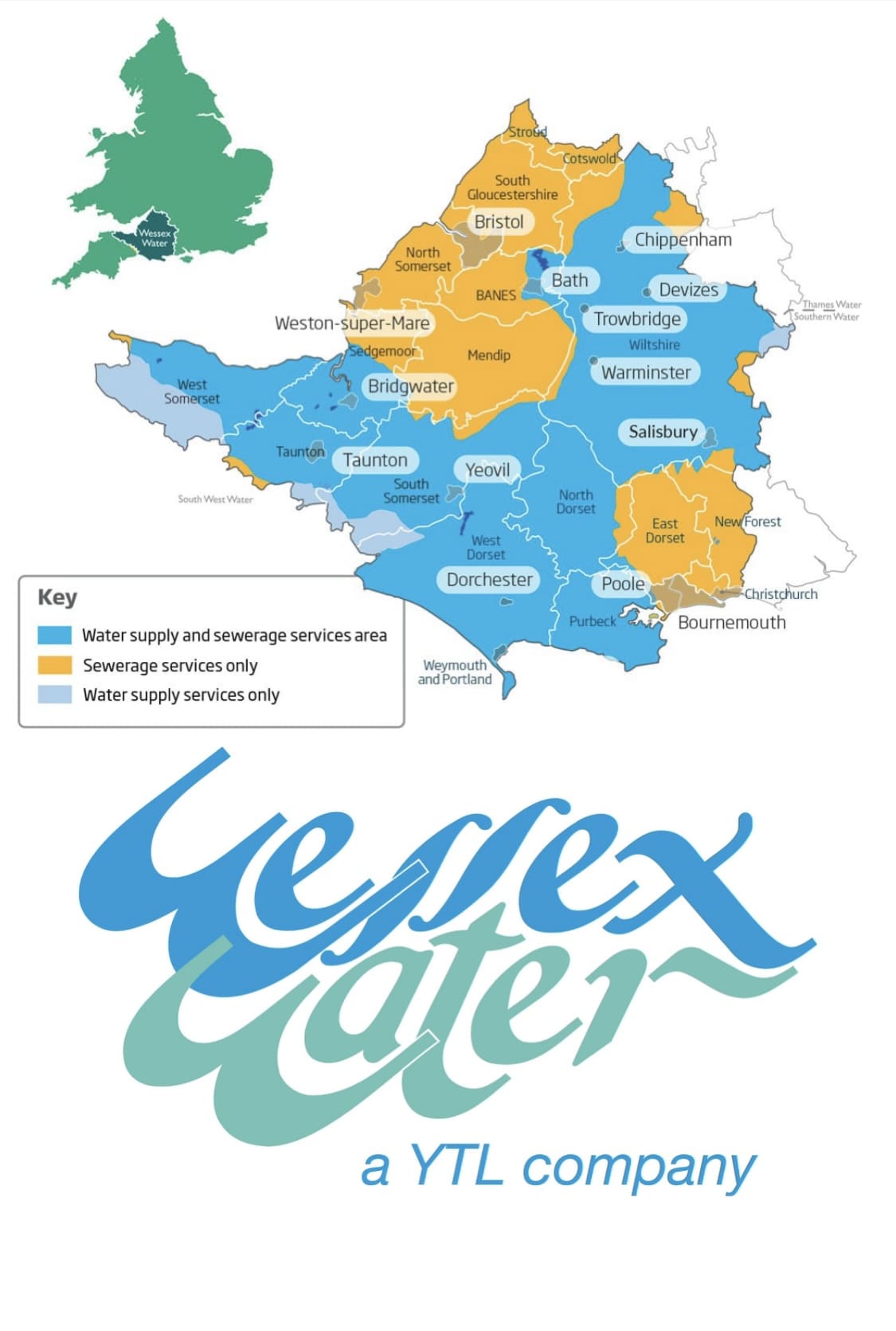
The ruling hits customers of Wessex Water, which covers much of the South West including Dorset, the hardest. They are now facing an additional 5% increase on top of the original hike. This would push the average annual bill to £622.
The breakdown for the other disputing companies is:
- South East Water: 4% additional increase
- Southern Water: 3% additional increase
- Anglian and Northumbrian Water: 1% additional increase
The water companies had appealed to the CMA, claiming that Ofwat’s original settlement did not provide enough funding to meet their regulatory requirements. They argued that more money was needed to pay for crucial upgrades to infrastructure, such as storm drains, pipelines, and storage capacity.
“Bill Increases Largely Unjustified”
Kirstin Baker, chair of the CMA’s independent panel, stated: “We’ve found that water companies’ requests for significant bill increases, on top of those allowed by Ofwat, are largely unjustified. We understand the real pressure on household budgets and have worked to keep increases to a minimum, while still ensuring there is funding to deliver essential improvements at reasonable cost.”
The water industry, however, defended the appeal process. A spokesperson for Water UK said the CMA’s move “overturns the limits set by Ofwat for how much five companies can invest” and that the process was “unfortunately necessary to secure the investment our economy and environment need.”
The news comes amid ongoing public outrage over sewage spills and executive bonuses in the water sector. In response, Water Minister Emma Hardy said: “I understand the public’s anger over bill rises – that’s why I expect every water company to offer proper support to anyone struggling to pay.”
She also confirmed government plans to replace Ofwat with a new, tougher regulator to “clean up our waterways and restore trust in the system.”