

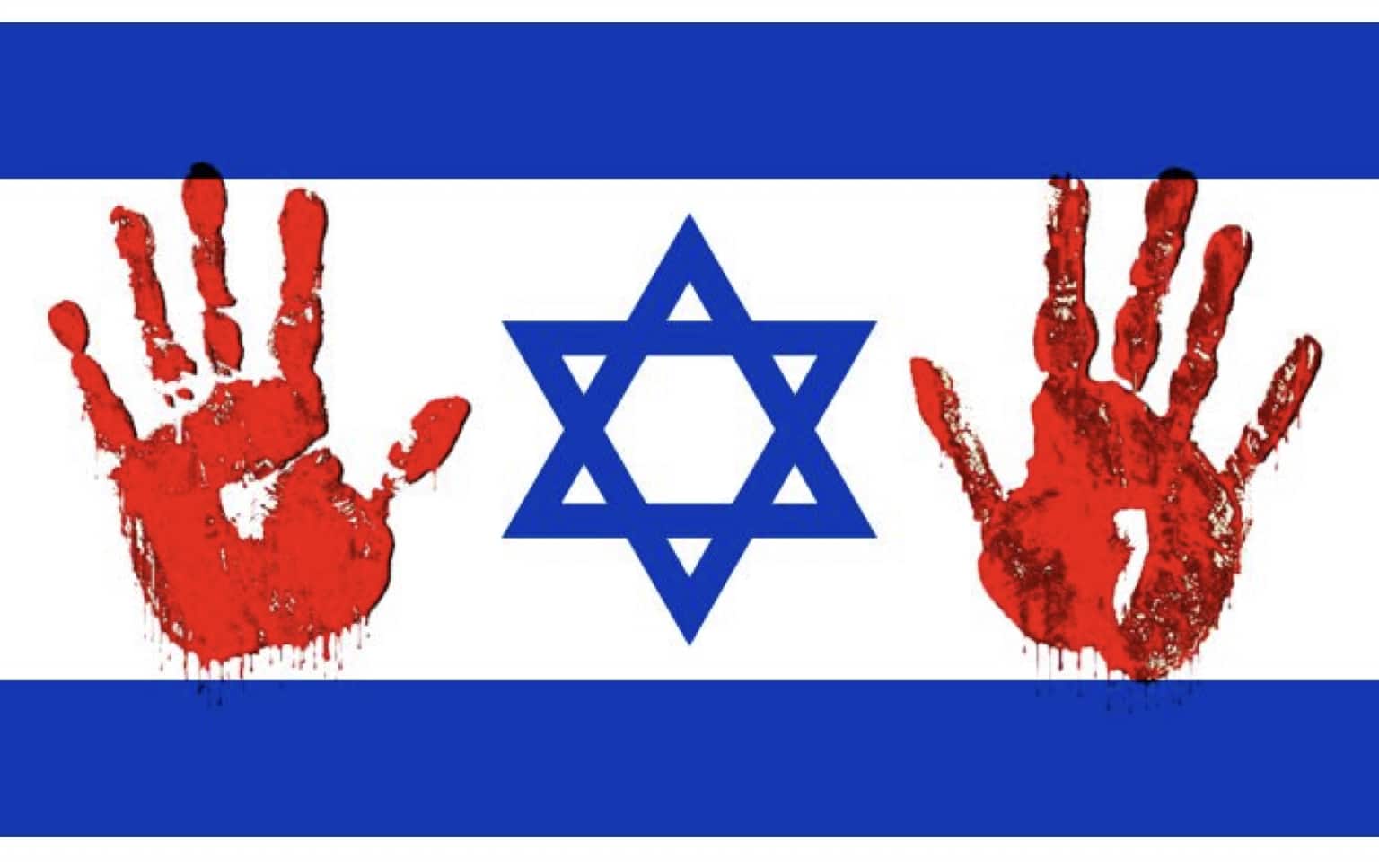
Desecration, Disrespect, and Denial: The Ongoing Crisis Over Palestinian Bodies and the Erosion of International Law
The taste of grief in Gaza has long been salt and ash; now a deeper, more visceral horror has gripped families whose loved ones have been killed in the two‑plus years of conflict. As bodies of Palestinians, many blindfolded, bound, badly damaged, or unidentifiable, have been returned by Israeli authorities under a fragile ceasefire deal, the condition of those remains has sparked a storm of outrage, accusations, and demands for justice.
British surgeon reveals the shocking reality:
🚨 BREAKING:
— Jvnior (@Jvnior) February 5, 2026
🇬🇧 British surgeon who returned from Gaza EXPOSES a shocking truth about israeli army:
He says: “Palestinian bodies of children returned with hearts, lungs, and livers removed” pic.twitter.com/y7xlsH3w4H
In October and November 2025, hundreds of bodies and human remains were transferred via the International Committee of the Red Cross (ICRC) from Israeli custody to hospitals in Gaza. Gaza’s Health Ministry reported that only a fraction have been identified by families, while many arrive in storage bags without clear identity tags and in states of distortion so severe that DNA, dental records, or familial recognition are required to establish identity.
Shocking Allegations and Serious Doubts
Gaza authorities have gone further than describing grotesque physical damage. Officials including Ismail Thawabta, director of Gaza’s government media office, have publicly accused Israel of removing organs from Palestinian bodies while in custody, labelling it a “barbaric crime” and calling for an international investigative committee to probe what they allege is theft of human tissue.
Reports from local and regional media have cited medical personnel, including respected British‑Palestinian surgeon Dr. Ghassan Abu Sittah, asserting that organs such as heart, lungs, kidneys, liver, and corneas appear to have been surgically removed from some bodies and that these are precisely the organs routinely used in transplant operations. If accurate, he says, such surgical precision is “highly indicative of organ harvesting” rather than battlefield damage.
Ccredible reporting by international outlets confirms the disturbing condition in which many bodies have been returned, including signs consistent with torture, binding, and severe physical damage beyond what might be expected from ordinary combat deaths. Some graves exhumed in Gaza show bodies with injuries that raise questions about the circumstances of death and treatment of remains.
International Law on Respect for the Dead
Whatever the ultimate truth behind the most extreme allegations, international humanitarian law (IHL) sets out strict and unequivocal protections for the dead in armed conflict, protections that are far more robust than public debate often reflects.
Under the Geneva Conventions and customary IHL, the bodies of the dead must be treated with dignity, protected against mutilation and despoilation, and identified and handled in a respectful manner. The ICRC’s Advisory Service on the Protection of the Dead explains that:
- Parties to armed conflict must take “all possible measures to prevent the dead from being despoiled.”
- Ill‑treatment and mutilation of dead bodies is prohibited.
- There is an obligation to identify the dead and respect burial rites and to return remains or pertinent data to next of kin where possible.
Customary law elaborates that “mutilation and pillage of the dead … constitute war crimes under customary IHL” and are subject to individual criminal responsibility when committed in conflict. The Rome Statute, which established the International Criminal Court (ICC), codifies that outrages upon personal dignity against persons taking no active part in hostilities, including dead bodies, are war crimes.
Geneva law is clear: the dead must not be desecrated, mutilated, exploited, or disrespected, whether they are combatants, civilians, or members of armed groups no longer participating in hostilities.
This framework reflects not only legal necessity but also the universal human imperative that death must not be compounded by indignity.
What Legal Experts Say: Caution and Accountability
Leading legal voices underscore both the gravity of the allegations and the imperative for rigorous evidence:
- Sir Geoffrey Nice KC, a former British judge and international prosecutor, has emphasized that reports of bodies missing organs, even if deeply disturbing, must be documented comprehensively and subjected to forensic analysis before legal conclusions are drawn. Without chain‑of‑custody evidence and independent verification, claims of organ harvesting cannot be established as legal fact.
- Human rights lawyers and scholars point out that claims involving organs removed surgically invoke not only IHL but medical ethics principles that prohibit any non‑consensual removal of tissue or organs, especially outside direct therapeutic need or documented research oversight.
Legal analysis also notes that common Article 3 of the Geneva Conventions, applicable to conflicts not of a strictly international character, explicitly forbids mutilation, cruel treatment, and outrages upon personal dignity, including ill‑treatment of detainees and those hors de combat. These protections extend to the dead and those wounded who later die.
The Moral and Human Dimension
For the families in Gaza who have watched coffins opened only to reveal unrecognizable remains; for those still awaiting the return of loved ones; for entire communities stripped of closure, the legal language of Geneva reads like a plea for basic humanity. The angry demand isn’t merely for legal reckoning but for dignity: dignity in death and respect for the cores of lives once lived.
Critics argue that even where allegations exceed what has been independently verified, the patterns of reported abuse, lack of transparency, and absence of full forensic access exacerbate distrust and deepen the wound. Without impartial investigation and clear answers, public outrage fills the vacuum that law and evidence should occupy.
Truth, Forensic Scrutiny, and Justice
The stakes here are not simply political or rhetorical. They touch the very foundations of how international law functions in crisis:
- Truth must be established through impartial, documented investigation — not through hearsay, social media claims, or one‑sided narratives.
- Forensic experts must be granted access to examine remains and circumstances with the cooperation of all parties and neutral oversight.
- Violations of dignity — whether proven war crimes or systemic disrespect — must be transparently documented for justice to be pursued in international or domestic courts.
What the world has witnessed so far underscores an urgent crisis, not just of bodies left in plastic bags with no names, but of the erosion of the very safeguards meant to protect human dignity in war. And as institutions such as the ICRC and UN human rights mechanisms continue to press for investigation and accountability, it is that dual commitment to truth and humanity that must prevail over propaganda, denial, or despair.
In the nexus of conflict, death should not become another battlefield. Only through forensic truth and the full application of international law can families be afforded the clarity and dignity denied to them so far.







