

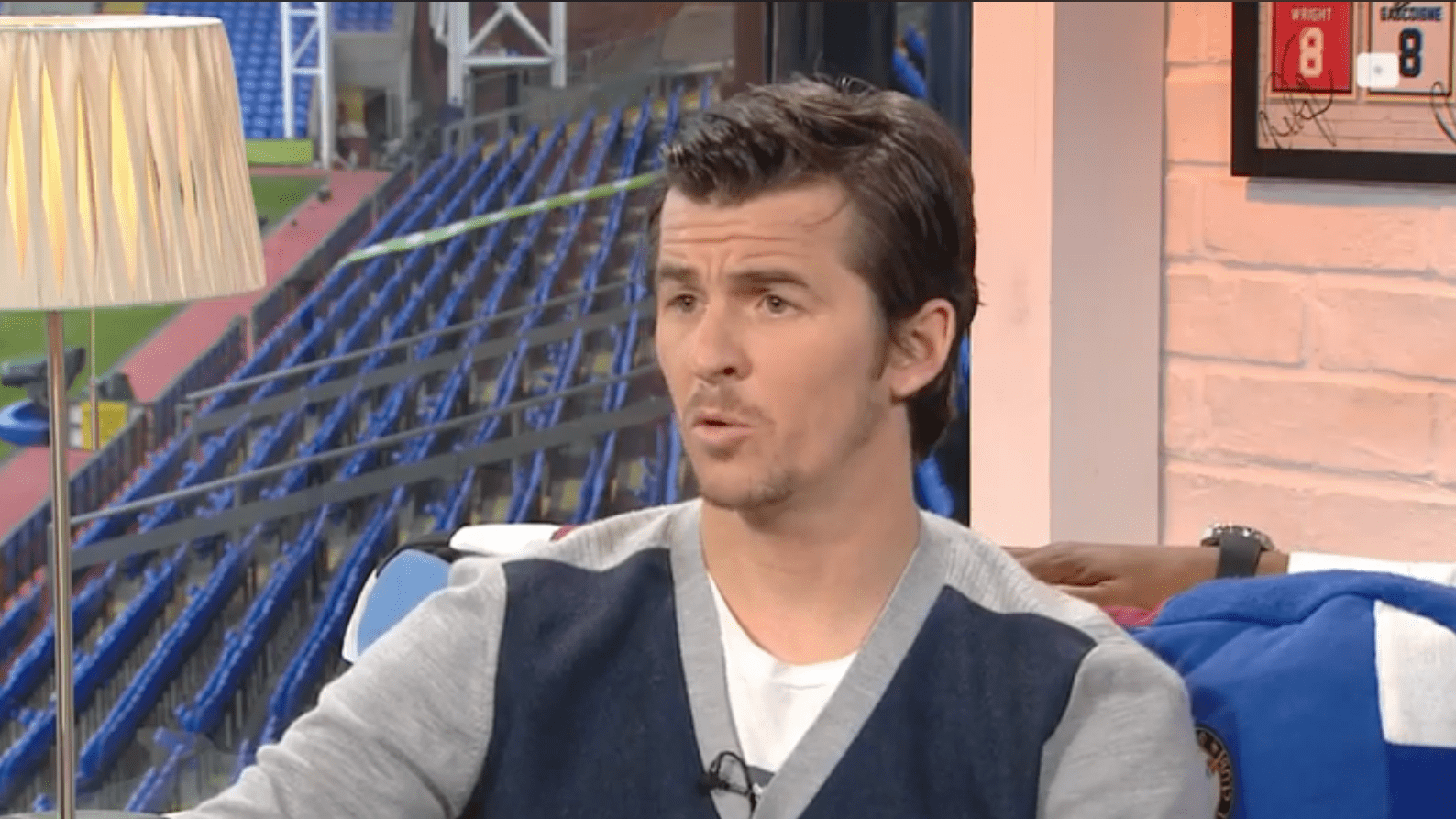
Following his conviction last month
Retired footballer Joey Barton has once again found himself in the spotlight for all the wrong reasons. This week, the 43-year-old former Manchester City, Newcastle United and Rangers midfielder received a six-month prison sentence—suspended for 18 months—after being found guilty of sending grossly offensive online communications intended to cause distress or anxiety. His sentencing at Liverpool Crown Court marks a decisive and necessary condemnation of behaviour that has no place in public discourse.
Barton, who has a substantial online following of 2.5 million, had framed the case as a “political prosecution”, claiming his incendiary posts were merely attempts to “get clicks and promote himself”. But the jury rejected that narrative, concluding he had “crossed the line between free speech and a crime”. Their verdict sends a clear message: influence does not grant impunity, and deliberate cruelty cannot hide behind the banner of banter.
Between January and March last year, Barton targeted football pundits Eni Aluko and Lucy Ward, as well as broadcaster Jeremy Vine, in a series of posts ranging from defamatory insinuations to deeply personal attacks. Despite being cleared of six charges, he was convicted of six others—several of which showed a calculated intent to demean and distress.
One of the most egregious examples was a post in which Barton superimposed Aluko’s and Ward’s faces onto an image of serial murderers Fred and Rose West. The prosecution described this as behaviour “beyond the pale of what is tolerable in society”, and the jury agreed. he also paired Aluko with dictators Joseph Stalin and Pol Pot in another post, a comparison the jury did not deem criminally offensive but which nevertheless exemplified his penchant for degrading and inflammatory rhetoric.
His attacks on Jeremy Vine were equally disturbing. After Vine questioned whether Barton might have a “brain injury”, Barton responded with a post calling him a “big bike nonce” and alluding to Jeffrey Epstein—an unmistakable and baseless insinuation of sexual misconduct involving children. Barton attempted to defend such statements as “dark and stupid humour”, but the court made clear that these were not harmless jokes—they were targeted personal smears.
In sentencing, Judge Andrew Menary KC drew an essential line in the sand: “Robust debate, satire, mockery and even crude language may fall within permissible free speech. But when posts deliberately target individuals with vilifying comparisons to serial killers or false insinuations of paedophilia… they forfeit their protection.” His words underscore a vital principle: freedom of expression does not extend to calculated harassment.
Barton’s conduct represented a sustained campaign of online abuse, made all the more egregious by the platform he enjoys as a public figure. With influence comes responsibility, and Barton used his for the opposite purpose—to bully, belittle and provoke distress.
Alongside the suspended sentence, Barton received a two-year restraining order barring him from contacting Aluko, Ward or Vine, or referring to them on social media or broadcast platforms. He must also complete 200 hours of unpaid community work and pay £23,419 in prosecution costs.
This outcome is not only a legal judgement but a moral one. It affirms that online platforms are not arenas for unchecked hostility and that even high-profile figures will be held accountable when they choose abuse over discourse. Barton’s behaviour was not commentary, not satire, and certainly not humour—it was cruelty, and the court was right to call it what it was.







