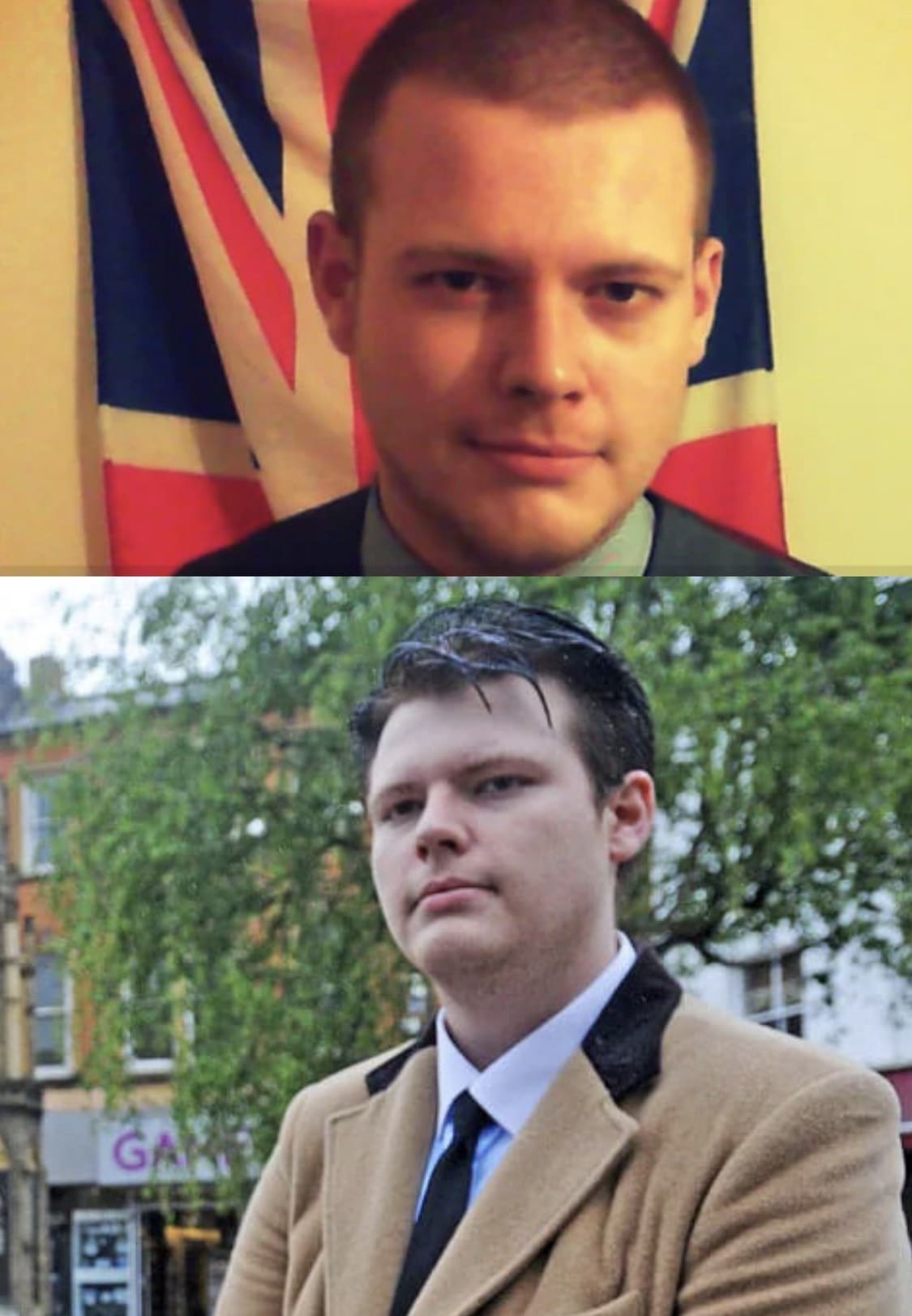
The anonymous figure behind the viral Crewkerne Gazette social media account, known for AI-generated videos depicting British politicians singing altered pop lyrics, has been identified as Joshua Bonehill-Paine, a man previously jailed for serious antisemitic hate crimes.
Channel 4 News revealed that Bonehill-Paine, 33, was the creator of the X account that produced doctored videos of Keir Starmer, Angela Rayner and Andy Burnham performing spoof versions of songs by Amy Winehouse, Barry Manilow and Elton John. The slickly produced clips won praise in sections of the media and were shared by prominent political figures. But the identity of their creator tells a far darker story.
Bonehill-Paine is no fringe internet troll with a handful of offensive posts to his name. He was convicted and imprisoned for inciting racial hatred against Jewish people after attempting to organise protests in heavily Jewish areas of north London in 2015. One rally in Stamford Hill was billed as a demonstration “against the complete Jewification of the borough.” Another planned protest in Golders Green was promoted with a cartoon image of Adolf Hitler and the phrase “an absolute gas.” For those crimes, he was sentenced to three years and four months in prison.
His record did not end there. In 2016, he was convicted of racially aggravated harassment against the then Labour MP Luciana Berger, who is Jewish. Bonehill-Paine had published vile abuse, describing Berger as a “rodent” and “evil money-grabber,” and posted a manipulated image of her face superimposed onto a rat. He received a further two-year prison sentence, added to his existing term.
Before his imprisonment, Bonehill-Paine openly described himself as a “nationalist, fascist, theorist and supporter of white rights.” He also promoted fabricated stories designed to inflame racial tensions, including false claims about a pub excluding British armed forces personnel “to avoid offending immigrants,” and about a six-year-old allegedly abducted by an “Asian grooming gang.” These were not jokes or satire. They were deliberate attempts to provoke anger and division.
Now, however, Bonehill-Paine insists he has changed.
He has told media outlets that he no longer holds antisemitic views and has expressed what he calls “a deep affection for Israel.” He says he completed the government’s Prevent awareness course and has spent recent years working in counter-extremism education. In a recent YouTube video, he stated that he felt “very angry” at himself for how he treated the Jewish community and had worked with schools, colleges, probation services and police to prevent others from following his path.
He also told Channel 4 News that he intends to continue that work, saying he hopes to stop others from making the same mistakes he did.
There is, of course, a serious question here about rehabilitation. The justice system exists not only to punish but also to reform. Individuals who have committed hate crimes and served their sentences are entitled to rebuild their lives, provided their remorse is genuine and their behaviour demonstrably changed.
Yet the revelation raises uncomfortable issues.
The Crewkerne Gazette account was lauded in parts of the press. The Sun featured one of its videos. The Times dubbed its anonymous creator the “Banksy of politics.” GB News interviewed him on air days before his past was exposed. Politicians, including Jacob Rees-Mogg shared its content, while Adam Dance, the Liberal Democrat MP for Yeovil, praised the account’s use of AI as a means of engaging audiences with politics, later clarifying he had no knowledge of who was behind it and condemning antisemitism unequivocally.
The episode exposes a wider vulnerability in modern political culture. Anonymous accounts can build influence rapidly through novelty, humour and technical polish. AI-generated satire blurs the line between parody and manipulation. Media outlets, hungry for viral content, often amplify without due diligence. Politicians share without asking who is behind the curtain.
That curtain, in this case, concealed a man with a documented history of extreme racist agitation and criminal harassment.
Bonehill-Paine now presents himself as reformed, a former extremist turned educator. If his transformation is sincere, that is to be welcomed. But trust is not granted by self-description alone. It is earned over time, through consistent actions and accountability.
The broader lesson is clear. In an era where AI tools allow individuals to shape political discourse anonymously and at scale, transparency matters. So does scrutiny. The viral “Banksy of politics” turned out not to be a mischievous creative genius but someone whose past includes some of the most grotesque antisemitic incitement seen in British political life in recent years.
Rehabilitation is possible. Forgetfulness is not.