The following is inspired by an article by George Monbiot
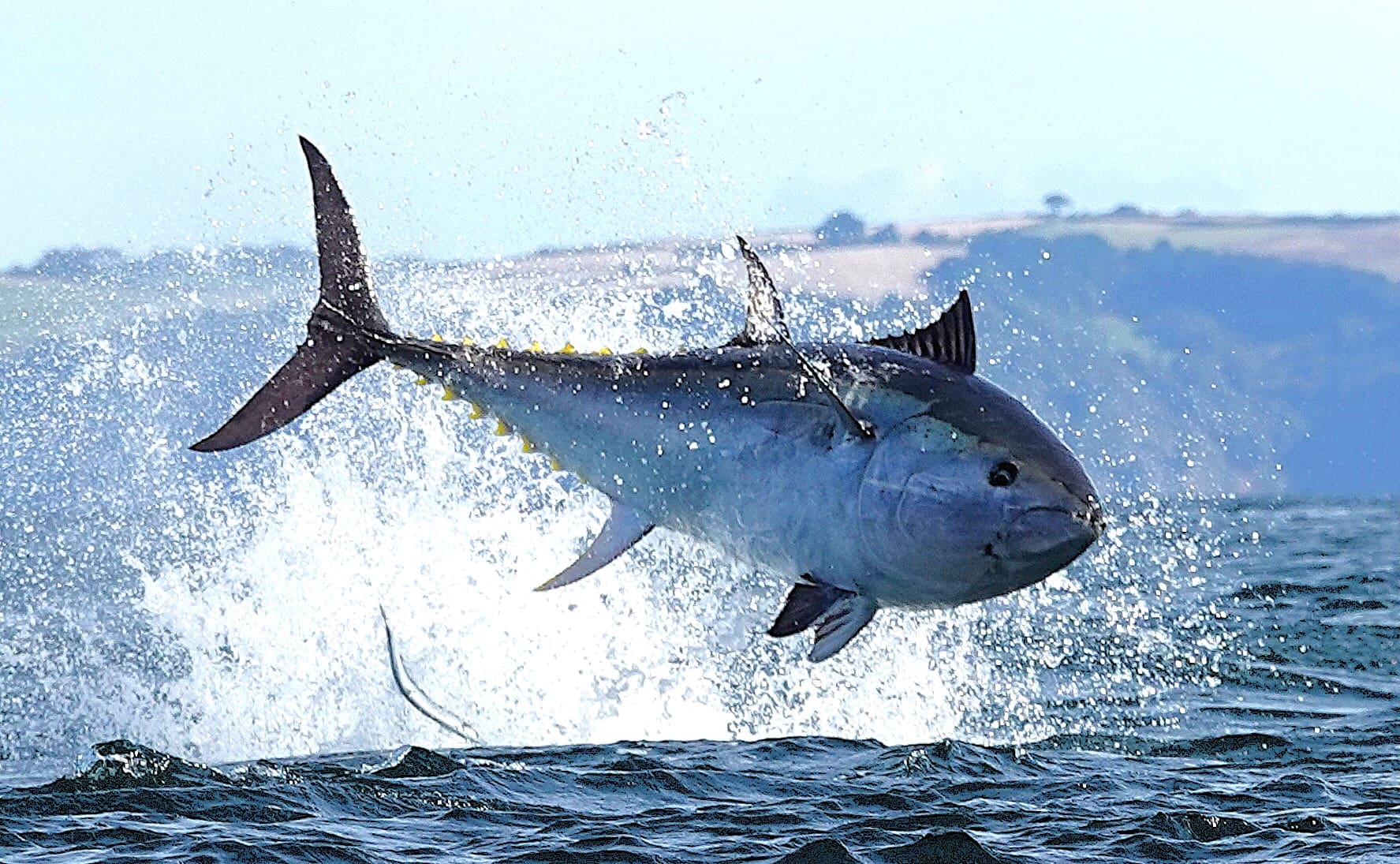
A marvellous ecological event is unfolding around our shores. Bluefin tuna, magnificent, warm-blooded giants of the deep, are returning to UK waters in numbers not seen for generations. It is a rare and thrilling story of natural recovery. But in modern Britain, such a wonder can mean only one thing: a new opportunity for pathetic inadequates to use nature as a test of their manhood.
Welcome to the world of recreational tuna fishing, the UK’s answer to bullfighting. In places like Falmouth, Cornwall, this burgeoning “sport” sees anglers—often paying customers—strapped into harnesses and fighting chairs, “playing” a hooked tuna to exhaustion. The fight is one-sided, often lasting an hour or more, until the mighty fish is utterly spent. The angler’s role? To hold on while the boat’s skipper does the hard work of finding the fish. It is a risk-free, deeply pathetic form of macho gratification, a way for plastic warriors to find an IRL game they can play from a seat.
And of course, the government is fuelling this boom. The number of licences has skyrocketed, a decision we are told is responsible. But ask for the science behind it and you find a void. The government admits it has “no estimates of the number of bluefin tuna in UK waters.” Studies on what happens to these fish after they are released? Virtually non-existent here.
The best evidence we have, from Australia, suggests a post-release death rate of at least 17%. But that’s in ideal, scientific conditions. In the real world, where the testosterone flows as freely as the sea, marine ecologists warn the mortality is likely far higher. Why? Because these partially warm-blooded athletes overheat during their prolonged struggle. Their muscle cells die from oxygen loss. To survive, they need to dive deep into cooler water immediately upon release.
This is where the farce of regulation begins. The government’s own partnership, Thunnus UK, advises releasing tuna in water deeper than 50 metres. The official code of conduct, however, brokered with the recreational fishing lobby, sets the bar at a weaker 40 metres. Why? Perhaps because many of the inshore hot-spots aren’t 50 metres deep. I have watched these boats operating within 100 metres of the shore, in water just 15 metres deep, releasing these overheating giants into a death-trap.
The welfare of the fish, tournament organisers claim, is “paramount.” This would be a radical departure from the carnage documented on the social media feeds of the anglers and charter companies themselves. Here, the code of conduct is thrown overboard.
You can watch videos of men going mad on adrenaline during multiple hook-ups, a practice the code says to avoid “immediately.” Charter boats boast of “double” or “triple hook-up carnage.” You see them using two-hooked lures, which the code forbids “under any circumstances.” They crow about fight times of 90 minutes, though the code warns anything over an hour “may compromise” survival. You see conventional gaffs—brutal large hooks—being used to haul the fish in, another banned practice.
The truth is out there, if you listen. One charter skipper on a podcast saw the “release shots” on social media and commented bluntly: “They’re fucked.” For the first time last year, commercial trawlers began hauling up dead bluefin in an advanced state of decomposition. This is no coincidence; it is the unseen toll of the recreational frenzy.
What could have been a powerful lobby to protect these incredible animals from commercial overfishing has instead become a Klondike-style rush to profit from male insecurity. As one principled Cornish fisher noted, when boats start competing to see who can catch the most in a single day, the proper revival of each fish becomes impossible. The pursuit of quantity over quality is a death sentence.
There is an alternative. We could choose wonder over warfare. We could build a new industry of tuna watching, employing local people and generating real income from tourists, photographers, and wildlife enthusiasts desperate to see these vast fish leaping from the water. I have stood on the coast and witnessed this spectacle—it is one of the greatest shows on Earth.
Given that this fishery is still in its infancy, we have a unique opportunity. We could, for once, get something right. We could declare our waters a sanctuary for the bluefin tuna, granting them the same protection we offer whales and dolphins. We could choose to be a haven for a marvellous giant, rather than just another place where it is hunted for a pathetic photo opportunity.