The arrest of Graham Linehan, the co-creator of Father Ted, over social media posts concerning trans rights has ignited a fierce public debate. It raises a critical question for every internet user in Britain: what exactly are the legal boundaries of online expression?
While figures like Elon Musk decry the arrest as evidence of a “tyrannical police state,” and Health Secretary Wes Streeting questions whether police are “getting the balance right,” the law itself provides a clear, if complex, framework. The UK’s legal system extends firmly into the digital world, meaning your online activity can have serious offline consequences.
Here’s a breakdown of the key areas where the law intervenes on what you can post, share, or say online.
Hate Speech and Harassment
It is illegal to post content intended to stir up hatred based on race, religion, sexual orientation, disability, or transgender identity. This includes abusive, threatening, and deeply offensive language intended to harass or intimidate.
The Online Safety Act 2023 has given authorities stronger powers to tackle such content. A stark example is the case of Lucy Connolly, a childminder who was imprisoned for nine months after pleading guilty to publishing written material to stir up racial hatred following the Southport stabbings. Her posts, which called for “mass deportation” and violence, were a clear breach of the law.
Extremism and Terrorism
The UK maintains a zero-tolerance approach to online extremism. It is a serious criminal offence to express support for or share content from proscribed terrorist organisations such as Hamas, National Action, or Hezbollah.
In a clear demonstration of this, Zakir Hussain was jailed for nearly six years after posting support for Hamas and sharing numerous antisemitic comments, including praise for Adolf Hitler, following the 7 October attacks. As the Met’s Counter Terrorism Command stated, this case shows authorities will act on unlawful social media content.
Defamation (Libel)
While not a criminal offence (it is a “civil” matter), defamation can be extremely costly. If you post a false statement that seriously harms a person’s or organisation’s reputation, you can be sued for damages.
Last year, actor Laurence Fox was ordered to pay £180,000 in damages after falsely labelling two individuals “paedophiles” on social media. Furthermore, repeating libellous claims after a court has ruled on them can lead to charges of contempt of court, which is a criminal offence punishable by imprisonment, as seen in the case of far-right activist Tommy Robinson.
Encouraging Self-Harm and Malicious Communication
New offences created by the Online Safety Act are now being enforced. It is illegal to encourage or assist serious self-harm. In a landmark case in July, Tyler Webb became the first person sentenced for this offence after grooming a young woman into self-harm online.
Furthermore, the Malicious Communications Act makes it an offence to send electronic communications intended to cause distress or anxiety. This covers trolling, cyberbullying, and sending intentionally false messages designed to cause psychological harm.
Intimate Image Abuse
The law around intimate images has been significantly strengthened. “Cyber-flashing” – sending unsolicited sexual images – is now a specific criminal offence. So is “revenge porn” – the sharing, or threatening to share, intimate images without consent.
Illegal Content
Sharing certain types of content is always illegal. This includes:
- Child Sexual Abuse Material (CSAM): This is strictly prohibited, even if the images are AI-generated. In a shocking case, Hugh Nelson was jailed for 18 years for using AI to create and sell abusive images of children.
- Extreme Pornography: Depictions of extreme or sexual violence are banned.
- Content Prejudicing Court Proceedings: Posting comments that could influence a jury in an ongoing or future trial is contempt of court and can lead to imprisonment.
The Balancing Act
Consecutive governments state that the Online Safety Act is designed to protect users, particularly children, from genuine harm. Critics argue it risks curbing free speech and overburdening police with monitoring online disputes.
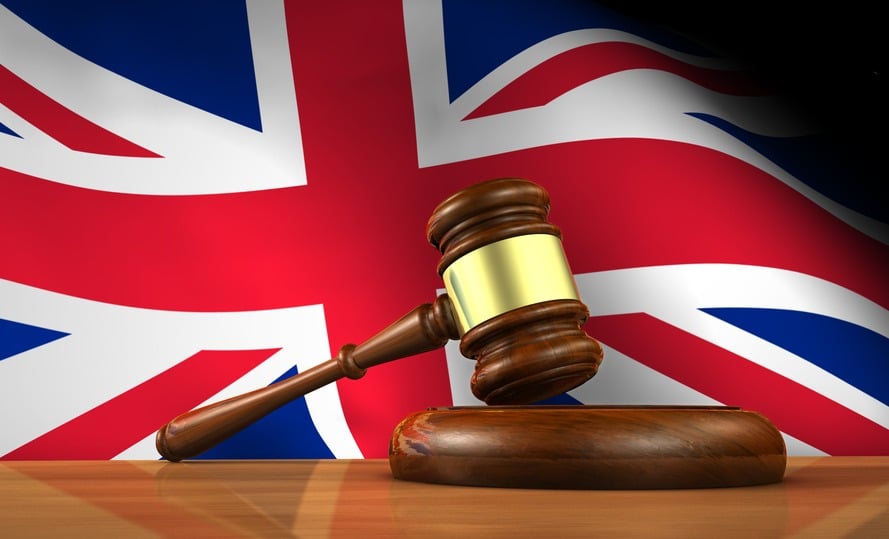
Ultimately, the digital world is not a lawless space. The same principles that govern public behaviour—prohibiting threats, violence, harassment, and defamation—apply online. While robust debate and offensive opinions are often legal, crossing the line into hate speech, threats, or abuse is not. As the law continues to evolve, the best rule of thumb remains: if it would be illegal to say or do on a public street, it is almost certainly illegal to post online.