A Landmark Study That Separates Vaccine Science from Fiction
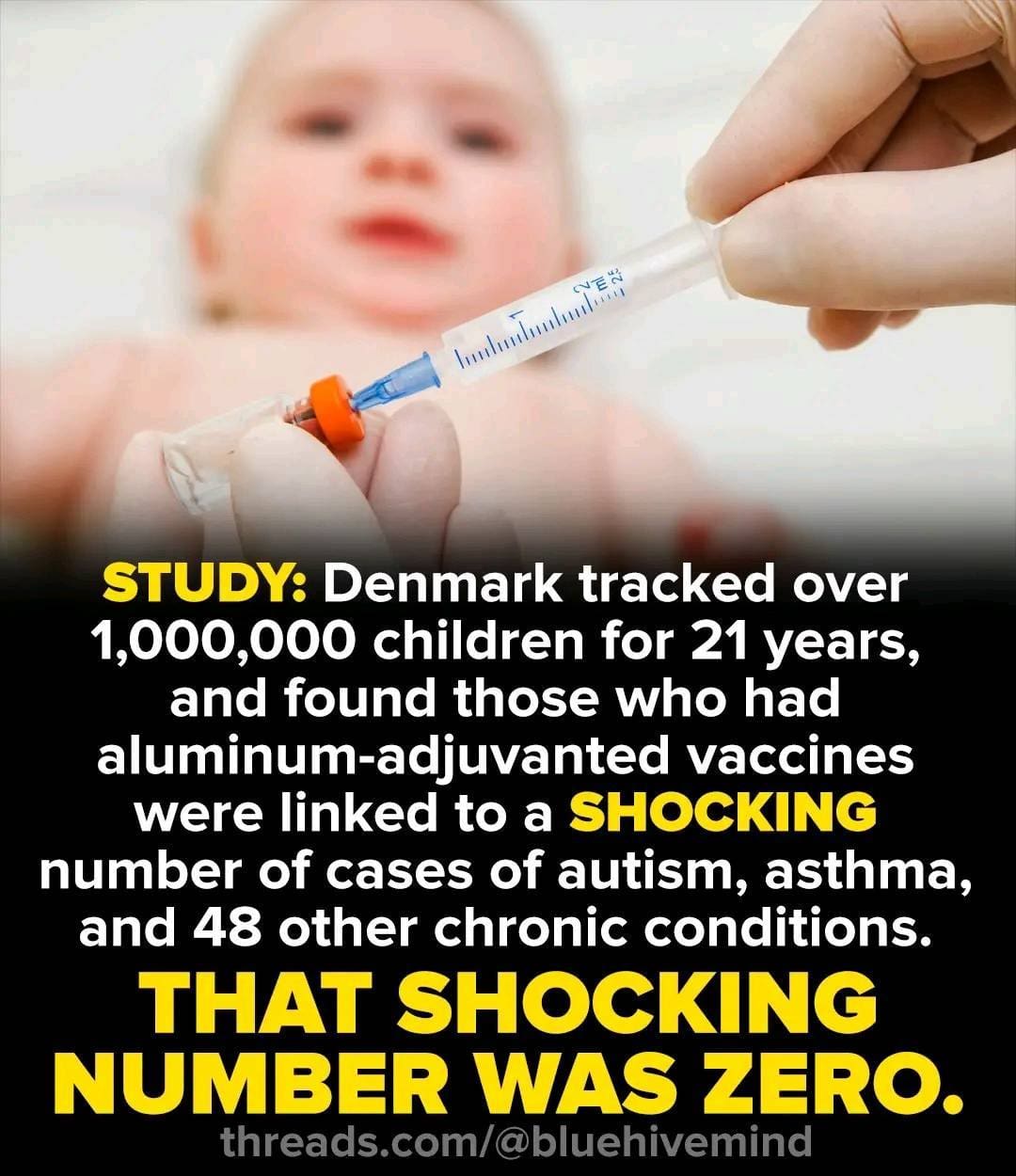
A major new Danish study – the largest of its kind – has reaffirmed the safety of aluminium-containing childhood vaccines, finding no association with 50 different health conditions, including autism, asthma, and autoimmune diseases. The research, conducted by Statens Serum Institut (SSI), examined health data from more than one million children and provides some of the most comprehensive evidence to date supporting the nation’s immunisation programme.
“By analysing data from more than one million Danish children, we found absolutely no indication that the very small amount of aluminium used in the childhood vaccination programme increases the risk of 50 different health outcomes during childhood,” said Anders Hviid, Head of Department at SSI and principal investigator of the study.
Aluminium has been used as a vaccine adjuvant since the 1930s to help the immune system mount a stronger response. Despite decades of safe use, it continues to feature prominently in online misinformation and anti-vaccine rhetoric.
What the Study Found
Using Denmark’s unique national health registers – widely considered among the most robust in the world – researchers tracked children born between 1997 and 2018. They examined aluminium exposure through vaccination and compared it with the incidence of 50 health conditions, including:
- autism spectrum disorders
- asthma
- allergies and hay fever
- food allergies
- autoimmune diseases
- neurodevelopmental disorders
The results were unequivocal: no statistical association was found between aluminium-containing vaccines and any of the outcomes investigated.
“This is the first study of this scale and with such comprehensive analyses, and it confirms the strong safety profile of the vaccines we’ve used for decades in Denmark,” Hviid noted.
The study has been published in the Annals of Internal Medicine, a leading peer-reviewed journal.
Why Some Still Turn to Conspiracies
The release of the study comes at a time of intense global debate about vaccines and a rising tide of misinformation. Despite the strength and clarity of the evidence, many people continue to distrust vaccines, often turning to conspiracy theories instead. Several factors help explain this persistent gap between science and belief:
1. Emotional narratives overshadow data.
Stories of alleged vaccine harm – even when unverified or debunked – spread rapidly online because they provoke strong emotional responses. Complex scientific findings rarely have the same immediate impact.
2. Mistrust in institutions.
In recent years, political polarisation, misinformation, and declining trust in government and health authorities have driven some people to reject official advice, even when it is backed by robust research.
3. Misunderstanding of scientific uncertainty.
Science is cautious, methodical, and always open to new evidence. Conspiracy theories, by contrast, offer absolute certainty. For some, that false sense of clarity is more comforting than scientific nuance.
4. Online echo chambers.
Social media algorithms amplify sensational claims, giving fringe ideas a visibility that far outweighs their validity. Repeated exposure can make misinformation feel credible.
As Hviid warned, “It is absolutely essential to distinguish real science from politically motivated campaigns – otherwise, it is the children who will end up paying the price.”
A Reminder of the Role of Science
Large-scale population studies such as this one remain one of the strongest tools for evaluating vaccine safety. By following more than a million children over two decades, the Danish researchers have created a powerful counterweight to speculation and misinformation.
The study’s message is clear: aluminium-containing vaccines are safe, and fears linking them to chronic childhood diseases are unfounded.
But the wider challenge remains. Scientific evidence can inform public health, but whether it reaches and reassures the people who need it most depends on society’s ability to confront misinformation and rebuild trust. In an era where conspiracy theories can spread faster than facts, protecting public health requires not only rigorous research but also clear communication and sustained public engagement.
Source: https://www.acpjournals.org/doi/10.7326/ANNALS-25-00997