

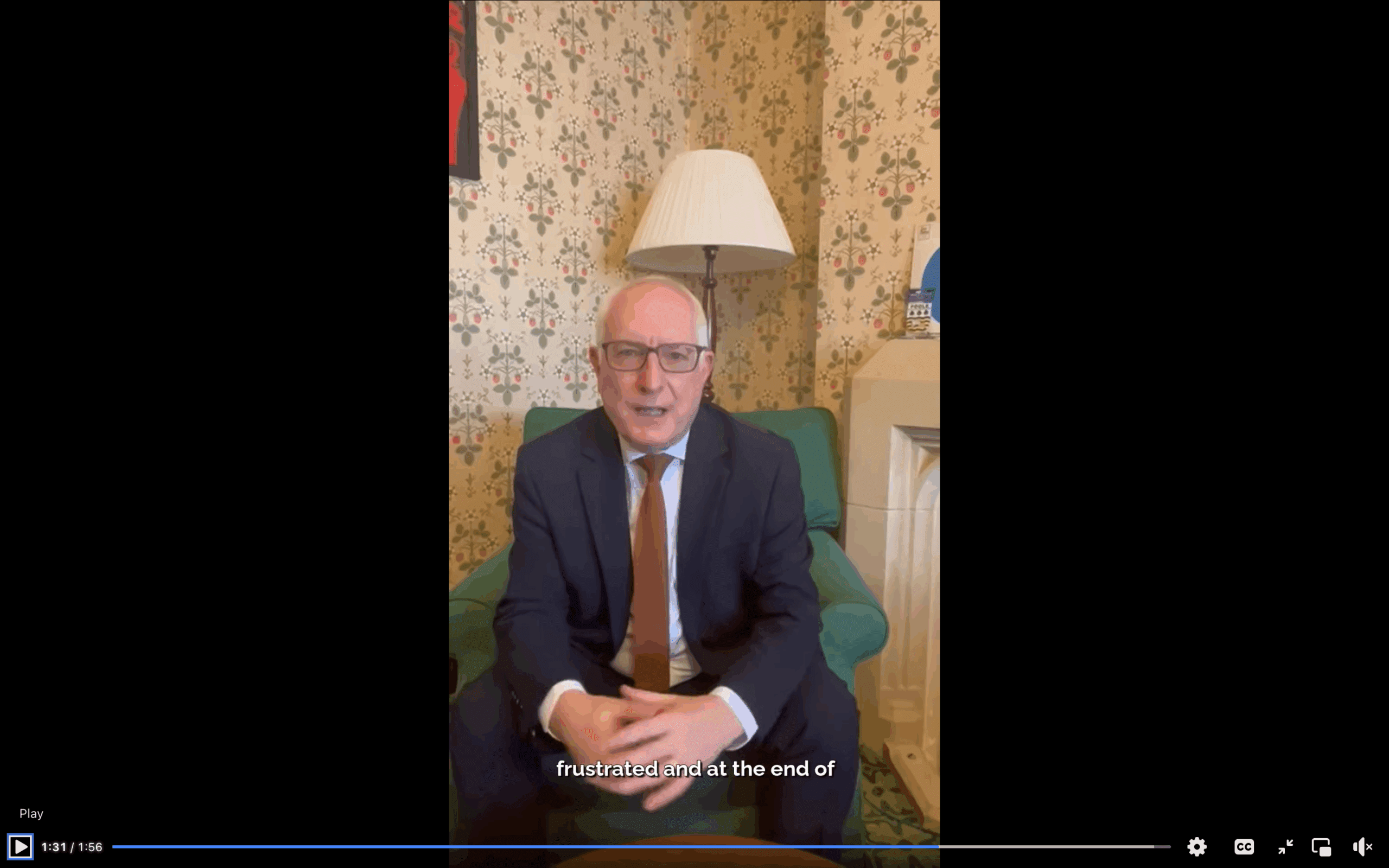
Tensions inside the Labour Party have resurfaced after Labour MP Neil Duncan-Jordan suggested that Keir Starmer may be preventing the party from winning future elections. In comments that will intensify speculation about Labour’s internal divisions, Duncan-Jordan argued that if Starmer is perceived by voters as an obstacle on the doorstep, then the party must be prepared to confront that reality.
Speaking to Times Radio, Duncan-Jordan framed his remarks in pragmatic, electoral terms rather than ideological ones. “If Keir Starmer is seen as a block when you go out and knock on doors – if people say to you, they’ll vote Labour, but they won’t vote Labour if he’s the leader – then he’s the block to us winning,” he said. From what he described as a “purely pragmatic, electoral strategic view,” he argued, the party would have to “remove that block” if it wished to return to government.
While Duncan-Jordan stopped short of calling for Starmer’s immediate removal, his comments clearly raised the prospect of a leadership challenge. “Now, I’m not saying you do that this morning,” he added. “I’m saying that we need to be serious about winning again. And, if there’s a block to winning again, then we need to look at how we remove that block.” The language was measured but unmistakable: electoral success, in his view, must take precedence over loyalty to any individual leader.
The remarks are particularly striking given Duncan-Jordan’s recent history with the party leadership. He was one of four Labour MPs suspended last year for several months over what the party described as persistent disloyalty. The disciplinary action underscored ongoing tensions between Starmer’s leadership team and MPs on the party’s left flank, many of whom have expressed frustration with the direction Labour has taken in recent years.
Among those suspended alongside Duncan-Jordan was Brian Leishman. Unlike Duncan-Jordan’s more strategic tone, Leishman has been far more direct in his criticism. He has openly called for Starmer to step down, arguing that the party requires a different figure at its helm if it is to reconnect with disillusioned voters and rebuild trust in former heartlands. His intervention signals that dissatisfaction is not confined to private conversations but is now being voiced publicly.
The debate touches on a fundamental question facing Labour: how best to balance unity with electability. Starmer’s leadership has been defined by efforts to reposition the party after losing to what turned out to be Boris Johnson’s calamitous government in 2019, moving it towards the political centre and emphasising ‘fiscal discipline’ and what the establisment framed as ‘institutional credibility’. Supporters argue that this strategy restored Labour’s standing with voters and made it competitive again. Critics counter that it has alienated large parts of the party’s traditional base and destroyed the enthusiasm among activists.
For MPs like Duncan-Jordan, the test appears to be straightforward: what are voters saying on the doorstep? His comments suggest that, in some constituencies at least, Starmer’s personal approval may be a complicating factor. Whether that reflects localised concerns or a broader national sentiment remains a matter of political debate.
What is clear is that public calls for a leadership rethink, even when framed as hypothetical or strategic, place additional pressure on the party. Leadership speculation can create instability at a time when Labour is attempting to project competence and unity. At the same time, the willingness of MPs to air such concerns signals that internal disagreements are growing and will expand with every electoral defeat. However, one Labour insider has admitted that the public needs to see how incompetent Reform UK is in power. Following on from the disasters of Cornwall, Kent, Warwickshire, Worcestershire and Durham councils, all run by Reform, many voters who vote Reform in the council elections in May will soon realise that letting them into power nationally would be a total calamity.
As Labour looks ahead to future electoral contests, the question raised by Duncan-Jordan will linger: if a party believes a particular factor is hindering its path to power, how far should it go to remove it? Whether his remarks spark a wider movement or remain an isolated critique may determine the next chapter in Labour’s internal politics. As will the timing of any such decision.







