

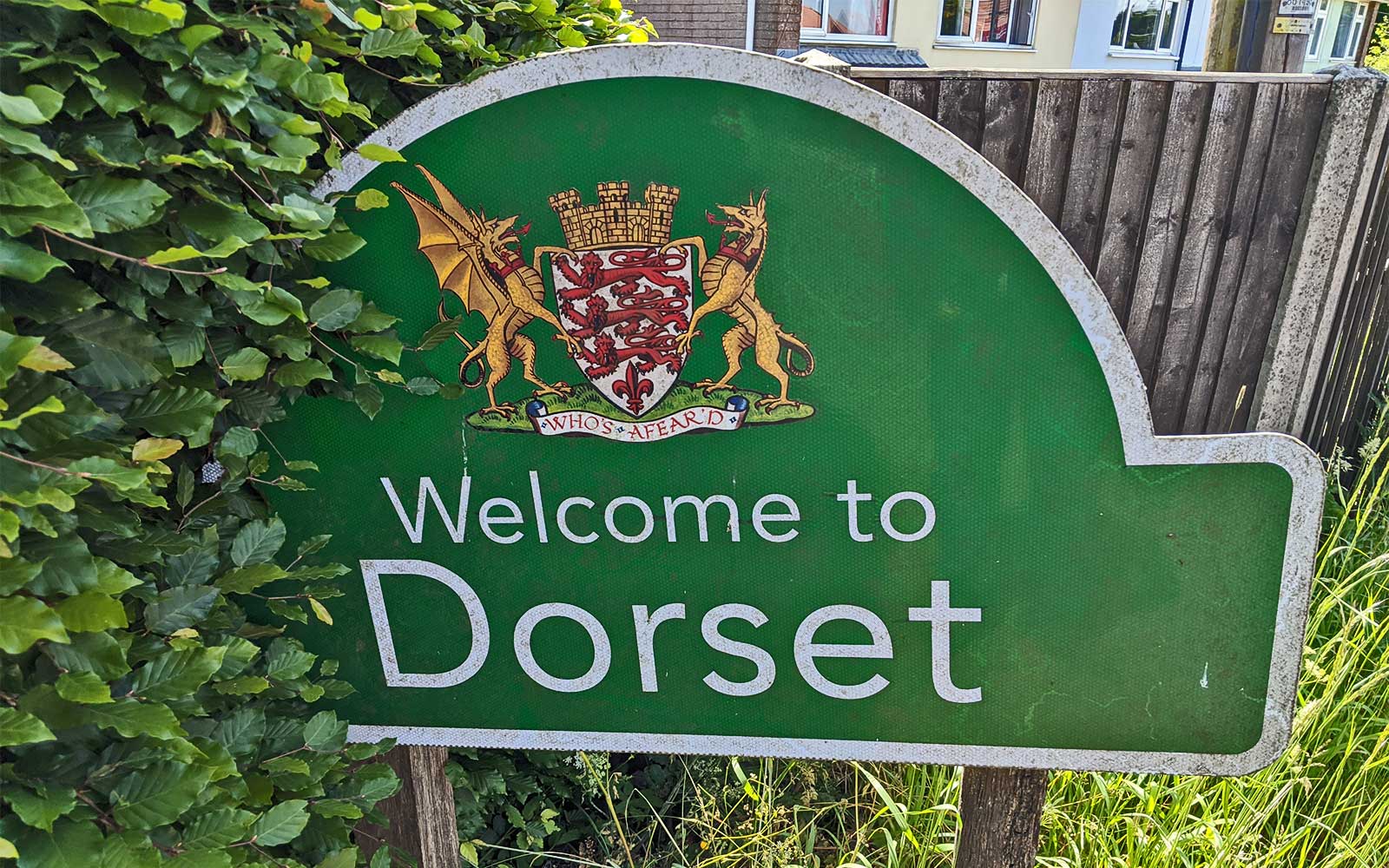
Dorset is a county that wears its history lightly but deeply. From Roman streets and Saxon abbeys to fossil-strewn beaches and medieval market squares, its towns carry the layered stories of England itself. Culture here is not confined to museums or heritage plaques; it lives in stone buildings, ancient churches, cobbled streets and long-standing traditions. Some towns, however, stand out for how vividly they bring that past into the present.
At the heart of Dorset’s historical identity sits Dorchester, a town whose cultural weight far exceeds its modest size. As the county town, Dorchester has been a place of importance since Roman times, when it was established as Durnovaria. Today, traces of that era remain visible in the Roman Town House and scattered ruins that sit almost casually among modern streets. Dorchester’s real strength lies in how confidently it tells its story. The Dorset Museum and Art Gallery anchors the town’s cultural life, housing collections that span archaeology, literature and natural history, while nearby Shire Hall explores Dorset’s judicial past and the legacy of the Tolpuddle Martyrs. Add to this Dorchester’s inseparable link with Thomas Hardy, whose fictional Wessex was shaped by the surrounding landscape, and the town feels like Dorset in miniature: historically rich, intellectually curious and quietly assured.
If Dorchester is Dorset’s civic heart, Sherborne is its architectural soul. Few towns in the county can rival its sense of continuity. Sherborne Abbey dominates the town physically and spiritually, its soaring interior reflecting centuries of worship and craftsmanship. Around it lies a townscape of honey-coloured stone, medieval lanes and Georgian elegance. Sherborne has long been associated with learning and culture, thanks in part to its historic schools, but in recent years it has also developed a lively contemporary arts scene. The Sherborne cultural centre has brought exhibitions, talks and cinema into the town’s old buildings, ensuring Sherborne is not preserved in aspic but remains culturally alive. It is a town where the past feels cherished rather than simply remembered.
High above the Blackmore Vale sits Shaftesbury, one of Dorset’s most evocative towns. Its history stretches back to Anglo-Saxon England, when Shaftesbury Abbey was one of the most powerful religious institutions in the country. Though the abbey itself lies in ruins, its presence still defines the town. Nowhere is that sense of history more striking than on Gold Hill, the steep cobbled street that has become an icon of rural England. Shaftesbury’s appeal is not only visual; it has a strong independent spirit, with small museums, local festivals and a community that takes pride in its heritage. The town feels steeped in memory, shaped as much by its dramatic setting as by its long past.
On the Jurassic Coast, Lyme Regis offers a different kind of cultural importance. Here, history is written in stone – quite literally. Lyme’s global significance lies in its fossils and its role in the development of palaeontology, most famously through Mary Anning, whose discoveries transformed scientific understanding of prehistoric life. The town’s museums, including Dinosaurland and the Lyme Regis Museum, do more than display fossils; they tell a story of curiosity, perseverance and overlooked genius. Beyond science, Lyme Regis has a long civic history, a distinctive harbour in the Cobb, and a tradition of writers and artists drawn to its light and landscape. It is a town where culture is shaped as much by the natural world as by human endeavour.
Further inland, Wimborne Minster presents a more intimate but no less impressive historical experience. The Minster church itself is one of Dorset’s architectural treasures, with Saxon roots, Norman grandeur and a rare chained library. The surrounding town retains a strong sense of its past, with timber-framed buildings, historic inns and narrow streets that invite exploration. Wimborne’s model town, while whimsical, also reflects a deep affection for local history. Cultural life here is quieter than in larger towns, but it is thoughtful and rooted, with theatre, music and community events playing a steady role.
Wareham, often overlooked, is one of Dorset’s oldest towns and one of the few in England to retain substantial Saxon town walls. Its position between rivers and heathland gave it strategic importance for centuries, and its compact centre still reflects its medieval origins. Wareham’s history is subtle rather than showy, revealed in churchyards, old quays and street layouts rather than grand monuments. That subtlety is part of its charm. It feels like a town that has simply continued, rather than reinvented itself.
Finally, Bridport deserves recognition for its cultural resilience. Long known as a market town with a strong rope-making heritage, Bridport has increasingly embraced the arts. Its history is woven into its streets and markets, while its proximity to the coast has brought new creative energy. Festivals, independent shops and galleries sit comfortably alongside its older traditions, giving Bridport a character that feels both rooted and evolving.
Together, these towns reveal Dorset’s cultural depth. This is not a county defined by a single era or identity, but one shaped by centuries of adaptation. Roman administrators, Saxon monks, medieval traders, Georgian reformers and modern artists have all left their mark. To travel through Dorset’s towns is not simply to visit historic places but to move through a living landscape where culture and history remain inseparable from everyday life.
Overall Ranking: Dorset’s Best Towns for Culture and History
1. Dorchester
The county town remains unmatched for historical breadth and cultural depth. Roman origins, nationally important museums, radical political history and literary significance place Dorchester firmly at the top.
2. Sherborne
Outstanding architectural heritage combined with a strong, living cultural scene. Sherborne’s abbey, streetscape and contemporary arts provision make it Dorset’s most complete historic town after Dorchester.
3. Shaftesbury
One of the most evocative historic towns in southern England. Its Saxon roots, abbey history and iconic landscape give it a powerful sense of place, even if its cultural infrastructure is smaller.
4. Lyme Regis
Of international importance for scientific and natural history. Lyme’s cultural weight lies in its fossils, Mary Anning legacy and artistic tradition, balanced by a distinctive civic history.
5. Wimborne Minster
A town defined by a single extraordinary building and a well-preserved historic centre. Its cultural life is quieter but deeply rooted in tradition and community.
6. Wareham
One of Dorset’s oldest towns, valued for its authenticity rather than spectacle. Saxon walls and medieval continuity make it historically significant, if understated.
7. Bridport
A historic market town with growing cultural energy. Its strength lies in the way it blends heritage with a modern creative identity rather than monumental history.
Honourable Mentions
- Corfe Castle (village) – dominated by its dramatic castle ruins and deep medieval tales.
- Poole – historic harbour and quay culture with maritime legacy.
- Weymouth – classic Georgian seaside town with cultural nostalgia.







