Yesterday Dorset Eye brought you this:
Today:
Reform UK’s control of Worcestershire County Council is showing early signs of strain after the resignation of its deputy leader, Taylor, amid a deepening financial crisis and a looming council tax hike.
Taylor, who represented Redditch East and briefly served as deputy leader of the authority, stepped down on Sunday in protest at plans to raise council tax by 10 percent. The proposal has become the flashpoint in a wider row over how the council should respond to an eye-watering £600 million debt burden and the growing risk of effective bankruptcy.
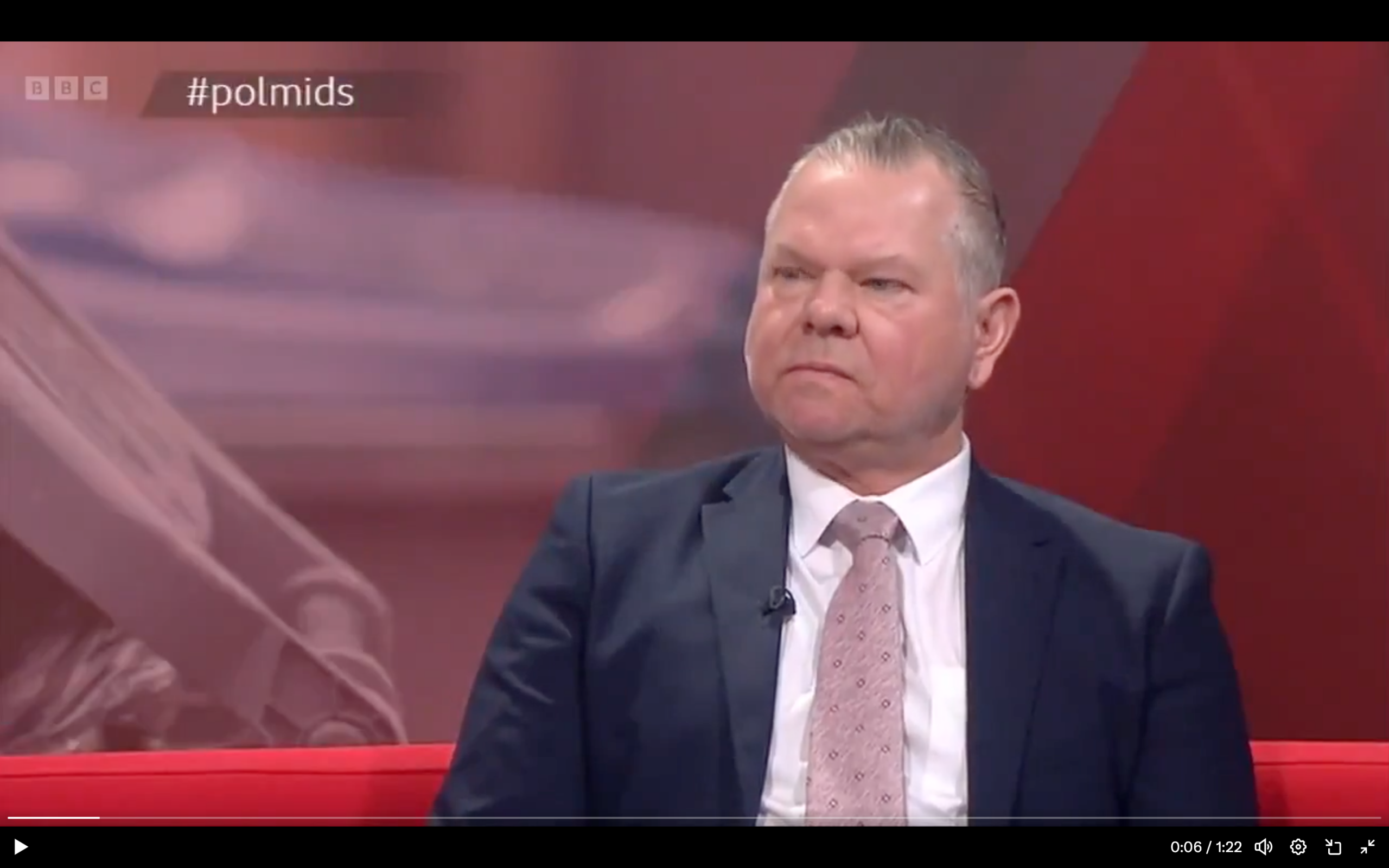
🚨BREAKING: A Reform UK councillor has just QUIT live on air 🇬🇧
— BRITAIN IS BROKEN 🇬🇧 (@BROKENBRITAIN0) February 8, 2026
Reform Councillor David Taylor LIVE on BBC: “THIS IS NOT WHAT I SIGNED UP FOR!”
From the voters to the councillors, it seems Reform UK are losing support from all angles 😬 pic.twitter.com/qH5gZXHm7P
Council leader Jo Monk has laid the blame squarely at the door of previous Conservative administrations, accusing them of years of reckless spending that left Worcestershire with a structural funding hole. Monk is now seeking emergency support from central government to stabilise the authority’s finances, arguing that without intervention the council will be forced into even harsher measures.
Party officials, however, have pushed back against Taylor’s resignation, suggesting he walked away rather than confront the scale of the problem. Behind the scenes, Reform figures argue that tax rises and painful budget decisions are unavoidable if core services, particularly social care, are to be maintained.
The row exposes a growing contradiction at the heart of Reform UK’s local government strategy. The party swept to power in Worcestershire in May 2025 on a platform that promised fiscal discipline and council tax freezes. Less than a year later, those pledges are colliding with the reality of spiralling social care costs, chronic underfunding from Westminster, and debts inherited from past administrations.
With a crucial budget vote due later this month, the council now faces a stark choice: push through an unpopular tax increase, secure government backing, or risk financial collapse. Taylor’s departure has turned what was already a difficult set of decisions into a public crisis, raising uncomfortable questions about whether Reform UK is prepared for the realities of running large local authorities.
As other Reform-controlled councils grapple with similar pressures, Worcestershire may prove an early test of whether the party’s anti-tax rhetoric can survive contact with the hard arithmetic of local government finance.