The suspension of an interim campaign manager over allegations of antisemitic, misogynistic and conspiratorial social media posts should be a moment of deep reckoning for any political party that aspires to govern. For Reform UK, it looks uncomfortably like déjà vu.
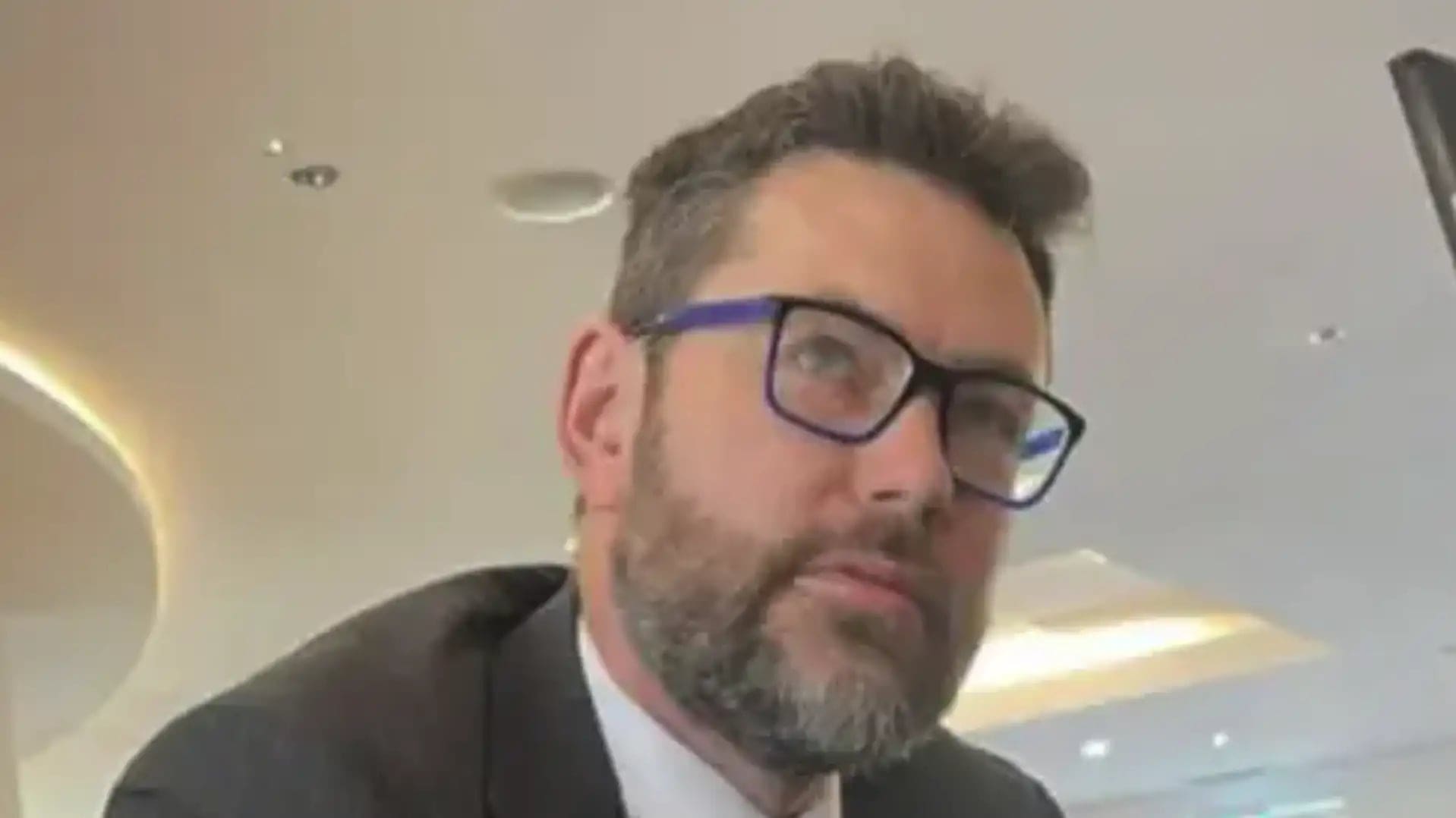
Reform UK has confirmed that Adam Mitula, who had been assisting in the Gorton and Denton by-election campaign, has been suspended following complaints about his online activity. The posts in question reportedly included denial of Holocaust death tolls, the repetition of crude antisemitic slurs such as “I wouldn’t touch a Jewish woman”, the amplification of conspiracy theories from figures with a record of antisemitism, and false claims about transgender people.
This was not an obscure activist shouting into the digital void. This was an individual operating at the heart of an election campaign, assisting prominent figures and helping shape the message presented to voters. The fact that such views were apparently visible online before his appointment raises serious questions about vetting, judgement and culture.
Reform UK has stated that it acted swiftly once concerns were raised publicly. Jewish community leaders flagged the posts, and Jewish groups have welcomed the decision to suspend him. That response is, of course, the bare minimum. But the timing matters. The suspension came after exposure and public pressure. The obvious question is: why did it require external scrutiny for action to be taken at all?
Time and again, Reform UK insists it is a serious political force ready for government. Time and again, it finds itself distancing itself from individuals espousing extremist rhetoric. Time and again, the cleanup appears reactive rather than preventative.
This is not about one individual’s offensive posts alone. It is about a pattern. A party that repeatedly has to apologise for antisemitism, misogyny or conspiracy politics within its own ranks cannot plausibly claim that these are isolated “bad apples”. At some point, voters are entitled to ask whether there is a deeper problem in recruitment, culture or oversight.
Holocaust denial is not a minor faux pas. It is an assault on historical truth and on the memory of six million murdered Jews. Casual antisemitic slurs are not edgy humour. They are expressions of prejudice that have fuelled centuries of persecution. Spreading misinformation about transgender people is not robust debate. It is part of a wider climate of hostility that has real-world consequences.
If Reform UK wants to be treated as a party of government, it must demonstrate that it can prevent such individuals from reaching positions of influence in the first place. That means rigorous vetting, clear red lines and a culture that actively rejects hate rather than merely managing the fallout when it surfaces. It is obviously not a party of governement and it allows far too many sinister and openly racist, homophobic and misogynist people into its ranks. This explains why they are so desperate to get rid of the Equalities Act and human rights protections.
These episodes continue to overshadow its claims of professionalism and readiness for power. Politics is meant to be about ideas, policy and public service. When campaigns become entangled with antisemitism, misogyny and conspiracy theories, they cease to look like credible democratic movements.
They start to look like something far more chaotic and threatening and far less fit for office.