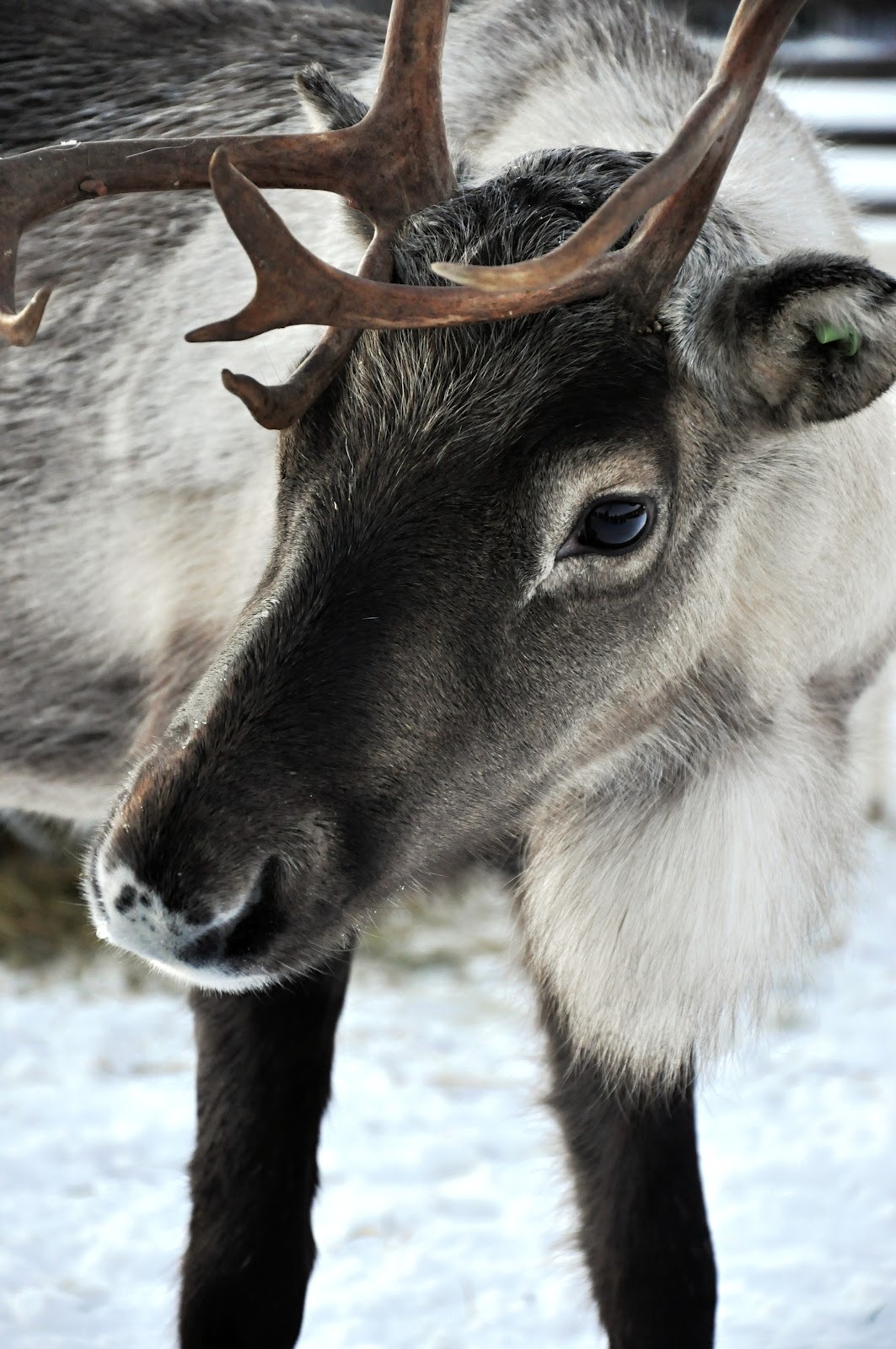
Local councils and events organisers urged to stop using reindeer
The RSPCA is urging local authorities and venues to stop using captive reindeer in their Christmas events – because the wild animals used can experience psychological stress and physical problems.
The charity is one of 22 animal welfare organisations* highlighting how the unnatural environment of Christmas events and the inability of the reindeers to have control over their own lives are likely to lead to psychological distress and potentially poor welfare. Large crowds of unfamiliar people and environments, noise and transport can all contribute to stressing the animals.
The RSPCA’s call for an end to reindeer exploitation comes during the charity’s Christmas campaign – The Big Give Back to Animals– which is aimed at raising vital funds for its frontline teams to ensure they can keep being there for the animals who give us so much and ask for so little in return.
RSPCA Senior Scientific Officer Jennah Green said: “We know many people love seeing reindeer at Christmas and would never want these animals to experience welfare challenges.
“But reindeer are simply not suitable for use at Christmas markets or other commercial entertainment events.
“Reindeer are semi-wild animals that originate from arctic climates, which are very different from the UK, and they’re susceptible to lots of health and welfare issues when they’re kept here. They retain strong wild instincts with highly specialised needs that are extremely difficult to cater for in captivity.”
An open letter has now been signed by 22 leading animal welfare organisations* calling for an end to live reindeer entertainment exhibits.
The needs of reindeer are very complex and so it is almost impossible to keep them properly in captivity – and vets have voiced concern over the lack of suitability of reindeer for the use in the kinds of captive entertainment seen in the UK. Poor body weight, weight loss, muscle atrophy, and general malaise are commonly reported problems in captive reindeer, particularly those that are managed by private owners for use in entertainment shows.
In addition, the pressures of long-distance travel, repeated loading and unloading, and constant, unfamiliar and unpredictable interactions with the public through petting and feeding result in reindeer used in festive entertainment being at severe risk of physical and mental fatigue and associated illnesses.
Jennah added: “While we all love the magic and imagery of the festive season, the reality is that reindeer are being exploited and are really suffering.
“We know these events are hugely popular at this time of year and widely advertised – but safer alternatives exist that are packed with festive fun without putting animals at risk.
“Indeed, change is happening: since 2018, around 153 events have made the move to animal-free Christmas events. We urge event organisers, venues, and councils to choose to join this compassionate movement and cease using live reindeer in their entertainment.”
The public can play a part in helping to make this happen by raising concerns via the Freedom for Animals website about festive events that are still using live animals.
RSPCA frontline rescuers are currently doing all they can to help animals experiencing the very worst cruelty and neglect. Sadly, incidents of animal abandonment being reported to the RSPCA are on course to be at a six-year high. That’s why this winter, the charity has launched The Big Give Back to Animals to raise vital funds for their frontline teams and to ensure they can keep being there for the animals who give us so much and ask for so little in return.