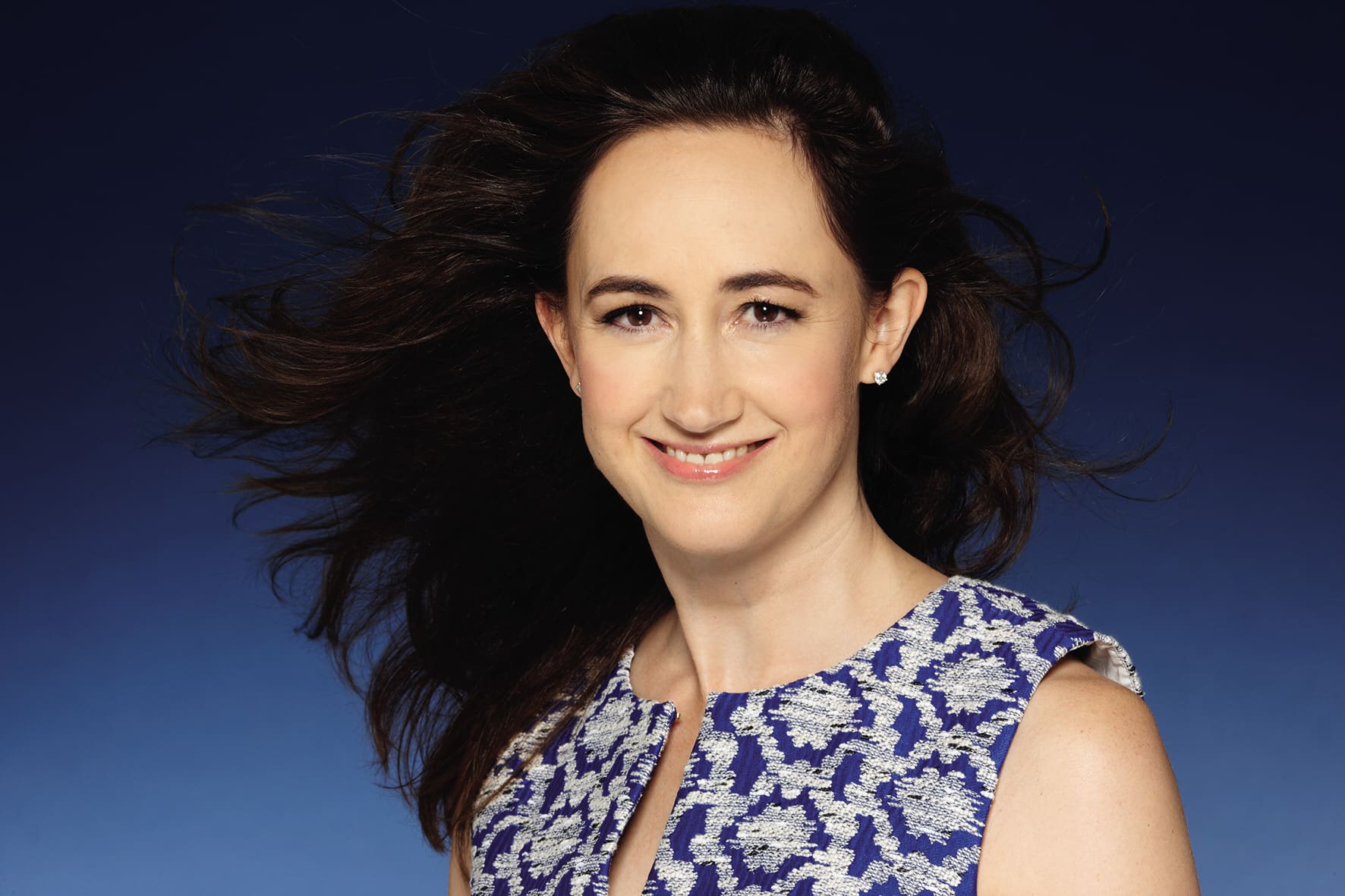
Sophie Kinsella, the beloved author whose Shopaholic novels became a global publishing phenomenon, has died aged 55. Her family announced that she passed away peacefully after living with glioblastoma, an aggressive brain cancer first diagnosed in 2022. Throughout her illness she was cared for by her husband, Henry, and their five children, who described themselves as “heartbroken” while remembering the final days of her life as filled with “family and music and warmth and Christmas and joy”.
Born Madeleine Sophie Townley in London in 1969, she grew up in a household that valued books, ideas, and humour—qualities that later became hallmarks of her fiction. After attending school in London, she read Music at Oxford before switching to PPE, later becoming a financial journalist. This background would prove unexpectedly fertile: her sharp, affectionate understanding of human foibles, anxieties and desires found the perfect outlet in fiction.
A literary career marked by invention and affection
Kinsella first published novels under her married name, Madeleine Wickham, demonstrating early talent for capturing the intricacies of relationships, ambition and class. But it was under the pen-name Sophie Kinsella, chosen to give her space for a freer, more playful voice, that she reinvented modern romantic comedy.
Her 2000 novel The Secret Dreamworld of a Shopaholic, introducing the charmingly hapless Becky Bloomwood, launched a series that reshaped commercial fiction with its blend of self-deprecating humour, genuine emotional insight and irresistible escapism. The books—eventually numbering eight—sold more than 45 million copies worldwide and were translated into over 40 languages, cementing her as one of Britain’s most successful contemporary authors.
The first two Shopaholic novels were adapted into the 2009 film Confessions of a Shopaholic, bringing her work to an even wider audience. Yet many readers remained deeply attached to her novels precisely because they felt so personal: amid the comedy lay a compassionate sense of the pressures facing women navigating work, love, finances and identity in a rapidly changing world.
Her standalone novels—including Can You Keep a Secret?, The Undomestic Goddess, I’ve Got Your Number, My Not So Perfect Life, The Burnout, and What Does It Feel Like?—continued to showcase her ability to write characters who felt both heightened and recognisably human. Publishers and readers alike admired her for elevating the genre with intelligence, narrative energy and emotional honesty.
A connection to Dorset
Though London-born and London-based for much of her life, Kinsella held a lasting affection for Dorset, spending significant periods of her life connected to the county through family, work, and restorative time away from the pressures of writing and public life. Dorset’s coastline, villages and green expanses provided a place of retreat—an environment where she found the peace, privacy and clarity that helped sustain both her wellbeing and her creativity.
Friends often spoke of how the rhythm of Dorset—the sea, the quiet lanes, the gentle rural pace—gave her space to reflect and recharge. The county became woven into the texture of her life: a setting for family gatherings, holidays with her children, and cherished moments of calm during years of demanding, sustained literary success.
Facing illness with grace and courage
In April 2024, after nearly two years of private treatment, Kinsella shared her diagnosis publicly. She wrote movingly of the need to protect her children’s peace while they came to terms with their “new normal”. She underwent surgery, chemotherapy and radiotherapy at University College Hospital, whose staff she thanked with deeply felt gratitude.
True to the spirit of her writing, her message to readers balanced honesty with lightness: she joked about her “worse-than-usual memory”, expressed appreciation for moments of normality, and radiated the same generosity of spirit that had endeared her to millions.
A legacy beyond numbers
Bill Scott-Kerr, her long-time publisher at Transworld, captured the widespread affection for her: “Maddy leaves behind a glorious and indelible legacy: a unique voice, an unquenchable spirit, a goodness of intent… She was clever, funny, sassy, impish, kind and generous.”
Beyond the accolades and the staggering sales figures, Kinsella’s real legacy lies in the emotional relationship readers formed with her work. Her novels addressed anxiety, self-doubt, insecurity, ambition and joy with the sympathy of someone who understood all of it. She made people laugh at themselves without feeling judged. She offered comfort, release and hope.
She is survived by her husband, Henry Wickham; their four sons and daughter; and a vast community of readers who saw in her books both delight and recognition.
Sophie Kinsella leaves behind a body of work defined by warmth, wit, and the belief that humour is not trivial but essential. Her writing brought light to millions—light rooted in humanity, mischief, and deep compassion. That light will continue to shine through the characters and stories she leaves behind.