
While corporate headlines rage about “border chaos” and “migrant crises,” people on the ground tell a very different story. A new report from Best for Britain reveals that the supposed national obsession with immigration has little to do with the realities of local life.
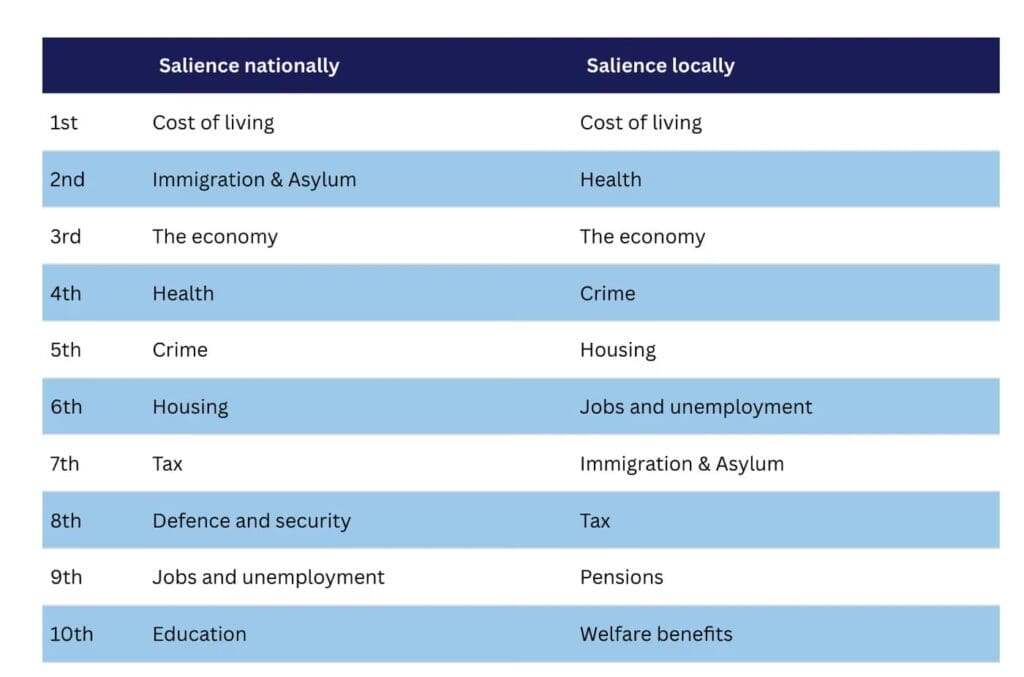
According to a YouGov poll cited in the report, only 26% of people say immigration and asylum are among the most important issues in their communities — just half the 52% who believe it’s a key national concern. That gap, campaigners say, exposes how political rhetoric and sensational media coverage have distorted the conversation.
The Manufactured Panic
“The data clearly demonstrates that media exposure and political discourse are fanning the flames of anti-immigration sentiment,” said Tom Brufatto of Best for Britain. “The government is losing support both to its right and left flanks simultaneously because it’s chasing a false narrative instead of addressing real economic concerns.”
The findings echo what many community leaders, campaigners, and residents have been saying for years: that the so-called “immigration crisis” is largely a manufactured panic.
Saeema Syeda, from the Joint Council for the Welfare of Immigrants, put it plainly: “There is no immigration crisis. It’s a manufactured panic, pushed by some politicians and parts of the media to distract from what actually matters to people — making ends meet, accessing healthcare, decent schools, and secure homes.”
Grounded in Reality, Not Headlines
Across towns and cities, from Birmingham to Bristol and Dorchester to Doncaster, local initiatives are quietly proving her point. Community kitchens, English-language cafés, and volunteer-run welcome networks are building bridges where politicians and pundits sow division.
In Sheffield, a residents’ group has paired new arrivals with long-time locals for “neighbourhood exchanges” — sharing meals, languages, and stories. “Once people meet face-to-face, the fear disappears,” said organiser Janet Ellis. “You realise we all want the same things: safety, opportunity, and a sense of belonging.”
In coastal Kent, where headlines often spotlight small boat crossings, community projects are helping new arrivals find housing and jobs. “It’s not chaos here — it’s compassion,” said one volunteer. “Most of us just want to get on with helping people and improving our town.”
A Disconnect Between Narrative and Need
The Best for Britain report also reveals that when people are asked about the issues that matter most nationally, immigration comes second — a reflection, analysts say, of how heavily it features in political debates and media cycles. But when people are asked what matters locally, it falls to seventh place.
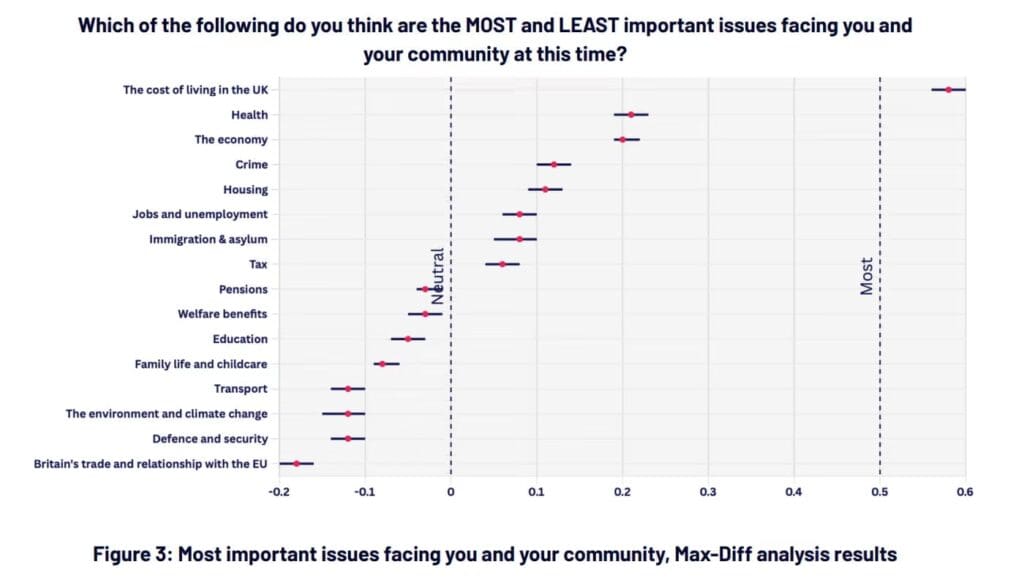
That difference suggests that people’s real-life priorities — cost of living, healthcare, housing, education — are being drowned out by an orchestrated focus on immigration.
“The media obsession with borders distracts from the real borders people face every day,” said Brufatto, “the economic barriers caused by rising prices, low wages, and cuts to public services.”
Communities Refuse to Be Divided
As the rhetoric intensifies in Westminster and the tabloids, local communities are showing that unity is more powerful than fear. From food banks that serve everyone, to cultural festivals celebrating diversity, ordinary citizens are writing their own narrative — one of solidarity, not scapegoating.
In the words of one Manchester teacher: “We stopped waiting for the media to tell our story. We’re living it.”