

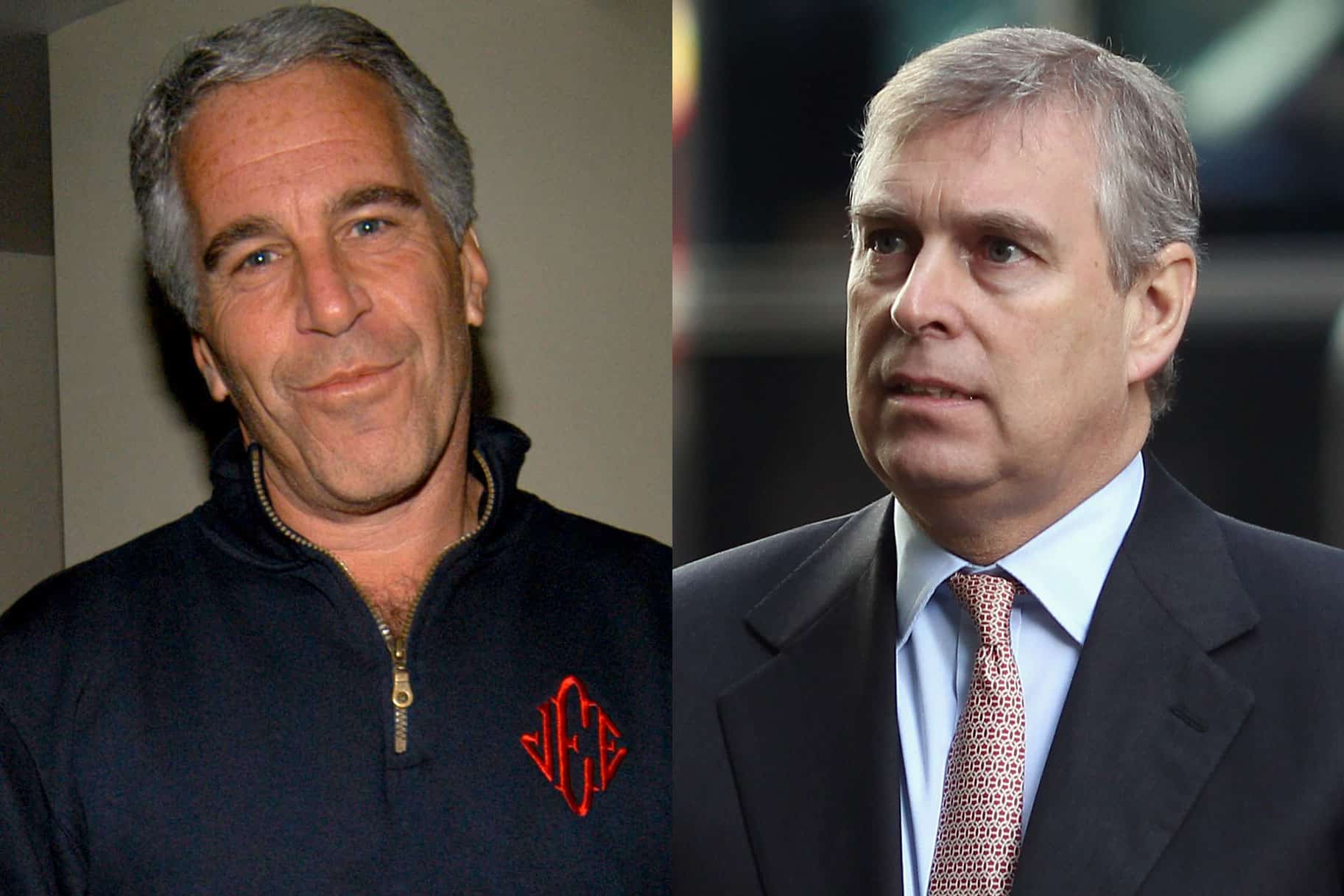
In Dedham, beneath umbrellas and royal pleasantries, the question the monarchy dreads pierced the drizzle: had the King pressured police over his brother Andrew? The man shouting it was ignored. So was the reporter who followed up. And in that silence lay the modern monarchy’s deepest rot.
For years, the Royal Family’s default response to the Jeffrey Epstein scandal has been studied muteness — a strategy honed through decades of embarrassment management. Don’t answer. Don’t react. Don’t dignify. Starve the story of oxygen and wait for the crowd to move on. It is an approach that works for minor indiscretions and tawdry headlines. It is grotesquely unfit when the issue is a senior royal’s association with a convicted paedophile and serial sex trafficker and credible allegations of sexual abuse.
Andrew Mountbatten-Windsor has not been convicted of a crime. But he has also never convincingly explained his relationship with Epstein, never cooperated with US authorities when asked, and never provided a credible account of events that forced the late Queen to remove him from public duties. The infamous Newsnight interview alone would have ended any other public figure’s career overnight. Instead, Andrew was quietly cocooned, protected by silence, process, and the implicit power of the institution.
That protection did not end with his “withdrawal from public life”. It merely changed form.
The palace insists it is not burying its head in the sand. Palace sources whisper about concern, about monitoring developments, about sympathy for victims. Yet concern expressed only behind closed doors is not accountability. It is reputation management. And reputation management is precisely what survivors of Epstein’s crimes say has failed them time and again, not just by elites in politics, finance, and media, but by institutions that place self-preservation above truth.
When Prince Edward was forced to address the scandal while abroad, it was treated as an inconvenience rather than a reckoning. When King Charles stripped Andrew of titles and his royal residence, it was presented as decisive action, years after the damage was done and carefully framed as an internal housekeeping matter rather than a moral stance. Even then, the palace line emphasised “remembering the victims” while continuing to avoid the most obvious question: who knew what, and when?
The crowd in Dedham did not want Andrew to spoil their day. Neither, it seems, does the monarchy. But the scale of the Epstein scandal makes distraction impossible. This was not gossip. It was systemic abuse facilitated by wealth, power, and deference, the very ecosystem in which royalty exists. Silence in such a context is not neutrality. It is complicity.
The King may believe that ignoring hecklers protects the dignity of the Crown. In truth, it does the opposite. Every unanswered question reinforces the suspicion that there are rules for ordinary people and different rules for those born into palaces. Every refusal to engage confirms the idea that the Royal Family still sees itself as above scrutiny, even when the stakes are this high.
If the monarchy wants to survive as more than a ceremonial relic, it cannot continue to treat allegations of sexual abuse as a PR problem to be managed. It must accept that deference has run out. Transparency is no longer optional. Moral authority cannot be inherited, it must be earned.
The Crown was not brought into disrepute by a man shouting in the rain. It was brought into disrepute by years of calculated quiet, by circling the wagons around an accused prince, and by choosing institutional comfort over justice for victims.
History will not judge this era by how well the royals smiled through the drizzle in Essex. It will judge them by what they said and what they refused to say when silence was the easiest option of all.







