Animal cruelty on social media rises as charity warns social media giants must obey the new law
RSPCA received 25 reports of animal cruelty every month on social media.
The RSPCA has released shocking new figures that show reports of animal cruelty on social media have risen by 27% so far this year.
From January to May 2025, the charity saw 133 reports compared to 104 from the same time period last year.
The charity has also received 2,600 reports of cruelty on social media over the last six years and there was an 8% increase in cruelty reports from 2023 to 2024, with 25 reports of animal cruelty made to the charity every month last year.
Facebook had the most cruelty of any platform, with 1,526 reports, followed by Instagram (499) and TikTok (221).
This comes as the Online Safety Act 2023 aims to crack down on social media content glorifying animal abuse for likes and shares – and to protect children and adults from viewing harmful content. Posting this content can not only hurt the animals involved but can send a concerning message to young people that treating an animal in this way is acceptable. Under the new law, enforceable by OfCom, social media platforms had to remove this content by 17 March 2025, so the charity hopes that it will start to see a reduction in the number of online cruelty reports as a result of this new law.
The RSPCA has released the startling new statistics as part of its Summer Cruelty Campaign to show the side of this season that many people don’t see – when animal cruelty peaks.
David Bowles, Head of Public Affairs at the RSPCA, said: “It’s incredibly worrying to see that reports made to us about cruelty on social media have been increasing and this highlights the progress that social media companies need to make to become compliant with the new law, which makes it an offence to post content showing animal cruelty online.
“We’re very concerned that the use of social media has changed the landscape of abuse, with videos of animal cruelty being shared for likes and kudos, with this sort of content normalising – and even making light of – animal cruelty. What’s even more worrying is the level of cruelty that can be seen in these videos, particularly as so many young people are being exposed to graphic footage of animals being beaten or killed, which they otherwise would never have seen.”
The RSPCA’s Kindness Index survey 2025 found that nearly one in three people had witnessed cruelty online (30%), which, although it is a slight decrease from the previous year it still highlights that cruelty is ever-present on social media. And an increasing number of young people are seeing this content, with 46% of 18-24-year-olds in 2025 saying they had witnessed it, a trend the RSPCA is very concerned about. In 2025 there were also worrying annual increases in people viewing cruelty content on Facebook, Instagram and TikTok with 42% of those observing cruelty seeing it on Facebook alone.
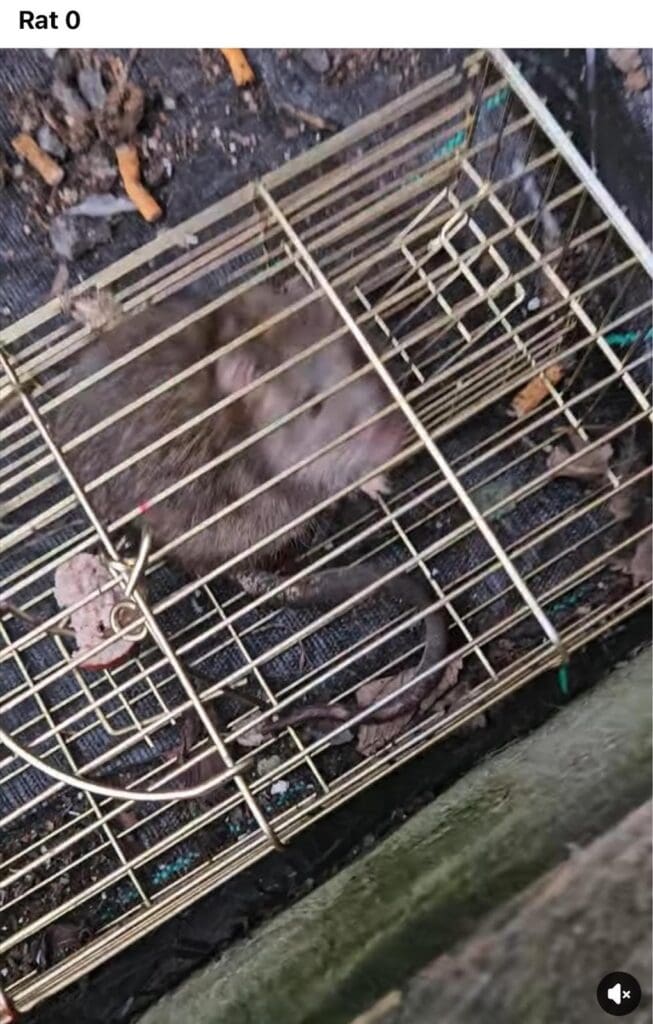
Some of the awful cases reported to the RSPCA include
- A wild rat placed inside a cage and drowned in a bucket of water – with the video posted on Facebook
- A video posted on Facebook showing a woman pouring shampoo into a Koi pond
- A video featuring a man riding a very small pony whilst another man chases and whips the poor horse posted on Instagram
- A TikTok video of a cat being picked up by their neck and thrown roughly into a cage
- A man was banned from keeping animals after posting videos on social media showing his dogs hunting wildlife
- BBC finds electrocuted, drowned and starved cats in online torture groups
The RSPCA fears that the tech barons, particularly Facebook, are not putting enough resources into ensuring that this content is not being posted at all or is swiftly removed and instead, platforms such as Facebook and X have cut down on the number of moderators in the past year. The RSPCA is working closely with OfCom to ensure harmful content is removed and will be monitoring the impact of the Act over the next year.
Whether posted online, captured on doorbell cameras, spotted in the street, or behind closed doors, the charity also reveals it saw a massive 33% annual increase in cruelty reports to the charity during the summer period. Last summer, the charity took 374 reports of cruelty against animals every single day, or one call EVERY two minutes when the cruelty line is open. This is why the RSPCA has launched its summer cruelty campaign to appeal to the public to help them tackle the cruel side of summer.
Summer should be a season of joy for animals. Long walks on golden evenings. Zoomies on the beach. Stretching out in the garden to soak up the sun. But there’s a side to summer you don’t see. For thousands of animals, it’s a season of pain, fear and suffering, when cruelty peaks. You can help us save more animals by making a donation here.