

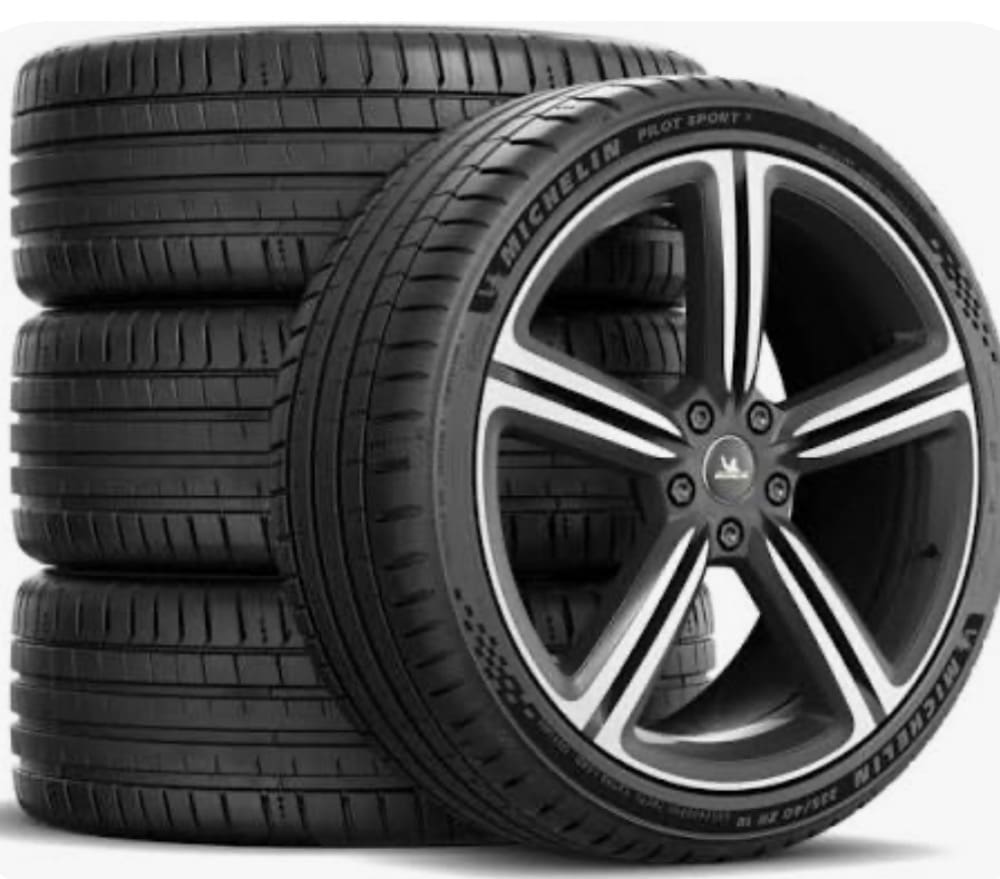
A smooth and controlled drive depends on many factors, but one of the most overlooked aspects of vehicle maintenance is wheel alignment. The correct alignment of your wheels enables them to function as designed when driving while maintaining vehicle stability, fuel efficiency, and road safety. Your wheels will experience gradual alignment changes because you drive through everyday conditions such as potholes, rough roads, and minor bumps.
If left unchecked, poor wheel alignment can lead to uneven tyre wear, reduced fuel efficiency, and compromised vehicle handling. Drivers can solve these problems by detecting early signs that will prevent expensive repairs and dangerous driving situations from happening.
Drivers need to conduct regular inspections, which help them maintain their cars in dependable and comfortable condition. Technicians who work at professional facilities can use their expertise to find alignment problems and fix them through correct weight distribution methods. Many motorists choose to enhance performance and control with expert wheel alignment at Magowan Tyres. The process of regular vehicle maintenance provides benefits such as improved driving stability and vehicle protection for critical parts like tyres, suspension, and steering systems.
The five most common signs that show your vehicle needs a wheel alignment check are listed below.
1. The Vehicle Pulls to One Side
The most obvious sign of poor wheel alignment shows itself when a vehicle drives straight yet begins to drift toward either side. The vehicle will begin to move toward one side even when the driver maintains a steady grip on the steering wheel. The driver experiences constant steering correction because steering accuracy decreases from misalignment, which creates a driving challenge that leads to exhaustion and dangerous situations.
2. Uneven Tyre Wear
Tyres experience natural wear down throughout their existence, yet drivers can use unusual wear patterns to identify potential alignment issues. The tyre shows its first signs of wear through one side becoming more damaged than the other or through the edges of the tyre wearing out more quickly than the central section. When wheel alignment is incorrect, tyres make improper contact with the road surface, which leads to both early tyre damage and a reduction in tyre lifespan.
3. A Crooked Steering Wheel
The driver must maintain a centred position of the steering wheel during straight driving. The vehicle exhibits a strong indication of wheel misalignment when the steering wheel shows a tilt while the vehicle travels in a straight path. The presence of an unaligned steering wheel indicates that the vehicle steering system must adjust to wrong wheel positions which leads to increasing driving difficulties.
4. Steering Wheel Vibrations
Another common symptom linked to poor wheel alignment is vibration felt through the steering wheel. This problem becomes more pronounced when the vehicle operates at higher speeds. The vibrations begin with a faint presence that develops into a major issue that becomes more evident throughout time. The main reason for vibrations to occur in vehicles is tyre imbalance but misaligned wheels also serve as a common cause. The road surface creates unstable conditions that result from tyres making uneven contact with the ground.
5. Handling Feels Loose or Unstable
Drivers describe vehicles with alignment problems as showing loose handling characteristics that make them unstable during operation. The vehicle shows a tendency to drift away from its intended path when it moves at high speeds and during turns. Proper wheel alignment enables tyres to maintain their correct road contact, which allows the vehicle to respond correctly when drivers turn the steering wheel. The vehicle becomes harder to control when its alignment is incorrect because this condition makes driving unpredictable and decreases safety measures.
A well-maintained wheel alignment plays a vital role in keeping your vehicle safe, efficient, and comfortable to drive. The warning signs of problems become visible through specific symptoms such as uneven tyre wear, the presence of steering vibrations, and road drifting. The practice of regular wheel alignment checks functions as an effective method that enhances both vehicle performance and driver safety throughout its entire operational life.







