In running a business, you are ultimately responsible for a multitude of separate, individual things – all of which constitute your business’ operational effectiveness as a whole. This is especially true for small business leaders, who carry more on their shoulders than the average CEO. Not only are you steering the ship through changing market conditions and intense competition, but you are also managing the operational conditions within the ship – including the safety and security of staff, equipment and premises alike.
There are, of course, legal foundations for the creation of safe working environments; the Health and Safety At Work Act 1974 is fundamental, as are ensuing acts relating to PPE, staff training and more. Put simply, creating a safe working environment is essential for protecting staff, customers and the long-term reputation of your business. And with UK regulations and expectations around workplace safety continuing to evolve, even small improvements can make a meaningful difference.
Strengthen Your Fire Safety Measures
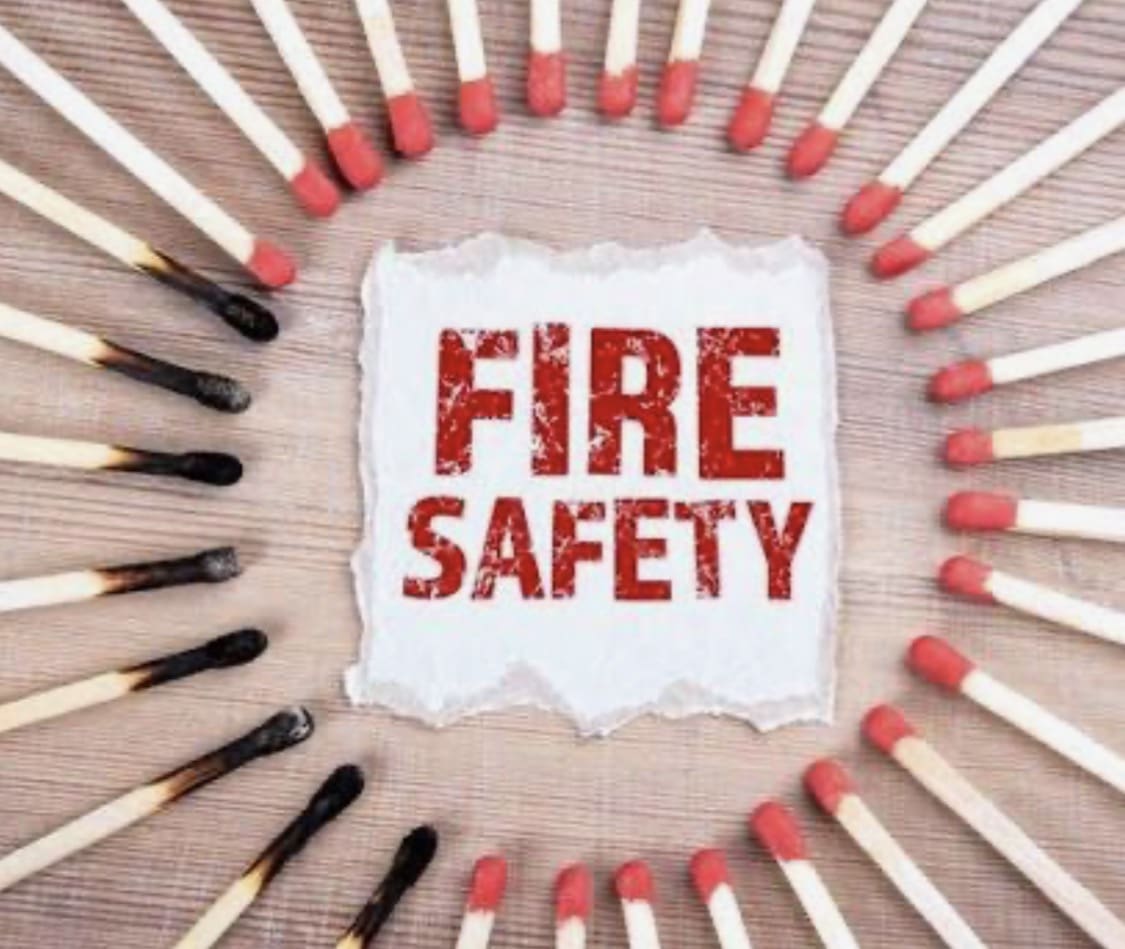
Fire safety is an evergreen concern for any worksite or business premises, procedures for which should be reviewed at least annually in order to ensure continued compliance. This includes ensuring extinguishers are serviced, alarms are tested and evacuation routes are clearly marked. Physical, intra-office safety features such as installing or upgrading fire doors between departments can also be crucial to slowing the spread of fire, and protecting employees as they exit.
Keep Equipment and Machinery Properly Maintained
‘Review’ really is the operative word here, as any business that has been operating for any length of time should already have various systems in place to enshrine the safety of workers and on-site equipment. This extends to physical equipment in assembly, production, construction and more, where regular maintenance checks are vital to reducing the risk of accidents, breakdowns and the costly downtime that can result. Maintenance logs ensure regularity and responsibility.
Improve Staff Training and Communication
Training is often overlooked as an aspect of workplace safety, but is in fact the most important element of them all. Employees need to be brought up to speed on the workplace hazards they are likely to encounter, and best practices for managing accidents as and when they occur. Clear communication, regular safety briefings and up-to-date training are all part of the same picture, there to help employees understand risks and respond appropriately. Training is just as important for the onboarding of new staff as it is for existing employees; complacency breeds risk.
Review Your Workplace Layout and Daily Practices
Even simple adjustments, from decluttering walkways and improving lighting to adding signage and reorganising storage, can significantly reduce the risk posed to employees across departments or sites. Clutter can pose trip risks, and poor lighting too; everyday hazards like these are easy to control with small daily declutters and walkthroughs.