On the evening of 22 November 1910, a private railcar waited in Hoboken, New Jersey. It sat under the dim gas lamps of the station, blinds drawn tight, steam hissing in the cold air. Porters were given strict instructions: no questions, no chatter, and no names. Inside, six men prepared for a journey that would change the course of American history.
Leading them was Senator Nelson W. Aldrich, one of the most powerful politicians in Washington. He was the head of the National Monetary Commission, a man whose word could shape the country’s economic policy. His mission was clear: solve the problem of America’s chaotic banking system and do it without the public ever knowing how.
Beside him sat Abram Piatt Andrew, the Assistant Secretary of the U.S. Treasury, a skilled technocrat with inside knowledge of the nation’s financial arteries. Across from them was Frank A. Vanderlip, president of the National City Bank of New York, the Rockefellers’ flagship institution and the largest bank in America. Henry P. Davison, the sharp-eyed senior partner at J.P. Morgan & Co., represented the most formidable banking house on Wall Street. Charles D. Norton, president of the First National Bank of New York, brought another cornerstone of the financial elite to the table. And finally, Paul M. Warburg, a German-born banker from Kuhn, Loeb & Co., who had studied Europe’s central banks and believed America’s disjointed system was dangerously primitive.
These six men together represented an unimaginable concentration of wealth and influence. Between them, they controlled or influenced a majority of the nation’s capital. If you wanted to find the beating heart of American money, it was here, in this railcar, rumbling quietly into the night.
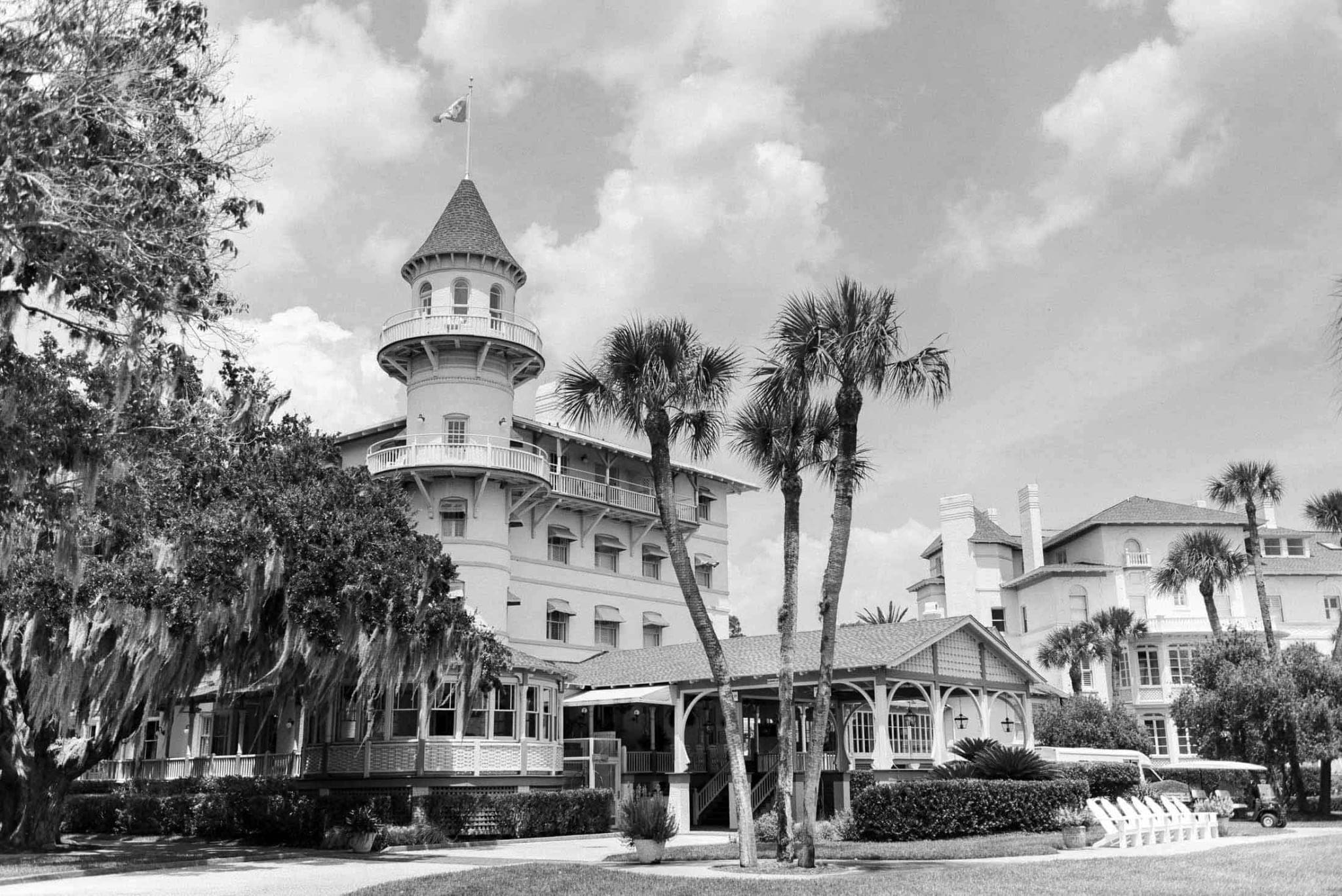
Their journey was deliberate. From Hoboken, they travelled down the eastern seaboard to Brunswick, Georgia. From there, a boat carried them across to Jekyll Island, a private winter retreat owned by a select club of America’s wealthiest families: Morgans, Rockefellers, Astors, Pulitzers. Here, amidst the salt marshes and oak trees hung with Spanish moss, they could work undisturbed, invisible to journalists or political opponents.
The public story was that they were on a duck hunting trip. In reality, they would spend the next week behind closed doors in the Jekyll Island Club’s clubhouse. Servants were ordered to keep their distance. Even inside, the men referred to each other only by first names to prevent anyone overhearing and connecting the dots.
The work was intense. Paul Warburg brought the European model to the table, a central bank capable of issuing currency, acting as a lender of last resort, and smoothing out the violent booms and busts that plagued the American economy. Aldrich wanted a system that could protect the banking sector from collapse without ceding too much control to the federal government. Davison and Vanderlip pushed for a structure that would preserve the dominance of private banks while avoiding the political backlash that had sunk previous central bank attempts.
By lamplight they sketched the architecture of what would become the most powerful financial institution in the United States. The plan was deceptively simple on paper: create a network of regional reserve banks under the supervision of a central governing board. This system would control the money supply, provide emergency liquidity to banks, and maintain the stability of the currency. The public would be told it was designed for the common good. In truth, it also ensured that the same men and their institutions would retain immense influence over the nation’s money.
When they left Jekyll Island, the blueprint was complete. It was called the Aldrich Plan, after the senator who led the mission. Introduced to Congress in 1912, it was initially rejected as too obviously a Wall Street creation. But the groundwork had been laid. Two years later, under President Woodrow Wilson, a rebranded and politically palatable version passed into law as the Federal Reserve Act of 1913.
From that day forward, the United States had a central bank, part government, part private cartel, with the power to create and destroy dollars at will. Today, the Federal Reserve’s reach extends over more than $30.5 trillion in U.S. money. It sets interest rates, dictates the flow of credit, and can, with a few keystrokes, add billions to the financial system. Its decisions ripple through every corner of the global economy.
The meeting remained shrouded in secrecy for decades. The men rarely spoke of it, fearing public outrage if the truth came out. Years later, Frank Vanderlip would finally admit the scale of their deception: “If it were to be exposed publicly that our particular group had gotten together and written a banking bill, it would have been criticised from one end of the country to the other.”
More than a century later, the Jekyll Island Club still stands, a stately relic of the Gilded Age. Tourists walk its halls unaware that, in one of its quiet rooms, six men once conspired to forge the rules of modern money. That week in 1910 remains a ghost in the story of America, invisible in plain sight, its influence felt every time a dollar changes hands.