

[An occasional series of articles about artists who made great records but failed to break through to the mainstream.]
The Passage
If you were one of those people who bought Pillows and Prayers for 99p in December 1982, you may be vaguely aware of the roster of recording artists signed to Cherry Red Records. One of those bands had a minor indie hit with their song XOYO, a humorous look at genetic engineering and sexual evolution set to electronic keyboards and a marching beat.
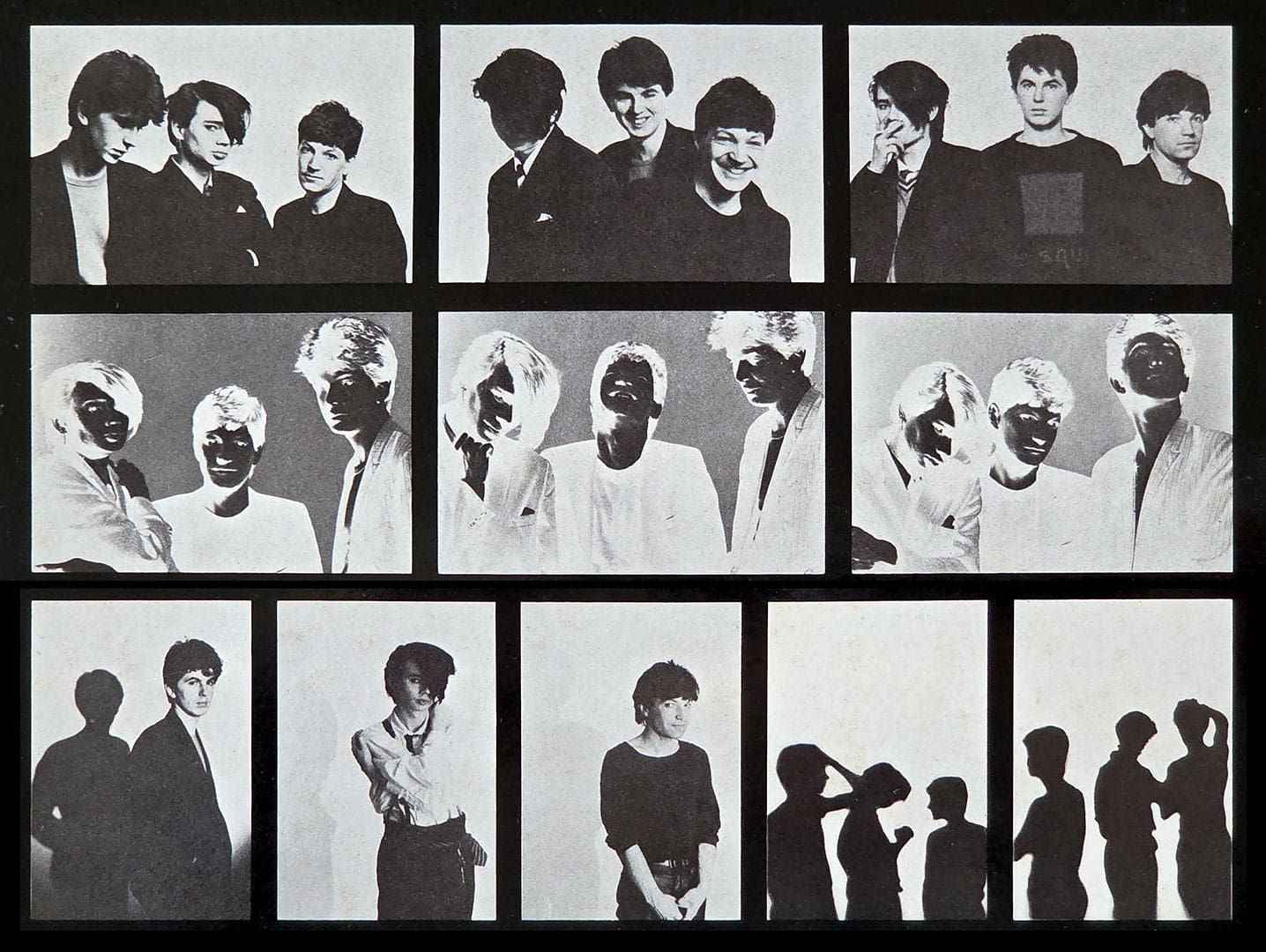
But the story of The Passage began four years earlier in Manchester, when two founders of the Manchester Musicians Collective decided to form a band. Bassist Tony Friel had just quit The Fall and orchestral percussionist Dick Witts wanted a more active part in the New Wave scene. For two years they did a couple of gigs a month (with Lorraine Hilton on keyboards) and released two EPs on Object Music, until Friel moved on.
1980 was a difficult year for The Passage. Various friends and relatives were drafted in to the live line-up, while auditions continued. Witts had gathered enough material for an album, which he mostly recorded solo. But then a car crash put him (and the band) out of action. The album was released, but relations with the label soured, and it was deleted after only 5000 copies were made. Nevertheless, Pindrop was well-received, and The Passage had clearly progressed a lot since those first EPs, developing a novel keyboard-heavy fusion of post-punk and art rock.
Fear (Pindrop, 1980):
As he recovered from his injuries, Witts took over keyboard duties and looked for a drummer. By the end of the year, he had recruited Joe McKechnie, as well as Lizzy Johnson on vocals and a very young Andy Wilson on guitar and keyboards. They immediately set to work, producing two singles and an album. But Johnson quit after the first single, leaving the others to share vocal duties. For All and None was another step up in quality, with a more ambitious and expansive sound. Despite some high profile gigs and continued critical praise, label and logistical problems hampered success. McKechnie left the band-temporarily now a duo-to record a follow-up single.
Do the Bastinado, (For All and None, 1981):
After finding a replacement in Paul Mahoney and a new label in Cherry Red, they moved into more upbeat electronic music with Degenerates. They embarked on an ambitious tour of the USA with Richard Strange’s Cabaret Futura, and they enjoyed greater exposure with the aforementioned XOYO.
Love Is As (Degenerates, 1982):
McKechnie re-joined them, and they turned up the heat with Enflame, a louder and more experimental album. But, despite four critically acclaimed albums of innovative music and leftfield lyrics, life was not getting any easier for the band. In the end, logistics, lack of commercial success, internal tensions and the tragic loss of the band’s equipment caused their final album to be released without a supporting tour or the enthusiasm to carry on.
Drugface (Enflame, 1983):
Over the next few years, McKechnie joined Benny Profane, Wilson became a globe-trotting DJ, and Witts was a presenter on Oxford Road Show.
Keith, Swanage Record Club (swanagerecordclub.uk, @swanagerecordclub)







