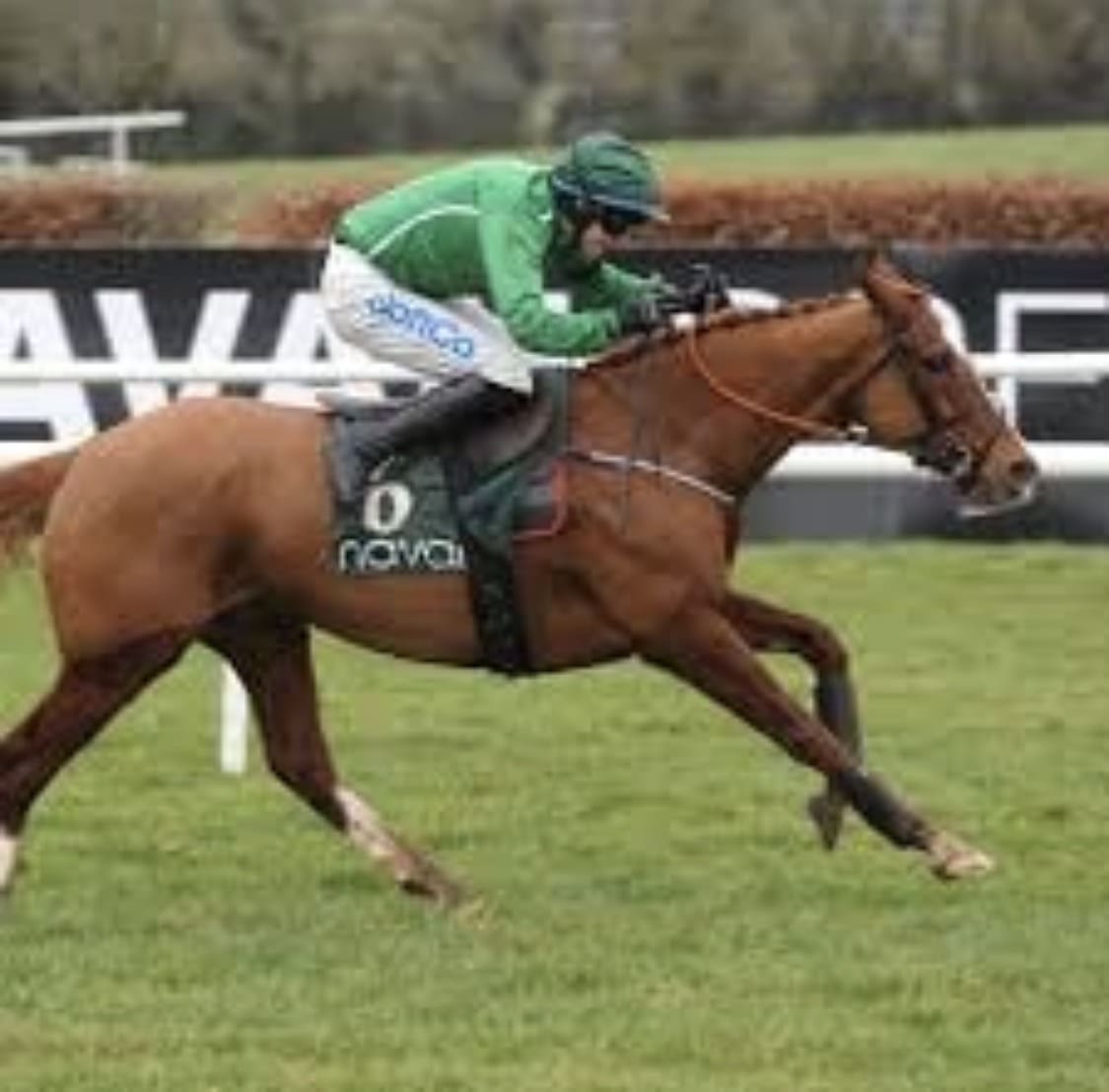
The 2026 running of the Cheltenham Festival has been overshadowed by tragedy after a second horse died in as many days, prompting renewed questions about the safety of jump racing and the moral cost of Britain’s most celebrated meeting.
On Wednesday, the horse HMS Seahorse suffered a catastrophic injury at the final hurdle in the third race of the day and had to be euthanised on the track. His death came less than 24 hours after another fatality at the festival, when Hansard sustained a fatal injury on the opening day of the meeting.
For a sport that prides itself on tradition, spectacle and pageantry, the sombre reality of two deaths in two days has once again cast a long shadow over the Gloucestershire racecourse.
An RSPCA spokesperson said the charity were “deeply saddened” by the news.
“We are deeply saddened to learn a second horse in as many days has died at the Cheltenham Festival.
HMS Seahorse’s death – further to a fatal injury at the final hurdle in Wednesday’s third race – means 21 horses have lost their lives in competitive racing this year alone, and we are not even one fifth of the way through 2026.”
The charity added that tragedies such as this must lead to serious examination of the causes and circumstances.
“We reiterate that lessons must be learned from any tragedy like this – including what caused it, decision making during the race, and future means of prevention.”
The RSPCA confirmed it had spoken to the sport’s governing body, the British Horseracing Authority, which has already reviewed footage of the incident.
According to the charity, the BHA has committed to further investigations to determine what factors may have contributed to the catastrophic injury suffered by the horse.
“They’ve committed to further investigations, which will be vital to better understand all background factors that may have contributed to this tragic incident,” the spokesperson said.
The deaths have renewed debate about the risks inherent in jump racing, a form of the sport that requires horses to clear a series of high fences or hurdles at speed over long distances.
A Festival Under Scrutiny
The Cheltenham Festival is widely regarded as the pinnacle of National Hunt racing. Each March tens of thousands of spectators descend on the course for four days of racing culminating in the famous Cheltenham Gold Cup.
Yet for critics of the sport, the glamour masks a darker truth.
Equine welfare groups argue that the physical demands placed on horses—combined with the competitive pressure on trainers, owners and jockeys—create conditions where catastrophic injuries are inevitable.
The death of HMS Seahorse has sharpened those concerns. Video footage showed the horse falling at the final hurdle before suffering injuries so severe that veterinary intervention could not save him.
Only a day earlier, the death of Hansard in the second race of the festival had already sparked grief and anger among animal welfare advocates.
Two deaths within the first two days of the meeting have left many questioning whether lessons from previous incidents have truly been learned.
Rising Fatality Numbers
The figure cited by the RSPCA—21 horses killed in racing already in 2026—has intensified the debate.
While millions of pounds are invested each year in improving racecourse safety, critics argue the statistics demonstrate that progress remains limited.
Fatal injuries in horse racing typically occur when horses fall at speed or suffer fractures to their legs. Because a horse’s body weight places immense pressure on its limbs, severe breaks are often impossible to repair.
Defenders of the sport insist that racing authorities have introduced significant reforms over the past decade. Courses have modified fences, improved veterinary supervision and implemented stricter protocols when horses fall.
The BHA has repeatedly emphasised that equine welfare is the “top priority” for the sport.
But campaigners say the existence of improvements does not negate the scale of the problem.
The Moral Question
For some critics, the issue goes beyond safety measures.
They argue that the spectacle of racing—particularly jump racing—places animals in inherently dangerous situations for the sake of gambling and entertainment.
When a horse collapses on the turf in front of thousands of spectators and millions watching on television, the moral contradiction becomes impossible to ignore.
That contradiction is especially stark at an event like Cheltenham, where the festival atmosphere, complete with champagne bars, bookmakers and roaring crowds, sits uneasily alongside the risk faced by the horses themselves.
Calls for Reform
The RSPCA has renewed calls for stronger welfare protections.
“The RSPCA will keep campaigning for the introduction of greater safety measures to the sport and improvements for equine welfare both on and off the track,” the charity said.
Campaigners argue that reforms could include stricter limits on the number of races horses run, improved track design, and more robust decisions about withdrawing tired horses during races.
Others believe more fundamental change may be needed, including reconsidering the most dangerous elements of jump racing.
For now, the Cheltenham Festival continues, with thousands still flocking to the famous course.
But the deaths of Hansard and HMS Seahorse have once again reminded the public that beneath the glamour and betting slips lies a harsh truth: horse racing remains a sport where the price of spectacle can sometimes be paid in lives.
And as the tally of fatalities rises while the year is still young, the uncomfortable question grows louder—how many more horses must die before the sport truly confronts the risks it asks them to bear.
All the while the punters are fighting themselves.