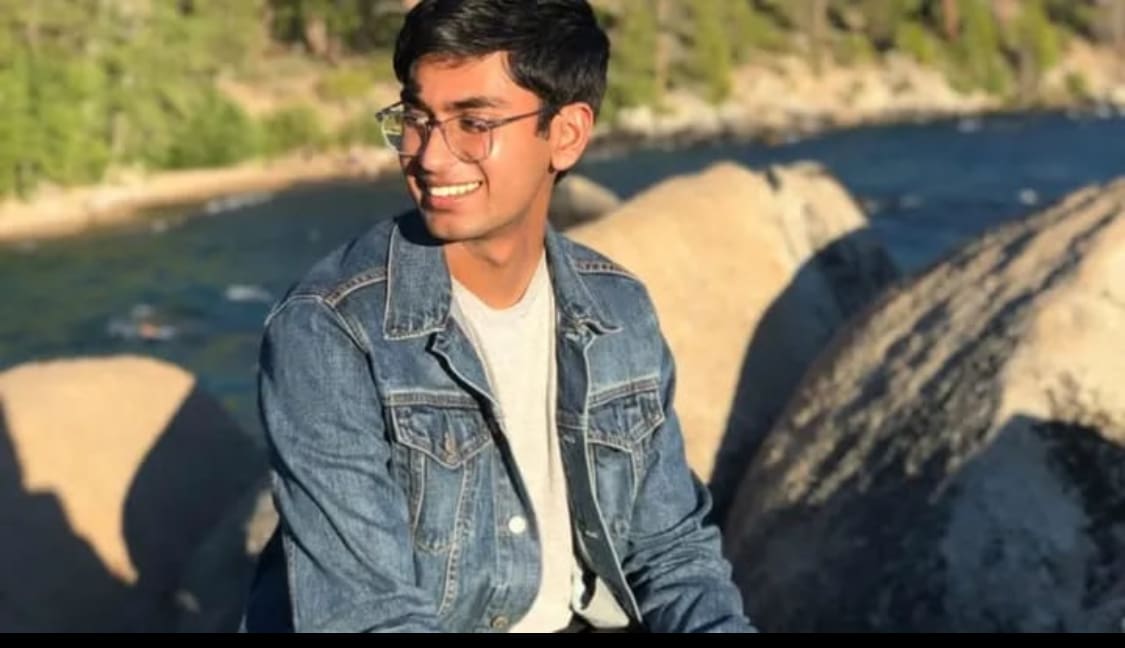
The mysterious death of 26-year-old OpenAI researcher and whistleblower Suchir Balaji in November last year remains a deeply polarising mystery. While official investigations have concluded, his family, backed by high-profile figures, continues to demand justice, alleging a cover-up. With two starkly different narratives, the truth is anything but clear.
The Case: A promising AI ethicist is found dead in his San Francisco apartment. Was it a tragic personal decision, or was he silenced for what he knew?
Is Sam Altman complicit in Suchir Balaji’s death?
The Case for Suicide: The Official Findings
The San Francisco Police Department (SFPD) and the Office of the Chief Medical Examiner (OCME) conducted a thorough investigation, ruling in February that Balaji’s death was a suicide. They point to a compelling body of evidence.
- The Forensic Evidence: The official autopsy report is the cornerstone of this argument. It found no signs of physical struggle, defensive wounds, or bruising on Balaji’s body. Crucially, the apartment door was locked from the inside, with no evidence of forced entry. The windows were deemed non-viable points of entry.
- The Weapon: The handgun found at the scene was registered in Balaji’s name, legally purchased by him months prior.
- Gunshot Residue (GSR): Forensics detected gunshot residue on both of his hands, strongly indicating he was the one who fired the weapon.
- Toxicology Report: The report showed the presence of ethanol (alcohol) and amphetamines in his system. The combination could significantly impact mood and judgement.
- Digital Footprint: Perhaps most tellingly, investigators revealed his internet history included searches related to brain anatomy and suicide methods in the time leading up to his death. This suggests premeditation and a state of distress.
- No Motive for Murder: The police found no evidence of a break-in, robbery, or any personal animosity that would suggest a motive for a third party to murder him.
In summary, the official stance is that the evidence is clear, consistent, and overwhelming. It points to a talented young man under immense personal and professional pressure who made a tragic decision.
The Case for Murder: The Family’s Pursuit of Truth
Balaji’s parents, Poornima Rao and Ravi Balaji, have vehemently rejected the suicide ruling. They believe their son was murdered to prevent him from exposing damaging information about his former employer, OpenAI.
- The Whistleblower Status: Balaji was not just a former employee. He was a known whistleblower. In October, he had spoken to The New York Times and authored blog posts criticising OpenAI’s ethical practices, particularly its use of copyrighted data to train models like GPT-4. He was reportedly named in a major copyright lawsuit against the company, making him a significant liability.
- Inconsistencies in the Investigation: The family has flagged numerous alleged errors. They claim the police never retrieved all available CCTV footage from his apartment building’s leasing office, potentially missing critical evidence. They question the thoroughness of the initial scene investigation.
- His State of Mind: They utterly refute claims that he was depressed. To support this, they have released CCTV footage from the evening of his death, showing him getting dinner and appearing, in their words, “perfectly normal” and “calm”. They argue this behaviour is inconsistent with someone about to take their own life hours later.
- The High-Profile Backing: Tesla and X CEO Elon Musk, a vocal critic of OpenAI and its CEO Sam Altman, has repeatedly called Balaji’s death a “murder.” While Musk offers no concrete evidence, his influence has brought immense global attention to the case and lends credibility to the family’s claims in the eyes of many supporters.
- A Parent’s Instinct: Beyond the facts, they argue a simple point: they knew their son. They describe him as happy, driven, and ethical, with plans for the future. They cannot and will not accept the conclusion that he chose to end his own life.
In summary, the family’s case hinges on motive, circumstance, and perceived failures in the police investigation. They believe Balaji was a target, and the suicide ruling is a convenient cover-up for a powerful corporation.
You Decide
The evidence presented is starkly contradictory. On one hand, a official, forensically-backed police report detailing a private tragedy. On the other, a family’s unwavering conviction, powered by a credible motive and questions about investigative rigour.
- Do you trust the concrete, scientific findings of the medical examiner and police?
- Or do you believe the context of his whistleblowing and the perceived inconsistencies outweigh the official conclusion?
The debate rages online and in the media, but for a grieving family, the search for answers continues. The truth, it seems, depends on who you believe.
What do you think?