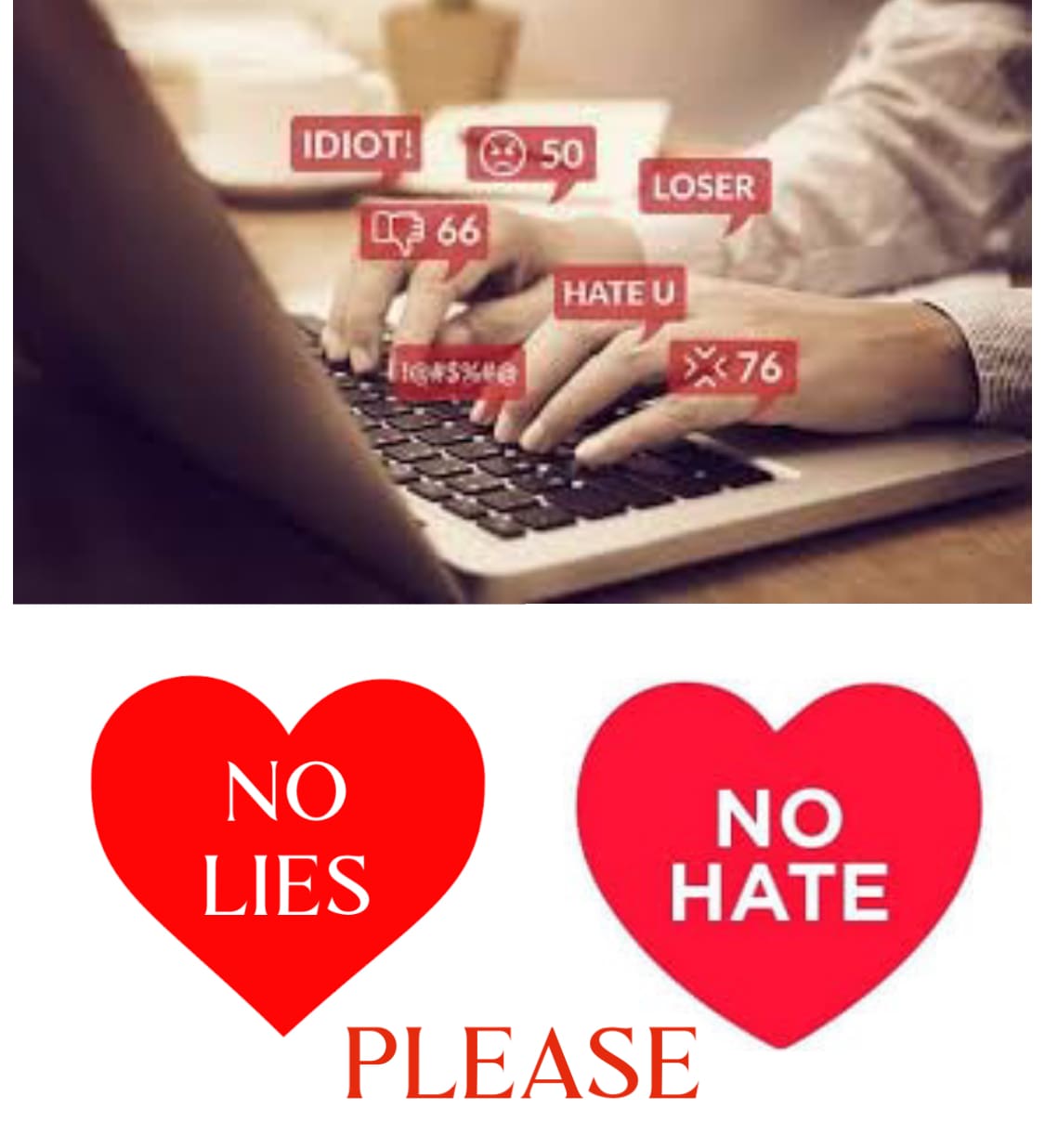
If, like me, you receive regular hate and lies about you online, don’t stress. Just remember that those people responsible are mostly sad and lonely and living lives that the rest of us would avoid like a bout of botulism. We are the lucky ones. These people are so in awe of us that they obsess about us and create their own dark fantasy world in which they construct a pretence to make themselves feel better.
However, it can at first be quite stressful and I would not want others, especially those who are vulnerable, to suffer in silence. All too often it becomes overwhelming and in some cases can lead people to contemplate or actually take their own lives. When this happens, they win, and this must not happen. Therefore, I have put together the following: Please share with others that you know or believe might be experiencing the sad little monsters among us.
Reclaiming Your Peace
Finding yourself at the centre of a digital hate campaign is a uniquely distressing experience. When lies are spread and met with a torrent of online hate, it can feel isolating, infuriating, and deeply personal. Your sense of safety is shattered, and the virtual world becomes a hostile place.
Please know this: you are not powerless. While you cannot control the actions of others, you can control your response. This toolkit is designed to provide you with practical, actionable steps to navigate this situation, protect your well-being and begin to reclaim your narrative.
Section 1: Immediate First Aid for Your Mental Health
Before you do anything else, your priority must be your own psychological safety.
- Step Away from the Screen. This is not avoidance; it is triage. Constant refreshing and reading of comments is like repeatedly pressing on a bruise. Log out of your accounts, delete the apps from your phone for a few hours, or use website blockers. Give your nervous system a chance to calm down.
- Breathe and Ground Yourself. When anxiety spikes, practice the 4-7-8 breathing technique: inhale for 4 seconds, hold for 7, exhale for 8. Focus on your immediate physical environment—name five things you can see, four you can touch, three you can hear, two you can smell, one you can taste. This anchors you in the present.
- Talk to a Real Person. Do not suffer in silence. Confide in a trusted friend, partner, or family member. Verbalising the experience can rob it of some of its power and provide crucial emotional validation. Sometimes, just hearing “That sounds awful, and I’m here for you” makes all the difference.
- Remember: This Is Not a Reflection of You. The hate and lies are a reflection of the people spreading them and the often-toxic nature of online mob mentality. Separate their narrative from your reality. You know your truth.
Section 2: Securing Your Digital Space
Once you are in a calmer headspace, take practical steps to stem the flow of abuse.
- Lock Down Your Privacy Settings.
- Social Media: Make your accounts private. Review your friends/followers lists and remove anyone you don’t know or trust.
- Other Platforms: Change settings to control who can tag you, comment on your posts, or send you direct messages. Often, you can restrict this to “Friends Only” or turn it off entirely for a period.
- Use Mute, Block, and Report Functions Liberally.
- Block: Use this for persistent trolls and individuals causing the most harm. You do not owe them an explanation or a platform.
- Mute: This allows you to remove someone’s content from your feed without them knowing. Useful for minimising drama while you decide on a longer-term strategy.
- Report: All major platforms have reporting functions for harassment, hate speech, and defamation. Report every violating post. Take screenshots first (see below) as evidence.
- Curate Your Environment.
- Create a “Close Friends” or designated list on social media for sharing more personal updates.
- Mute keywords and hashtags related to the lies being spread. This prevents the topic from constantly appearing in your feeds.
Section 3: Documenting and Assessing the Situation
Before you decide on a public response, you need a clear picture of what you’re facing.
- Gather Evidence Meticulously.
- Take screenshots of everything: the original lies, hateful comments, and the usernames of those involved. Ensure the date and URL are visible in the screenshot if possible.
- Save this evidence in a secure folder. You may need it for a formal report or legal action, or sharing it with those who will help you expose these people and their behaviours.
- Assess the Scale and Source.
- Is this a handful of trolls or a widespread campaign?
- What is the source? A single disgruntled individual, a coordinated group, or a misunderstanding that has snowballed?
- Understanding the scope will help you choose the most effective response. A targeted harassment campaign requires a different approach than a viral post attracting random nasty comments. Remember, hate speech is a crime. Report it to the police. It may take a while, but it is recorded. Stick to the evidence, though. Do not fabricate.
Section 4: Crafting Your Response (If You Choose To)
You have every right not to respond. “Don’t feed the trolls” remains valid advice. However, if the lies are persistent and damaging, a calculated response may be necessary.
- Option A: The Silent High Ground.
- Best for: Random trolls, low-stakes lies and situations where engagement will only add fuel to the fire.
- Action: Continue blocking, muting, and reporting. Focus your energy on your real life and supportive communities. Your silence can be a powerful statement of indifference.
- Option B: The Single, Calm Correction.
- Best for: Lies that are gaining traction within your professional network or community.
- Action: Draft one clear, unemotional statement. Stick to the facts. “It has been brought to my attention that false information is being circulated. For clarity, [state the simple truth]. I will not be engaging further on this matter.” Post it once, pin it if possible, and then disengage. Do not get drawn into a debate in the comments.
- Option C: The Direct Legal Approach.
- Best for: Severe, damaging defamation (lies that harm your reputation), threats of violence, or persistent stalking.
- Action: Consult a solicitor who specialises in defamation or internet law. They can advise you on sending a “cease and desist” letter or pursuing further legal action. This is a serious step, but for severe cases, it is a vital option.
Section 5: Knowing When to Escalate
Certain behaviours cross a line from unpleasantness into criminal activity. Contact the police if you experience:
- Credible threats of violence against you or your family.
- Stalking or doxxing (having your private address, phone number, or other personal details published online).
- Sustained harassment that is causing significant distress.
- Hate crimes based on race, religion, sexual orientation, disability, or transgender identity.
You can report this to the police online via your local force’s website or by calling 101 (the non-emergency number). In an immediate emergency, always call 999.
A Final Word: Rebuilding and Resilience
Healing from online abuse takes time. Be patient with yourself.
- Seek Professional Support: Consider speaking to a therapist or counsellor. Organisations like the Samaritans (116 123) offer confidential, 24/7 support.
- Reconnect with Offline Joy: Invest time in hobbies, nature, and the people who make you feel good about yourself. Reaffirm your identity outside of this digital attack.
- You Are Not Alone. This is a frighteningly common experience. By taking these structured steps, you are moving from a position of victimhood to one of active management. You are taking back control.
I must, though, add a disclaimer: This article provides general guidance and is not a substitute for legal advice. If your situation is serious, please consult a qualified legal professional.
And lastly, please remember that your biggest saving grace is that you are not them. Now that would be truly awful.