

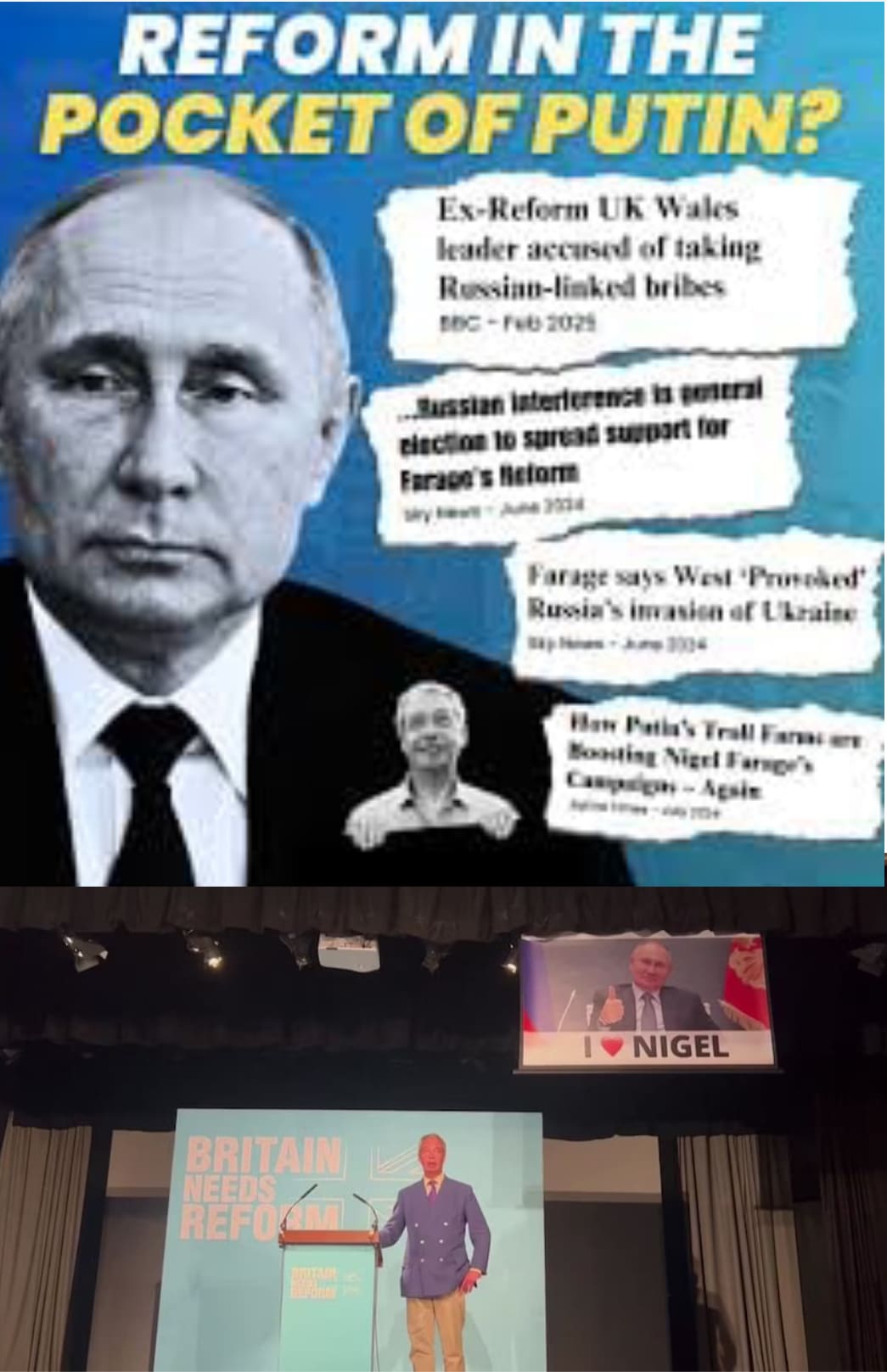
Nathan Gill, the former leader of Reform UK in Wales, is facing a “substantial jail sentence” after pleading guilty to eight counts of bribery related to promoting Russian interests in the European Parliament, a case that casts a shadow over the political party and its predecessors.
The 52-year-old from Anglesey, North Wales, admitted to receiving money in return for the “improper performance” of his public duties as an MEP for Wales on dates between 2018 and 2019.
The court heard that Gill was tasked by Ukrainian national Oleg Voloshyn to make statements in the European Parliament and media outlets that were “supportive of a particular narrative” to “benefit Russia regarding events in Ukraine.” Gill denied one separate charge of conspiracy to commit bribery.
This conviction places a spotlight on a wider pattern of allegations concerning Russian attempts to influence political movements in the UK and the West, particularly those sympathetic to a policy of disengagement from the European Union and international alliances.
A Pattern of Allegations: UKIP, The Brexit Party, and Reform UK
Gill’s political career mirrors the evolution of the UK’s main Eurosceptic parties. He was first elected as a UKIP MEP in 2014, later becoming an MEP for The Brexit Party (the forerunner to Reform UK), and finally leading Reform UK’s campaign in Wales.
These parties have repeatedly faced questions over their connections to Russia:
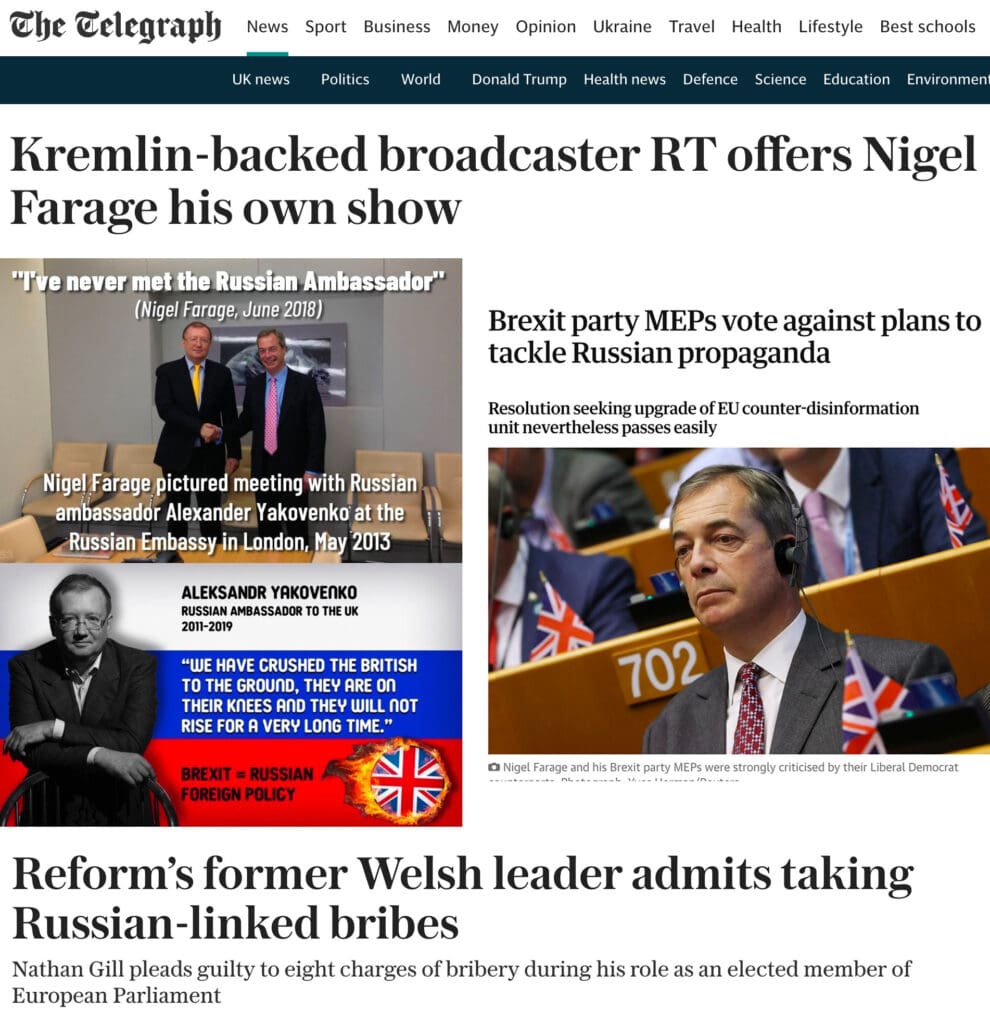
- UKIP and Nigel Farage: Former UKIP leader Nigel Farage has been a longstanding vocal admirer of Russian President Vladimir Putin, once calling him the “world leader I most admire.” He has also repeatedly questioned Western support for Ukraine. Most notably, the Intelligence and Security Committee (ISC) 2020 Russia Report highlighted that UKIP was considered a “useful tool” for the Russian government’s broader influence campaigns around the 2016 EU referendum. The report stated there were “widespread public allegations that Russia sought to influence the referendum” and that UKIP was a “particular focus of pro-Russian narratives.”
- The Brexit Party and Arron Banks: A central figure in these allegations is Arron Banks, the largest donor to the Leave.EU campaign and a key UKIP backer. The National Crime Agency (NCA) investigated the true source of his £8 million funding package, amid suspicions of Russian origin. While the NCA concluded there was no evidence of crimes being committed, it did not fully dispel the political controversy, with MPs noting “irregularities” in the way the funds were administered.
- Reform UK: The party, under leader Richard Tice, has maintained a strongly sceptical line on support for Ukraine, advocating for a negotiated peace that critics argue would favour Russian interests. While no allegations of illegality have been proven against the party itself, Gill’s conviction directly implicates a former senior figure.
Transatlantic Parallels: The Trump-Russia Allegations
This case also resonates with long-standing allegations across the Atlantic involving Donald Trump. The parallels centre on accusations that political actors benefited from, or were receptive to, Russian support.
The Mueller Report (2019) investigated Russian interference in the 2016 US presidential election. It detailed a “sweeping and systematic” campaign by the Russian government to help Donald Trump’s campaign. While the report did not establish a criminal conspiracy between the Trump campaign and Russia, it outlined multiple contacts between them and instances where Trump associates welcomed the help.
Key figures in Trump’s orbit, such as campaign chairman Paul Manafort, were convicted of financial crimes unrelated to the campaign but related to his previous work for pro-Russian interests in Ukraine. These allegations created a persistent narrative that Trump’s political movement, with its “America First” ideology and scepticism of NATO, aligned with key strategic goals of the Kremlin.
Sentencing Ahead
Back in the Old Bailey, Mrs Justice Cheema-Grubb granted Gill conditional bail, stating, “This is a serious matter. Nathan Gill has admitted having asked questions, made statements and carried out other activities… in support of pro-Russian parties in the Ukraine conflict.”
His sentencing hearing is scheduled for 21 November. While Gill’s guilt is now a matter of legal record, the case fuels ongoing political debate about the vulnerability of Western democracies to foreign influence and the specific links between populist, nationalist parties and the Kremlin’s strategic objectives.







