The Rise of Road Safety Challenges for Cyclists: How to Prevent Accidents and Plan for Recovery
Cycling is hugely appealing for commuters and families alike in the UK.
The rise of indoor turbo trainers and gravel bikes, designed to be ridden off-road, points to a wider sense of insecurity. Cars pose an immense threat to cyclists, with potentially catastrophic outcomes from a single collision. In every context, cycling is safer away from the road.
Why is cycling becoming more popular in the UK?
New data from Transport for London reveals that since 2024, cycling journeys have increased by 12.7% across the capital. At 43% since 2019, the five-year growth is even more considerable. Despite smaller upticks in other areas, things are changing for those who use two wheels.
Behind the facts, it’s clear that people are starting to look for greener travel. Electric cars aren’t always affordable for city commuters, especially those who need to pass through ULEZ.
Going by bike eliminates the need to pay for fuel and parking tickets. Cyclists can usually take the train for part of their journey too, which simplifies longer city commutes. And, away from commuting, exploring on two wheels gives families and friends the opportunity to connect with nature in their local area.
Common road safety risks for cyclists
The roads are inherently risky for all vulnerable road users, but cyclists often suffer the most for things beyond their control. These include:
– Limited visibility: Poor weather conditions, including thick fog or driving rain, make it incredibly difficult for cyclists to get a clear view of the way ahead. This can affect reaction times from passing drivers too.
– Poor road infrastructure: Britain’s cycle lanes are few and far between, unlike those in many European countries. Cyclists often need to navigate busy roundabouts and multi-lane carriageways alongside vehicles, not in a separate, protected lane.
– Distracted drivers: Driver errors cost lives. Whether momentarily checking their mobile phone or simply checking the radio, a split-second lapse of concentration may be fatal. Even with the highest quality bike lights ,cyclists can be missed.
How can cyclists and drivers share the roads safely?
Safe road sharing calls for mutual respect. It’s inevitable that drivers need to overtake cyclists, but this manoeuvre should be carried out safely. Drivers should try to give cyclists at least 1.5m of space while they overtake at slower speeds. Above 30mph, the need for space is even greater.
Meanwhile, cyclists should keep themselves as physically safe and prepared as possible. This responsibility includes:
– Wearing a high-quality, well-fitting helmet
– Fitting bright front and rear lights
– Wearing reflective clothing at night
– Following the Highway Code and stopping at red lights
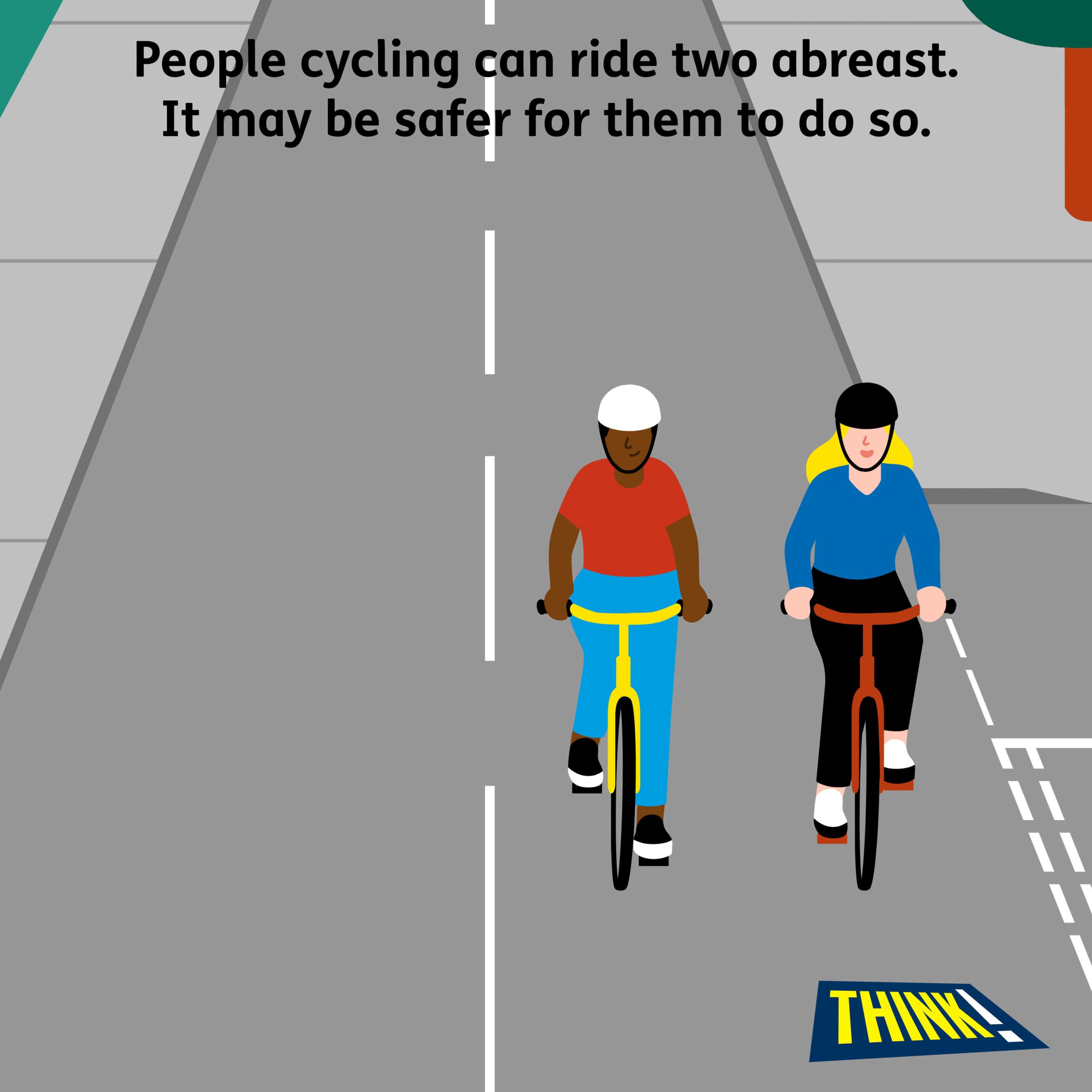
– Riding sensibly in a group, using single file where necessary
What happens after an accident?
In the immediate aftermath of an accident, cyclists must seek safety immediately. If the driver of the car involved can help, they must stop and stay with you. The incident should ideally be reported to the police within 24 hours, and you should take each other’s details for potential insurance claims.
If the cyclist is seriously injured, they may need to consult specialist road traffic accident solicitors. Legal support can be a lifeline in complex cases like this, especially when the cyclist has no solid evidence that it wasn’t their fault. To prevent this risk, some cyclists choose to ride with a portable camera.
The road to recovery
Unfortunately, it’s not usually as simple as just getting back on the bike.
Recovery involves putting rest first and having injuries treated in hospital where necessary. Keep an eye out for fractures or any signs of concussion, which can have a delayed onset.
Imminent steps include cleaning up any cuts and grazes, using compression or ice pads to soothe your muscles after an impact. If you’ve suffered any physical or emotional trauma, professional therapies may be worthwhile.
Above all, a strong support network is the most essential part of any recovery. Once you’re feeling better, you can get equipped for safer cycling in the future.