Working from home is a normal part of everyday life for millions of Brits across the UK, making home offices essential in many households. It’s easy to copy corporate design trends to try and mirror the office in your home, but your space should support focus and well-being while feeling in sync with your decor and taste.
Check out our ideas for establishing a productive workspace at home, whether it’s in the spare bedroom or a corner of the living room.
Choosing the Right Space for a Productive Home Office
The most productive home offices start with the right location. Ideally, this means a space with good natural light, manageable noise levels and enough privacy to concentrate. A spare bedroom remains the gold standard, but that isn’t realistic for every household.
If you’re working in a shared area (such as a living room or kitchen), position your desk near a window to use daylight, and keep your screen perpendicular to it to avoid glare. Noise matters just as much as light, so choosing a corner away from televisions or street-facing windows can significantly reduce distractions. For multi-purpose rooms, zoning is key: a defined desk area helps your brain switch into “work mode” more easily, even if the space has other uses outside working hours.
Furniture & Ergonomics That Support Productivity
Comfort is non-negotiable when you’re spending long hours at a desk. A desk chair that provides support for your lower back while letting your feet rest flat on the floor is a worthwhile investment. Your desk height should enable your elbows to sit at roughly a 90-degree angle, with wrists straight when typing.
Screen positioning is equally important: the top of your monitor should sit at/just below eye level to prevent neck strain, especially during video calls. If space allows, keeping frequently used items within arm’s reach reduces unnecessary movement and mental interruptions. A well-considered layout helps work flow naturally, rather than forcing you to adjust or improvise constantly.
Lighting, Organisation & Design for Better Focus
Lighting plays a bigger role in productivity than many people realise. Natural daylight boosts energy and concentration, but you should supplement it with adjustable task lighting for darker mornings and evenings. Warm lighting is better suited to early mornings and late afternoons, while cooler tones help maintain alertness during peak working hours.
Visual clutter competes for attention, so closed storage, drawer organisers, and cable management can all help maintain mental clarity. It’s easier to stay focused and finish the day without feeling overwhelmed when everything has a place. Neutral colours with subtle texture tend to support concentration better than bold patterns, and adding a plant or two can improve mood without becoming distracting.
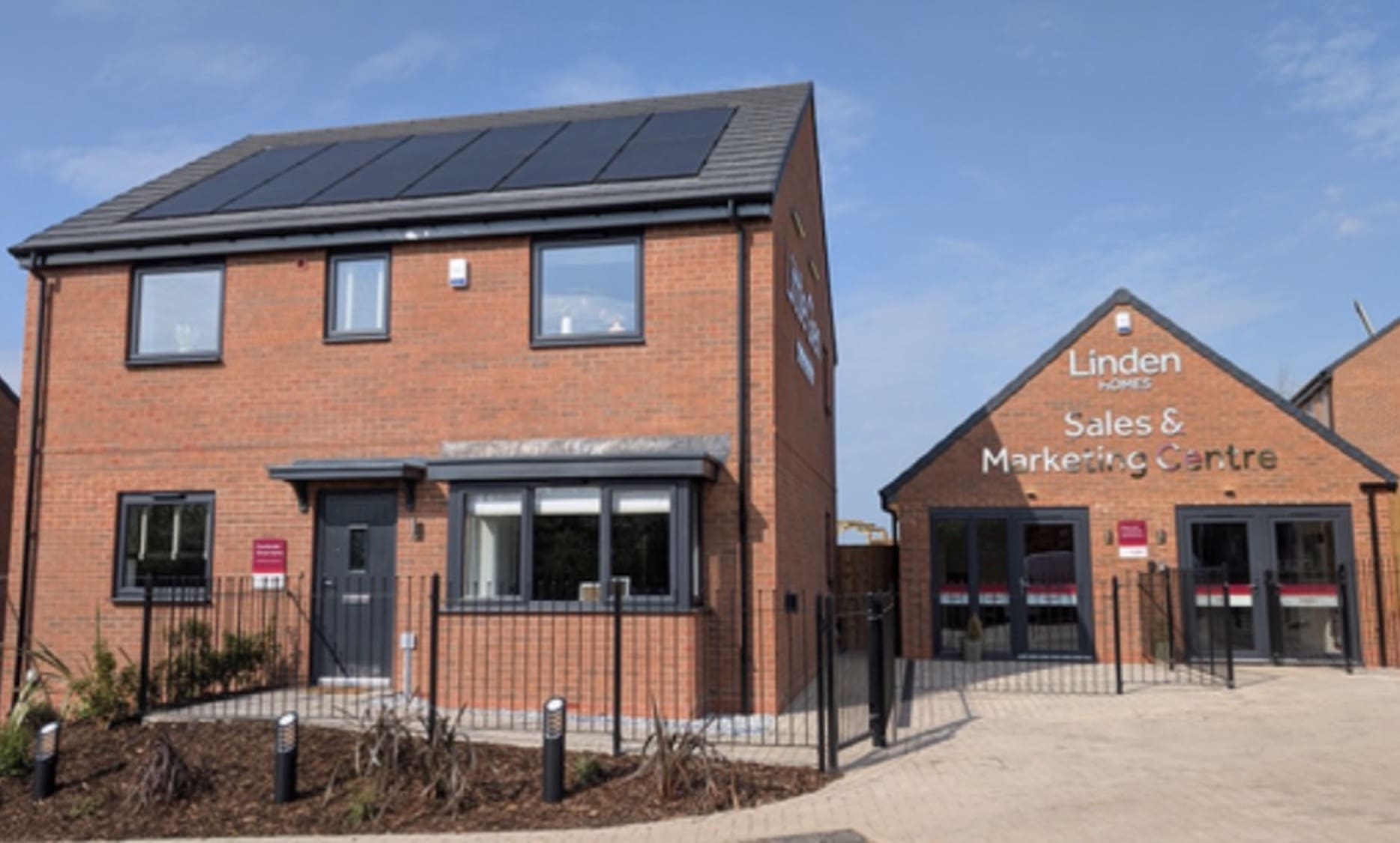
As flexible working continues to shape how homes are designed, many new homes feature dedicated workspaces or adaptable rooms that support modern routines. Developments like Linden Homes’ Little Glen in Leicester reflect how new homes increasingly accommodate home offices without compromising on comfort or living space.