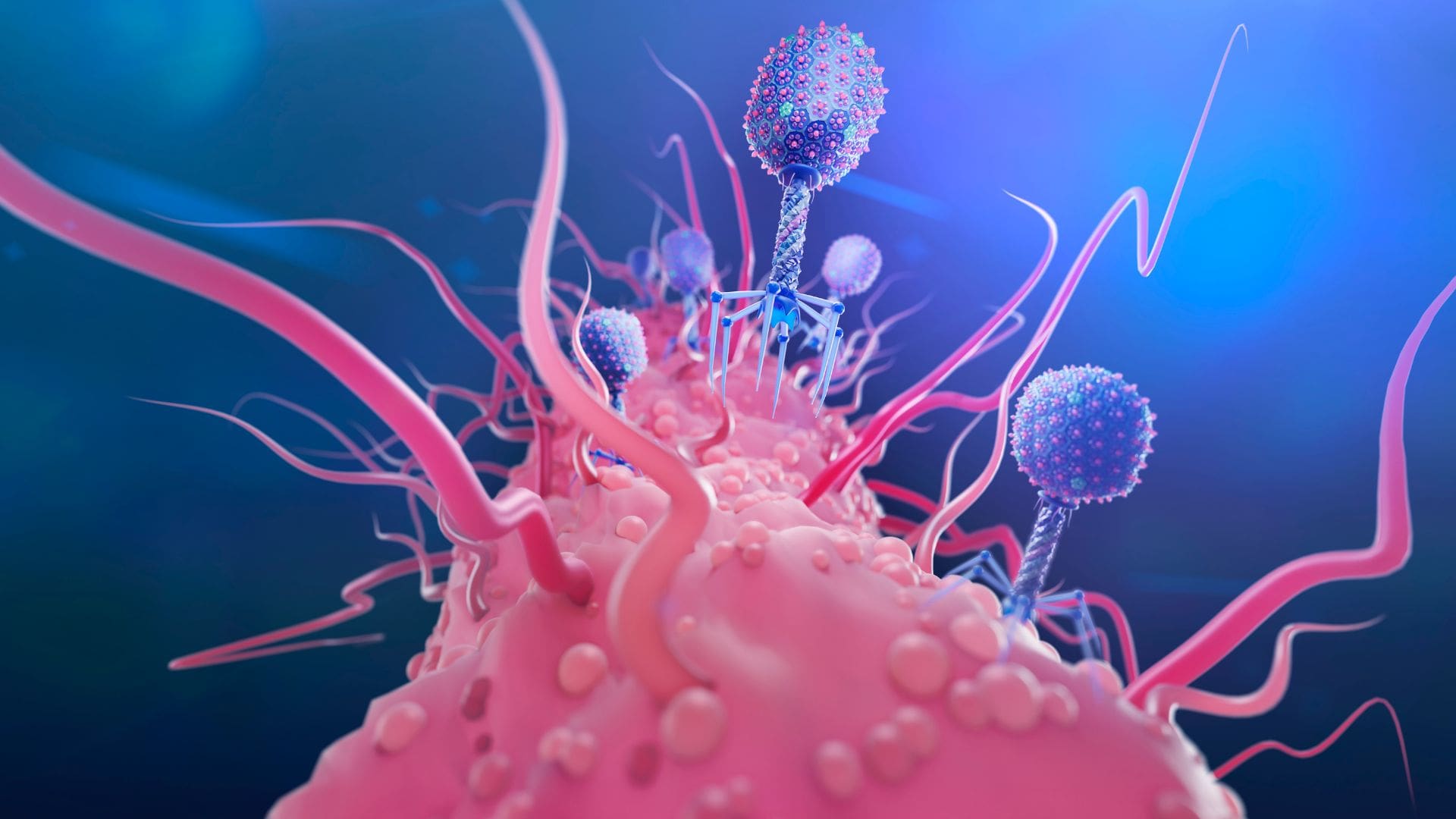
Antibiotics are one of the greatest medical breakthroughs in human history, yet their power is being steadily eroded. Across the world, bacteria are evolving faster than the medicines designed to kill them, giving rise to so-called “superbugs” that can survive even the strongest treatments. Once-routine infections are becoming harder, more expensive and sometimes impossible to cure, threatening to drag modern healthcare back to a pre-antibiotic era. Understanding what superbugs are, how they spread and why they matter is no longer optional, it is essential.
Superbugs are bacteria that have become resistant to antibiotics
They survive medicines that once killed them, making infections much harder to treat.
Antibiotic resistance is driven largely by misuse and overuse
Taking antibiotics when they are not needed, not finishing a prescribed course, and routine use in farming all accelerate resistance.
Superbugs already kill millions worldwide
Antibiotic-resistant infections are estimated to cause over a million deaths each year globally, with many more deaths indirectly linked.
Common infections are becoming dangerous again
Urinary tract infections, pneumonia, sepsis and post-surgery infections are increasingly hard to treat due to resistance.
Hospitals are major breeding grounds
High antibiotic use and vulnerable patients mean resistant bacteria can spread quickly if infection control fails.
MRSA is only one of many superbugs
Others include drug-resistant tuberculosis, carbapenem-resistant Enterobacteriaceae (CRE), and resistant strains of E. coli and gonorrhoea.
New antibiotics are not keeping pace
Developing antibiotics is slow, expensive and commercially unattractive, leading to a shrinking pipeline of new drugs.
Routine medical procedures depend on antibiotics
Surgery, cancer treatment, organ transplants and even childbirth become far riskier without effective antibiotics.
Superbugs do not respect borders
Global travel, trade and food supply chains allow resistant bacteria to spread rapidly between countries.
Antibiotic resistance is considered a global health emergency
The World Health Organization lists it as one of the top threats to human health, food security and development.
Yet more myths busted and facts learned.