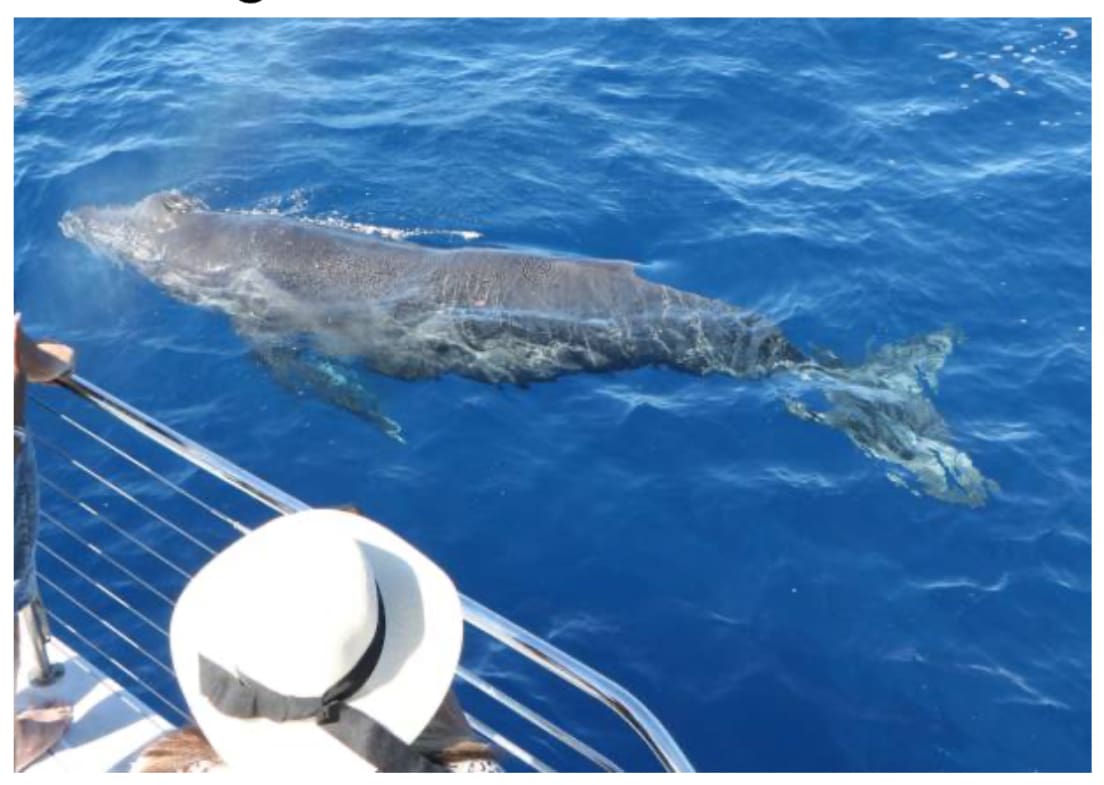
Opting for a whale watching tour is one of the most breathtaking ways to experience the ocean. Seeing a humpback whale rise from the blue water is something you never forget. But to enjoy it fully, choosing the best location is very important.
Oʻahu is a stunning Hawaiian island known for its golden beaches, lush mountains, and friendly coastal towns. Every winter, these warm waters welcome migrating humpback whales from Alaska.
To make the most of this natural wonder, bring the right things that help you make your trip more comfortable so you can focus on the magic of the moment. Many travelers choose a whale watching tour company in Oʻahu that offers safe, guided trips with local expertise and comfort.
What Should You Wear on the Boat?
The weather in Oʻahu can change quickly out at sea. One moment it’s sunny, and the next you might feel cool ocean spray. Therefore, dressing smart keeps you ready for anything.
• Light layers – Start with a T-shirt, add a long-sleeve shirt, and keep a light jacket handy.
• Quick-dry bottoms – Avoid heavy fabrics like denim. Choose shorts or pants made of lightweight materials.
• Non-slip shoes—Decks can get wet. Shoes with grip keep you steady.
Comfort is key. You’ll want to focus on spotting whales, not shivering or worrying about your feet slipping.
Protect Yourself from the Sun
Even if it’s cloudy, the tropical sun in Hawaii is strong. Spending a few hours on the water means you’ll need to protect your skin.
• Reef-safe sunscreen—Choose an eco-friendly sunscreenthat won’t harm marine life.
• Hat and sunglasses—A wide-brimmed hat and polarized sunglasses reduce glare from the ocean.
• UV clothing—Long-sleeved swim shirts can add an extra layer of sun protection.
A little preparation keeps your skin happy and helps preserve Hawaii’s delicate ecosystem.
Essentials: Should You Pack
Packing a few smart items makes your whale watching experience smoother and more enjoyable.
1. Binoculars—Whales can appear close or far. Binoculars let you see every detail.
2. Camera or phone with zoom—You’ll want to capture the moment when a whale breaches or flips its tail.
3. Water and light snacks—Staying hydrated and comfortable keeps your energy up during the trip.
4. Waterproof bag—Protect valuables like your phone and wallet from splashes.
5. Motion sickness aids—If you’re unsure how you handle waves, carry ginger candies or motion bands.
6. Power bank—Keep your camera and phone charged for those perfect shots.
With these on hand, you’ll be ready for whatever the ocean brings your way.
What Can You Expect During the Trip?
A typical whale watching Oahu tour lasts about two to three hours. You’ll head out early in the morning or late afternoon when whales are most active. The crew will share insights about whale behavior, migration, and ocean safety.
• Keep your eyes open; sometimes you’ll see mothers with calves or hear the deep sound of a whale song echoing underwater.
• Whales are wild animals, so patience pays off. Every sighting feels special, and even the anticipation adds to the thrill.
Tips for a Great Experience
• Arrive early to check in and get a good spot on the boat.
• Listen to the guides. They know how to read whale movements and keep everyone safe.
• Be respectful. Keep a safe distance and avoid loud noises that can disturb the whales.
• Enjoy the moment. Sometimes, putting your camera down helps you truly connect with the experience.
Conclusion
A whale-watching adventure in Oʻahu is more than just a sightseeing tour—it’s a chance to connect with nature on a deeper level. When you pack wisely and prepare well, you’ll be free to focus on the stunning views, gentle waves, and incredible wildlife around you.
From your first glimpse of a whale’s tail to the sparkle of sunlight on the Pacific, every detail will stay in your memory. So, grab your essentials, step aboard, and let Oʻahu show you one of nature’s greatest performances.
Key Takeaways
● Dress in layers and wear non-slip shoes for comfort and safety.
● Use reef-safe sunscreen, a hat, and UV clothing to protect from the sun.
● Bring binoculars, a camera, water, and snacks for a better experience.
● Keep your items dry in a waterproof bag and pack a power bank.
● Arrive early, listen to guides, and respect marine life throughout the trip.
● Most importantly, stay present and enjoy the magic of seeing whales in the wild.